Understanding Peak Season and Making the Most of It
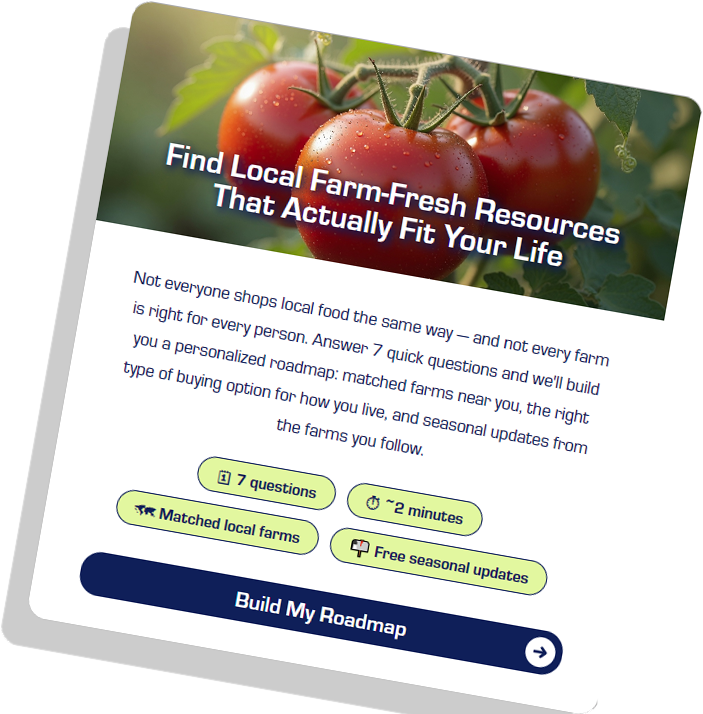
Peak season represents the brief window when a crop reaches its absolute prime—the moment of ideal ripeness, maximum flavor intensity, and optimal nutritional value. This golden period differs dramatically from the broader "in season" designation many shoppers rely on. While a tomato might technically be harvested locally from July through October, its true peak typically spans just three to four weeks in late summer when heat accumulation, sugar development, and natural ripeness converge. Understanding this distinction transforms how we shop, cook, and eat.
What Peak Season Actually Means
Peak season marks the intersection of biological readiness and ideal growing conditions. The crop has developed its full complement of sugars, aromatics, vitamins, and minerals without stress from heat, drought, or premature harvest. The flavor profile becomes more complex, textures reach optimal firmness or tenderness, and color deepens to its most vibrant expression.
This window exists independently of harvest schedules or market availability. Commercial growers often begin picking weeks before peak to extend their selling season, capturing early-market premiums or meeting distribution timelines that favor durability over flavor. The earliest strawberries of spring frequently arrive pale and firm—bred for shipping, picked before full sweetness develops, and rushed to market while prices remain high. Peak strawberries appear several weeks later: crimson throughout, so fragrant you smell them from across the room, and so delicate they barely survive the trip home.
The biological drivers behind peak season include accumulated heat units, day length, moisture patterns, and the plant's natural reproductive cycle. Stone fruits require a specific number of warm days to convert starches into sugars. Leafy greens taste sweetest during moderate temperatures before bolting hormones flood the plant. Root vegetables achieve their best texture after light frost converts starches to sugars as a natural antifreeze response.
Why Peak Windows Are So Brief
Once a fruit or vegetable reaches its ideal state, it remains there for only days before declining. Overripe produce develops off-flavors, textures degrade, and shelf life plummets. This explains why peak-season produce often appears and vanishes from farmers markets within a month despite the crop remaining available for twice that long.
Weather volatility compresses peak windows further. An unexpected heat wave can push crops from underripe to overripe within days, while excessive rain during the critical ripening phase dilutes flavor and splits fruit skins. Farmers racing against these conditions must harvest quickly once crops hit their prime, flooding local markets briefly before the window closes.
Many growers stagger plantings or select varieties with different maturity dates specifically to avoid concentrating their entire harvest into a few overwhelming weeks. From a farm-economics perspective, this makes perfect sense. From a flavor perspective, it means the absolute best fruit arrives only during a narrow slice of the extended harvest period.
Heritage and heirloom varieties often display more pronounced peaks than commercial cultivars. Modern breeding emphasizes extended harvest windows, uniform ripening, and shipping tolerance—all traits that inherently compromise the intensity of peak flavor. A Cherokee Purple tomato might give you two spectacular weeks compared to a hybrid's six adequate ones.
How Peak-Season Produce Differs From Off-Season Alternatives
Peak-season strawberries can contain up to 30 percent more vitamin C than off-season berries. Leafy greens harvested at their prime show measurably higher antioxidant levels than those grown under artificial light or shipped long distances. These differences reflect the plant's complete physiological development under optimal conditions rather than forced maturation or premature harvest.
Flavor complexity represents perhaps the most dramatic distinction. A July tomato grown on local soil, ripened on the vine, and picked the morning you buy it delivers a balance of sugars and acids with volatile aromatic compounds that create depth and lingering finish. A January tomato—picked green in Mexico, gassed with ethylene to trigger color change, and trucked three thousand miles—may achieve redness but never develops the enzyme activity or sugar accumulation of genuine ripeness. The texture remains mealy, the flavor flat and slightly metallic.
Supermarket strawberries in November aren't technically rotten, but they've traveled from California or Chile, spent days in cold storage, and were selected primarily for their ability to survive that journey. Breeding programs optimizing for transport durability have systematically reduced flavor intensity. Research comparing commercial varieties with wild ancestors reveals that modern strawberries often taste less sweet because aromatic volatile compounds have been bred out.
When local crops flood markets at peak ripeness, prices typically drop to their annual low—precisely when the product tastes best. A flat of peak peaches might cost less than a single bag of mediocre off-season fruit while delivering exponentially more flavor.
Off-season alternatives include imported produce following peak season around the globe, greenhouse cultivation extending local growing windows, and preservation methods capturing peak flavor for later use. Southern Hemisphere imports can deliver decent stone fruit during northern winters but rarely match the intensity of local peak-season versions. Hothouse tomatoes approximate summer flavor more successfully than field-grown winter imports but still fall short of genuine outdoor ripening. Properly frozen produce often surpasses fresh off-season options because industrial flash-freezing occurs at peak ripeness, locking in nutrients and flavor unavailable from January "fresh" alternatives.
Planning Meals Around Peak Availability
Successful seasonal eating requires shifting from ingredient-first meal planning to availability-first thinking. Rather than deciding you want tomato soup in February and buying whatever pale approximations the supermarket offers, you reverse the sequence: visit sources of peak-season produce first, purchase what looks spectacular, then build meals around those ingredients.
This approach begins with understanding your region's actual peak windows, which differ substantially from generic seasonal calendars. National produce guides list tomatoes as "summer vegetables," but peak season in cool coastal Maine arrives six weeks later than hot inland valleys. Southern California avocados peak in spring while Florida's arrive in summer and fall. Effective seasonal eating means learning your specific microclimate's rhythm rather than relying on generalized month-by-month charts.
Farmers markets provide the most reliable peak-season intelligence because vendors harvest for flavor rather than shipping tolerance. When a farmer's stand suddenly overflows with a crop that appeared in small quantities the previous week, you've likely hit peak. Prices drop, quantities surge, and the farmer often encourages bulk purchases because they're racing to move volume. This moment triggers strategic buying for preservation.
Community Supported Agriculture programs align especially well with peak-season eating because weekly boxes reflect real-time harvest priorities. The week peak asparagus arrives, you might receive three pounds—far more than immediate consumption requires—which signals it's time to pickle, freeze, or blanch for later use. CSA cooking demands flexibility but develops exactly the skills seasonal eating requires.
Grocery store "seasonal" displays often lag true local peaks or emphasize produce that's merely available rather than optimal. Supermarkets source nationally and internationally, so their spring strawberry promotion might feature fruit from California, Mexico, and Florida simultaneously—none at their regional peak. However, store buyers do respond to local abundance. When regional farms deliver peak volume, supermarkets typically discount that produce to move it quickly, creating brief opportunities for informed shoppers.
Building a seasonal meal rotation means developing peak-period recipes that maximize each crop's moment. Peak tomato season calls for fresh preparations—raw salads, simple sauces, minimal cooking—that showcase the fruit's inherent flavor. The same tomatoes three months later, preserved at peak and canned, work better in long-cooked braises and stews where their concentrated form contributes body and depth.
When peak zucchini floods your garden or market, you'll eat zucchini daily for three weeks in various forms—raw in salads, grilled as a side, shredded into fritters, processed into relish, and frozen in portions for winter soups. This intensity feels excessive to shoppers accustomed to year-round variety in small amounts, but it reflects how food actually grows. Traditional cuisines developed specifically around this pattern, creating multiple preparations for the same ingredient to prevent menu fatigue during glut periods.
Practical Strategies for Peak-Season Shopping
Timing Your Market Visits
Timing your market visits matters more during peak season than any other period. Farmers markets on opening morning offer best selection of fragile peak crops like berries and leafy greens that won't survive the day's heat. Late afternoon brings discounts as farmers prefer selling out to loading unsold inventory back into trucks. Peak season amplifies both patterns because volume and perishability increase simultaneously.
Recognizing True Ripeness
Peak tomatoes should feel heavy for their size, smell intensely aromatic at the stem end, and yield slightly to gentle pressure. Underripe examples feel hard and smell faintly grassy. Overripe specimens show soft spots, split skins, or fermented aromas. The window between optimal ripeness and decline spans mere days during peak season, making purchase timing critical.
Bulk Buying with Purpose
Purchasing a twenty-pound box of peak strawberries costs a fraction of buying quarts individually, but only makes sense with a preservation plan. Can you actually freeze, jam, or dehydrate twenty pounds of berries within forty-eight hours before they deteriorate? The best bulk purchases include immediate consumption, simple preservation like freezing half, and more involved preservation like jamming the rest, spreading the work across methods.
Finding the Best Sources
Direct farm purchases during peak season often deliver the best combination of price, quality, and timing. Many farms offer "pick your own" operations during peak windows, lowering costs further while guaranteeing absolute freshness. Call ahead to confirm peak timing rather than arriving during early or late harvests. Farms also sell "seconds"—cosmetically imperfect peak produce perfect for cooking, canning, or freezing at substantial discounts.
Proper Storage Matters
Peak tomatoes never see refrigeration, which destroys flavor compounds and creates mealy texture. They sit on the counter, eaten within days at room temperature. Peak berries, conversely, require immediate refrigeration in single layers to prevent crushing and mold, but even then last only forty-eight hours at their prime.
Choosing Between Local and Imported
Peak-season local strawberries in June outperform imports by every measure. But in January, frozen berries picked and processed at peak the previous June deliver better flavor and nutrition than fresh imports picked underripe in Chile and shipped for a week. Choose local fresh during peak season, shift to preserved peak-season options when local fresh no longer exists, and limit fresh imports to items that transport well or peak elsewhere during your off-season.
Following Peak Season Geographically
Stone fruits peak in California's Central Valley in May, then shift north to Oregon and Washington in July. Apples hit peak in Washington in September, New England in October. Asparagus peaks in Mexico in February, California in March, and Michigan in May. Understanding these patterns helps you extend peak-season eating by selecting imports specifically timed to their actual peak rather than buying produce from regions whose peak season ended months ago.
Preservation as Peak-Season Extension
Freezing for Maximum Quality
Peak blueberries spread on trays and frozen solid before bagging maintain their structure, flavor, and anthocyanin content for eight months. Many vegetables reach their nutritional peak at harvest and decline steadily afterward, making immediate freezing superior to week-old "fresh" produce. Commercial frozen vegetables processed within hours of harvest frequently contain more vitamins than supermarket fresh options picked underripe and shipped across continents.
Most vegetables need blanching to halt enzyme activity that causes deterioration. Peak green beans blanched for two minutes, shocked in ice water, thoroughly dried, and frozen in portions retain excellent texture and color. Skipping the blanch step produces mushy, discolored results after a few months. Fruits generally freeze without blanching, though a light sugar or ascorbic acid treatment prevents browning in certain types.
Canning for Shelf Stability
Canning preserves peak-season abundance in shelf-stable form ideal for pantry storage. Peak tomatoes processed into sauce, salsa, or whole canned tomatoes preserve summer's flavor for winter cooking. Canning requires more equipment and technique than freezing but produces shelf-stable results and works especially well for produce you'll cook rather than eat raw.
Dehydrating to Concentrate Flavors
Dehydrating concentrates flavors while creating lightweight, compact storage. Peak strawberries dried into fruit leather, peak tomatoes transformed into tomato powder, or peak herbs preserved at their aromatic prime all capture essential character in forms that store for months without freezer space.
Fermentation and Pickling
Fermentation and pickling extend peak produce while adding complex flavors through bacterial transformation. Peak cucumbers become genuine dill pickles through lacto-fermentation, developing probiotic benefits unavailable from vinegar-pickled versions. Peak cabbage transforms into sauerkraut. Peak peppers become hot sauce.
Matching Method to Purpose
Match preservation method to intended use. Freeze peak berries you plan to bake into pies or blend into smoothies. Can peak tomatoes destined for winter pasta sauce. Dehydrate peak herbs you'll crumble into soups and stews. Ferment peak vegetables you'll serve as tangy condiments.
Making Seasonal Eating Practical Year-Round
Starting Your Transition
The transition to seasonal eating works best as a gradual shift rather than absolute conversion. Begin by identifying one peak-season crop each month to prioritize—June strawberries, August tomatoes, September squash—and build familiarity with recognizing, buying, and using peak produce before expanding further.
Creating a Weekly Shopping Pattern
A practical weekly pattern might include shopping first at sources of genuinely seasonal produce like farmers markets, CSAs, and farm stands, purchasing what looks spectacular regardless of your meal plan, then supplementing at supermarkets only for items unavailable seasonally or preserved versions of peak crops. This hierarchy prioritizes peak-season eating while acknowledging the reality that complete seasonal purity remains impractical for most people.
Adjusting Cooking Techniques
Peak-season vegetables often taste best with minimal intervention—grilled with olive oil and salt, roasted until caramelized, or served raw in salads where their inherent flavor carries the dish. Off-season cooking requires more technique and complementary ingredients to compensate for less intense produce.
Managing the Economics
Peak abundance drives prices down precisely when quality peaks. The financial challenge is front-loading spending during peak windows to process food for later use rather than spreading purchases evenly across the year. This requires planning and cash flow adjustment but typically reduces total food costs while improving quality. A flat of peak tomatoes purchased at summer's low price and canned provides better sauce at lower cost than buying canned tomatoes throughout the year.
Environmental Benefits
Peak-season local produce requires dramatically less energy and intervention to achieve quality than off-season alternatives. Greenhouse tomatoes grown under artificial light in winter consume significant fossil fuel energy. Imported produce flown from other hemispheres carries enormous carbon costs. Local peak-season crops grown in appropriate conditions with minimal intervention provide superior nutrition and flavor while reducing environmental impact.
What's Peak Right Now?
Identify what's at peak in your region this week and build meals around it. In spring, that might mean asparagus, peas, and early greens. Summer brings berries, stone fruits, tomatoes, peppers, and squash. Fall delivers apples, root vegetables, winter squash, and late greens. Winter's true fresh peaks are limited in cold climates, making it the ideal time to cook with preserved peak ingredients and plan for the coming growing season.
When you taste a peak-season peach—juice running down your arm, perfume filling your nose, flesh so sweet and complex it needs nothing added—you understand immediately why accepting seasons rather than fighting them produces both better food and deeper satisfaction. That understanding, repeated across crops and seasons, transforms shopping from a chore into an engaging practice of observation, timing, and gratitude for what each brief peak window offers.