Farm-Fresh Knowledge Base
Local farming terms, concepts, and practices explained
New to local farming?
This knowledge base explains the terms, practices, and concepts behind community supported agriculture, agritourism, farmers markets, and the broader local food movement. Each entry links to a full explanation with related FAQs and relevant blog articles.
Farm Types & Programs
The different ways small family farms connect directly with consumers.
 Farm Types & Programs
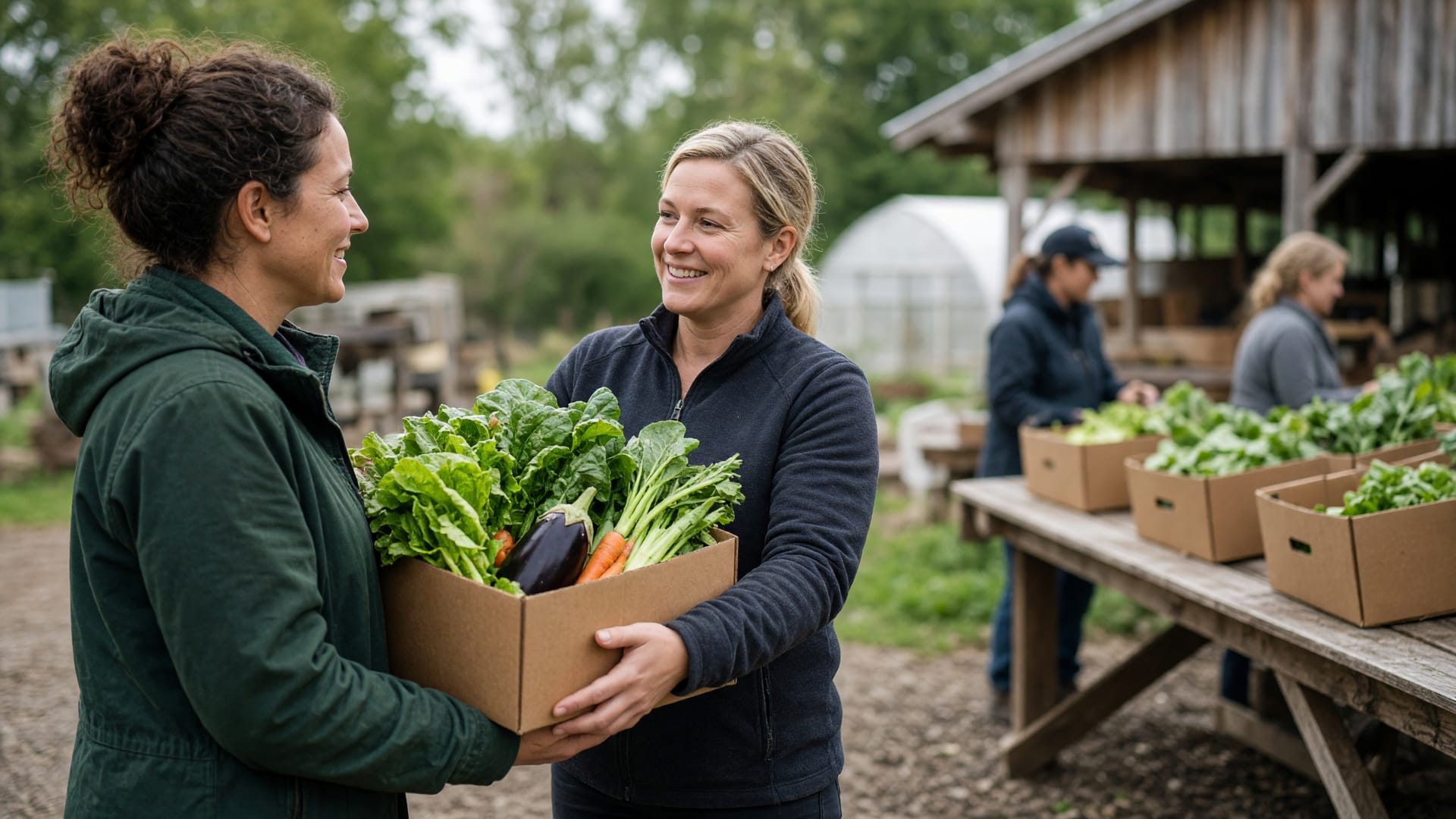
What Is a CSA? Community Supported Agriculture Explained
Community Supported Agriculture connects consumers directly with farms through prepaid seasonal subscriptions, delivering fresh weekly produce boxes while sharing both abundant harvests and agricultural risks.
 Farm Types & Programs
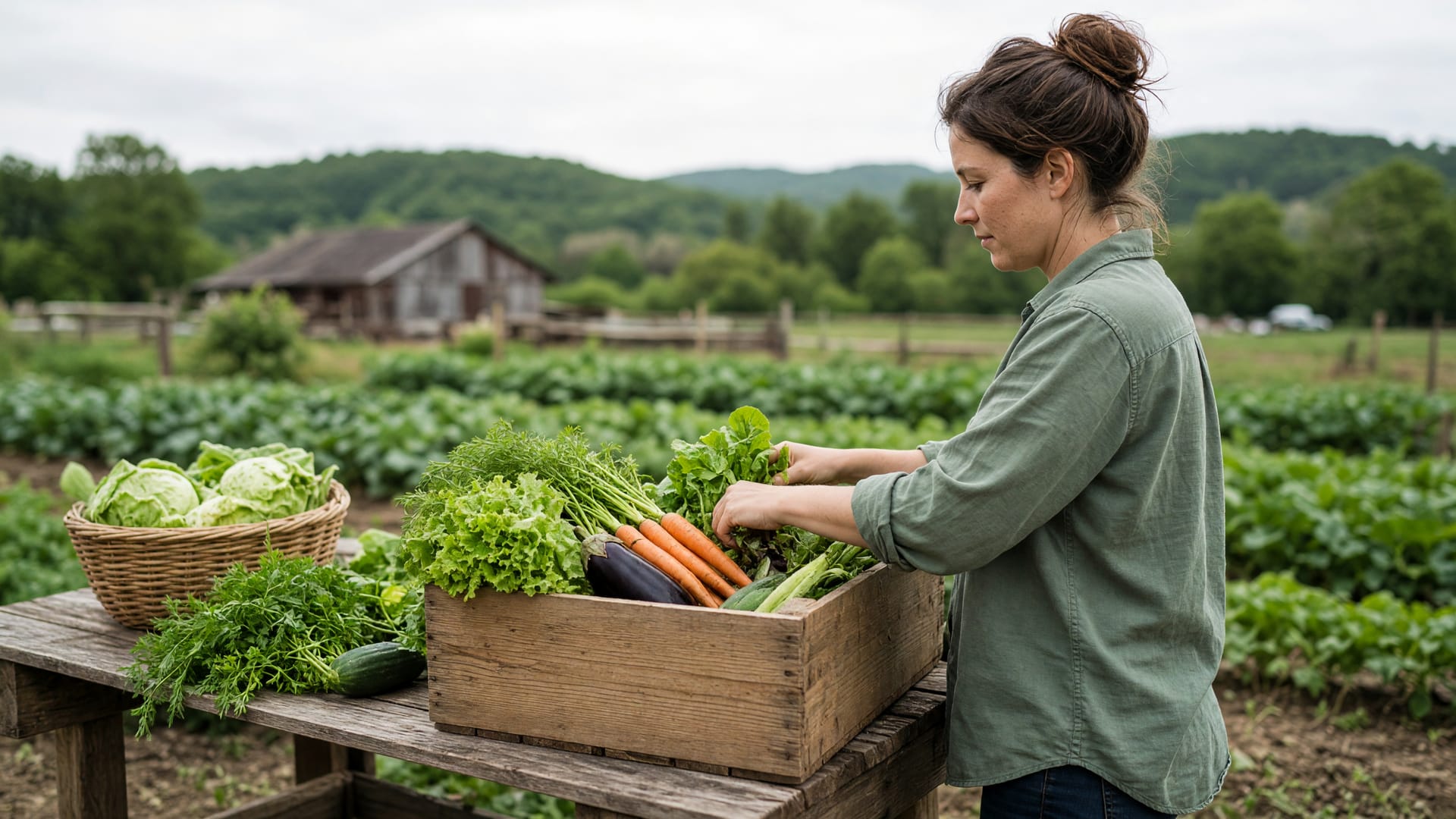
What Is a Farm Share? CSA Shares and Purchasing Arrangements Explained
Farm shares allow customers to purchase portions of seasonal farm production through CSA programs or subscription models, receiving regular deliveries of fresh produce, meat, eggs, or dairy directly from local farms.
 Farm Types & Programs
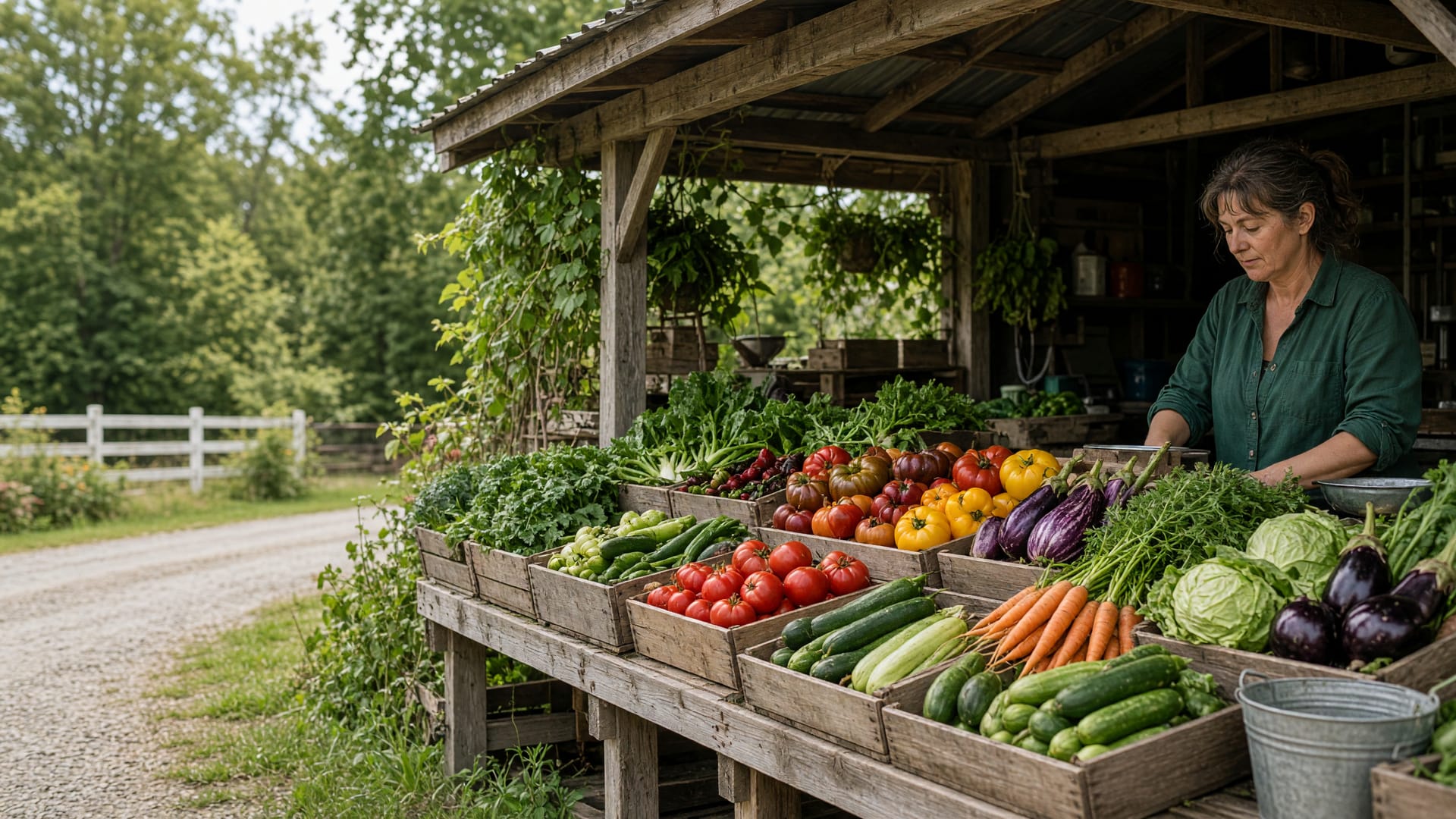
What Is a Farm Stand? Roadside Farm Sales Explained
Farm stands are direct-sales outlets where farmers sell fresh produce and products at or near their production sites, differing from farmers markets, CSA programs, and farm stores in location, operation, and customer experience.
 Farm Types & Programs
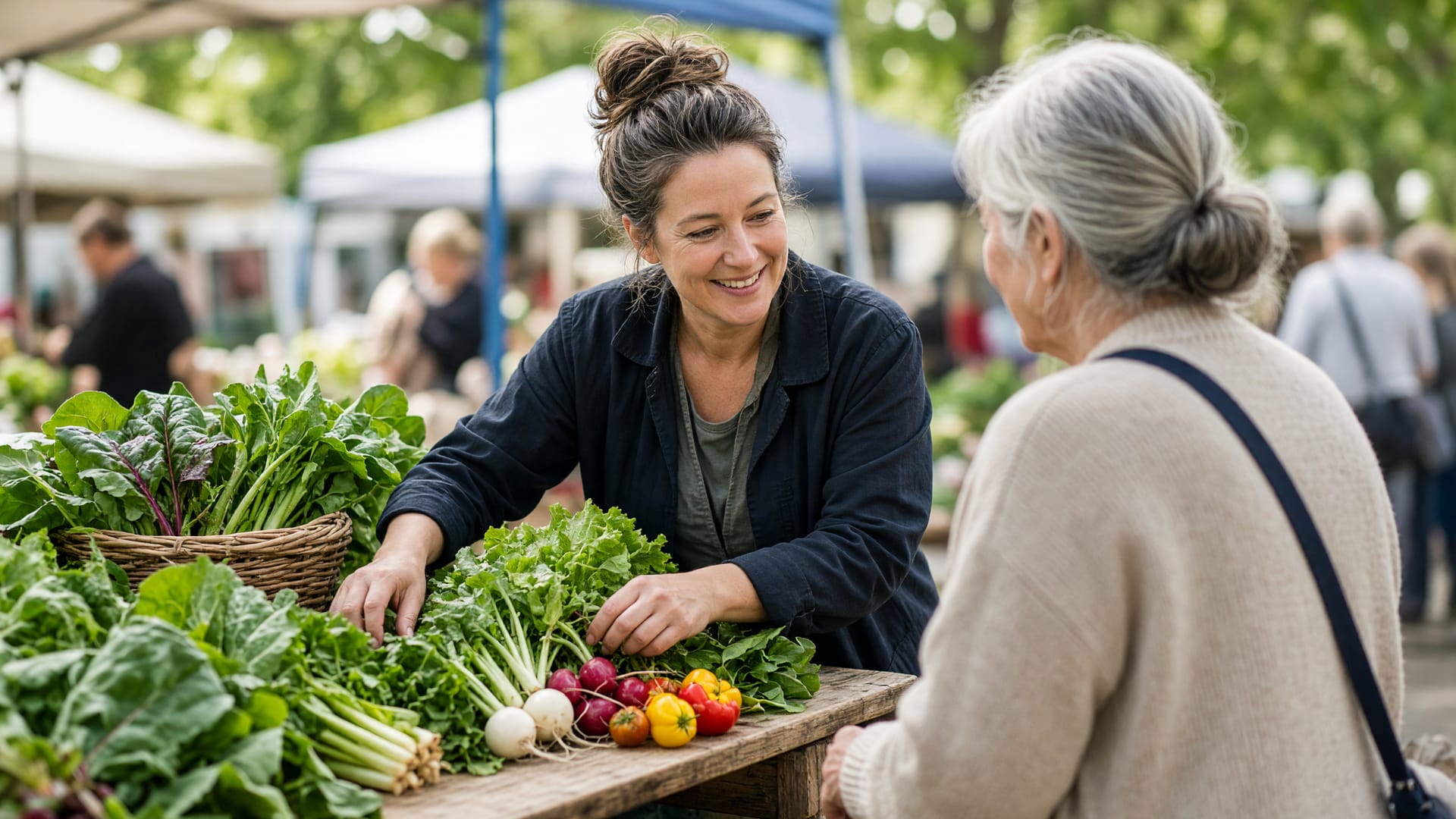
What Is a Farmers Market? How They Work and What to Expect
Farmers markets are public venues where agricultural producers sell food directly to consumers, eliminating middlemen while offering fresh products, producer education, and community gathering spaces through organized vendor systems.
 Farm Types & Programs
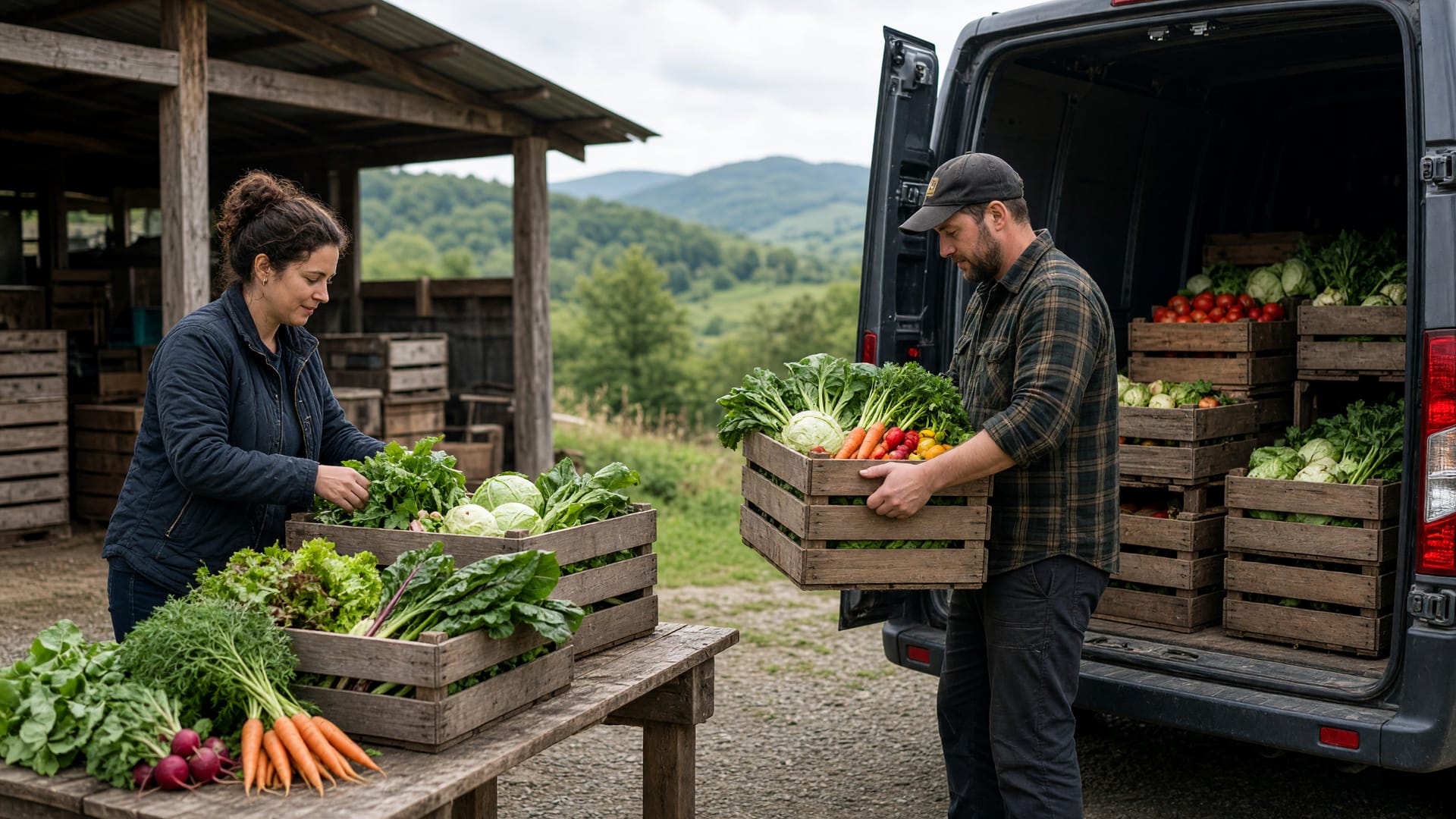
What Is a Food Hub? Local Farm Distribution Explained
Food hubs aggregate products from small farms and coordinate wholesale distribution to institutions, solving logistical challenges that prevent individual farms from accessing commercial markets at scale.
 Farm Types & Programs
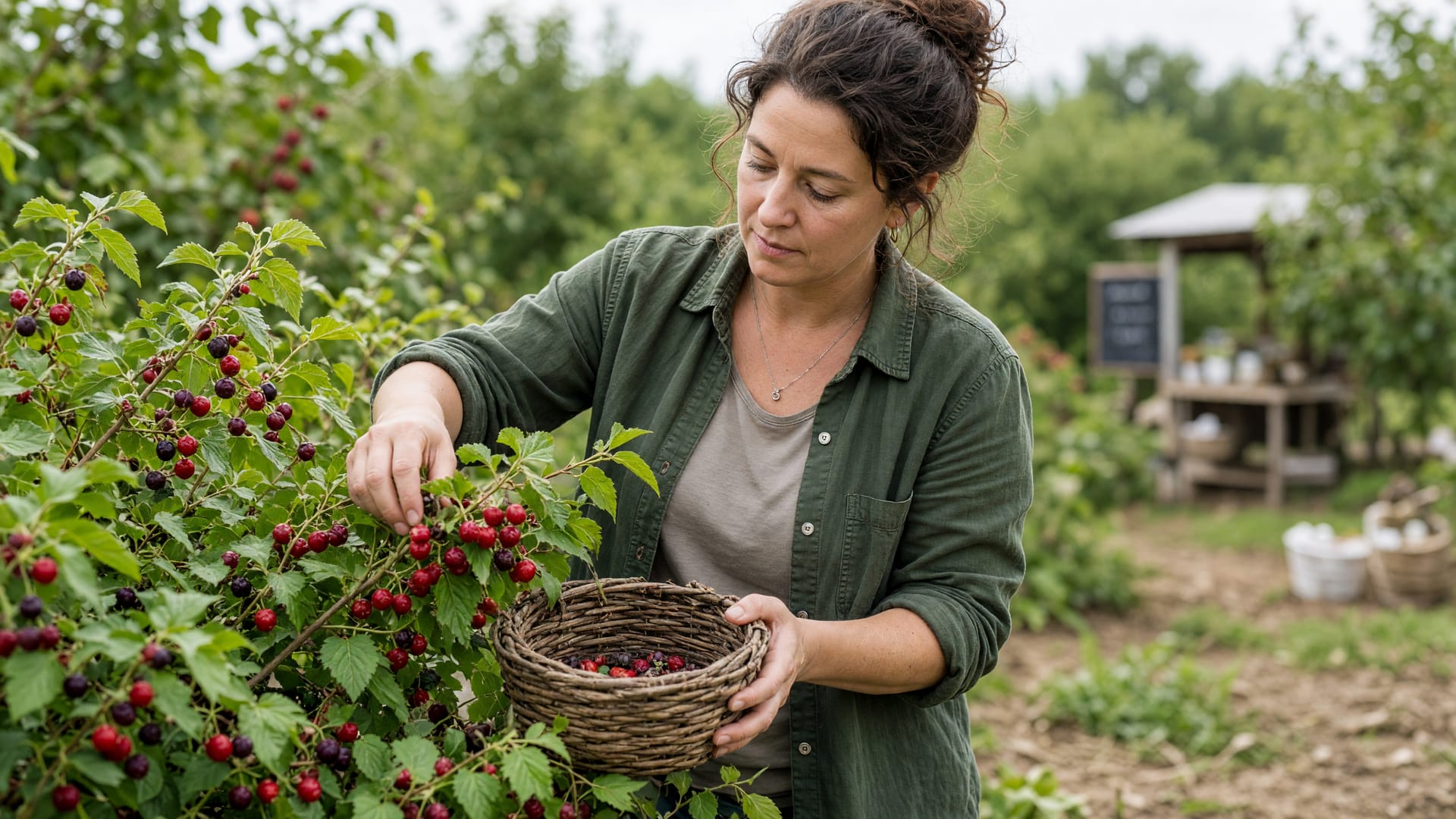
What Is a U-Pick Farm? How Pick-Your-Own Farms Work
U-pick farms let visitors harvest fresh produce directly from fields for lower prices than retail while farmers reduce labor costs and families enjoy seasonal outdoor experiences.
 Farm Types & Programs
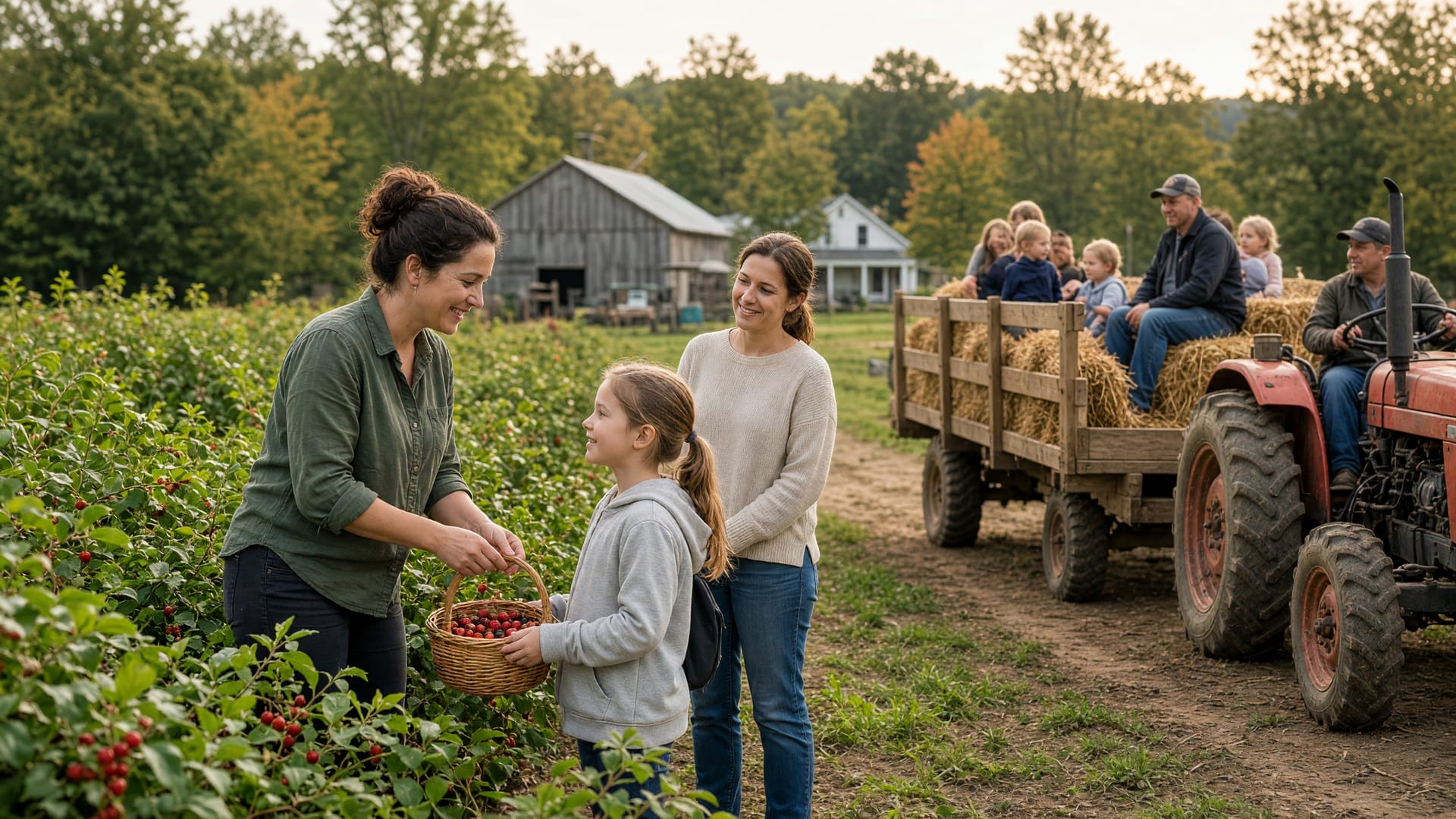
What Is Agritourism? Farm-Based Experiences Explained
Agritourism connects visitors with working farms through activities like u-pick harvests, guided tours, and farm stays, offering educational experiences while supporting farmers financially and strengthening local food communities.
 Farm Types & Programs
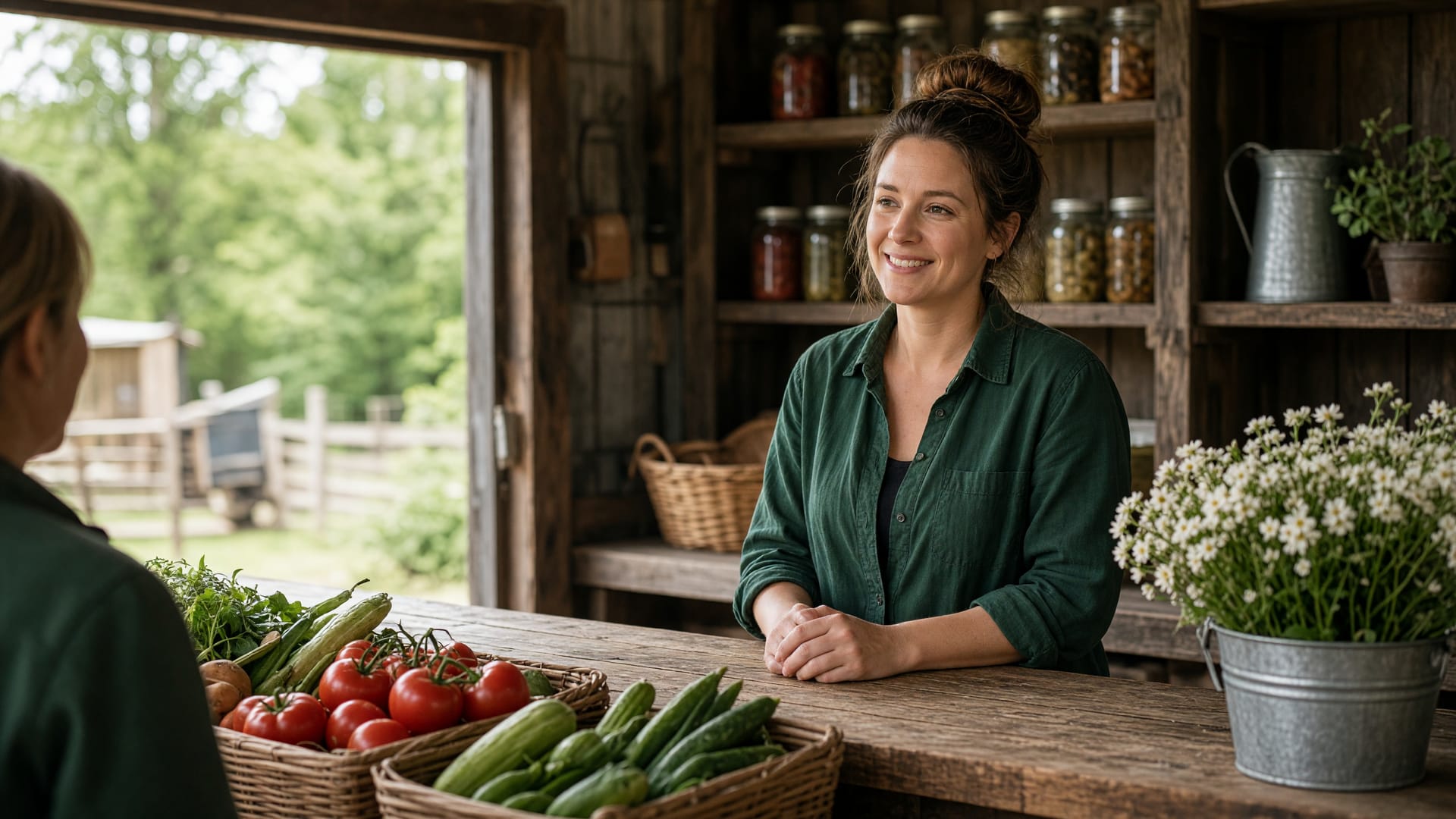
What Is an On-Farm Market? Buying Direct from the Farm
On-farm markets are retail venues on farm property where consumers buy agricultural products directly from producers, offering fresher products and stronger farmer-customer relationships than intermediary channels.
Farming Practices
The methods and approaches that define how small family farms grow food.
 Farming Practices
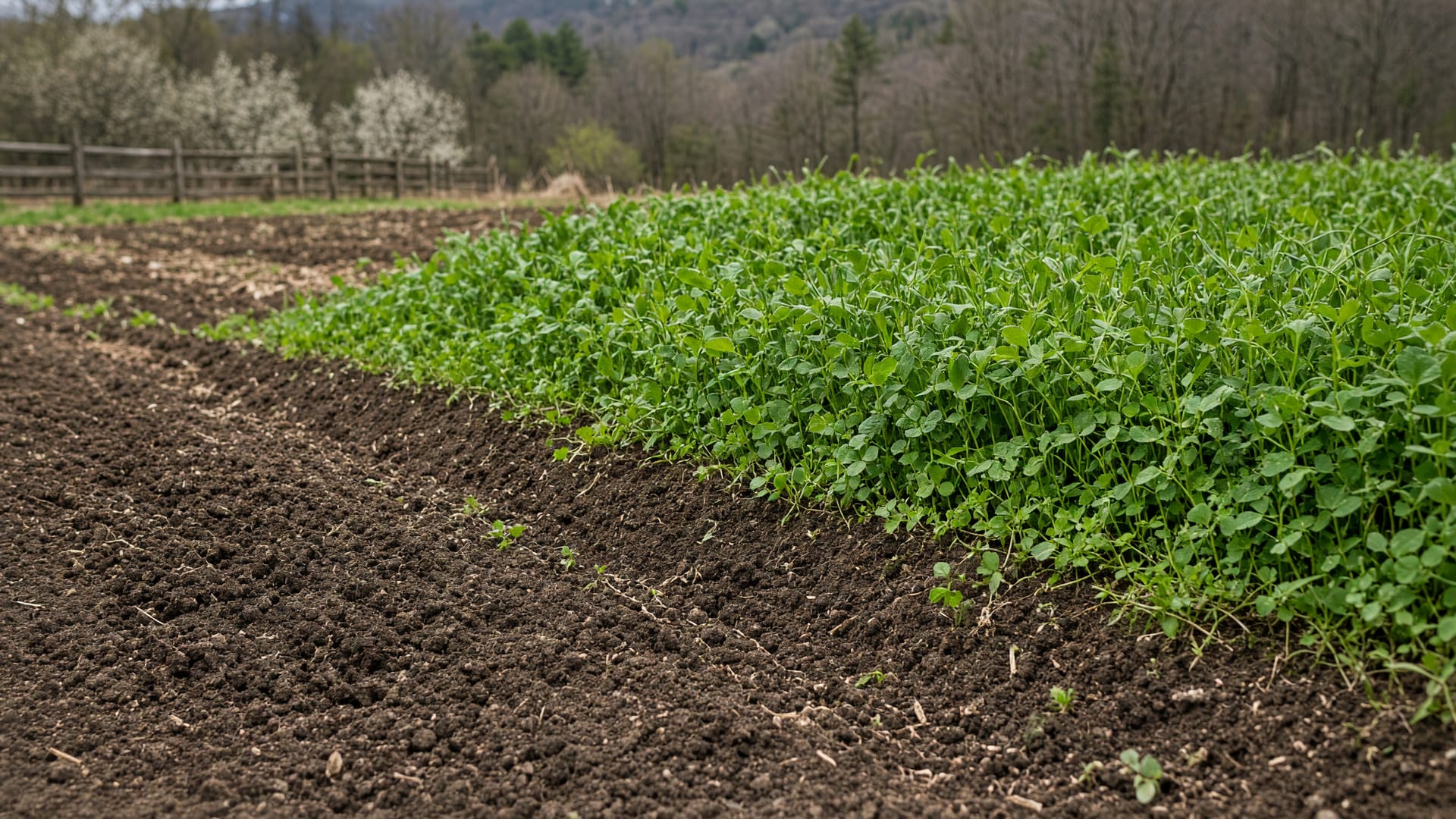
What Is Cover Cropping? Soil Protection and Enrichment Explained
Cover cropping involves growing plants primarily to benefit soil health rather than for harvest, providing erosion control, organic matter enrichment, weed suppression, and nutrient management between cash crop cycles.
 Farming Practices
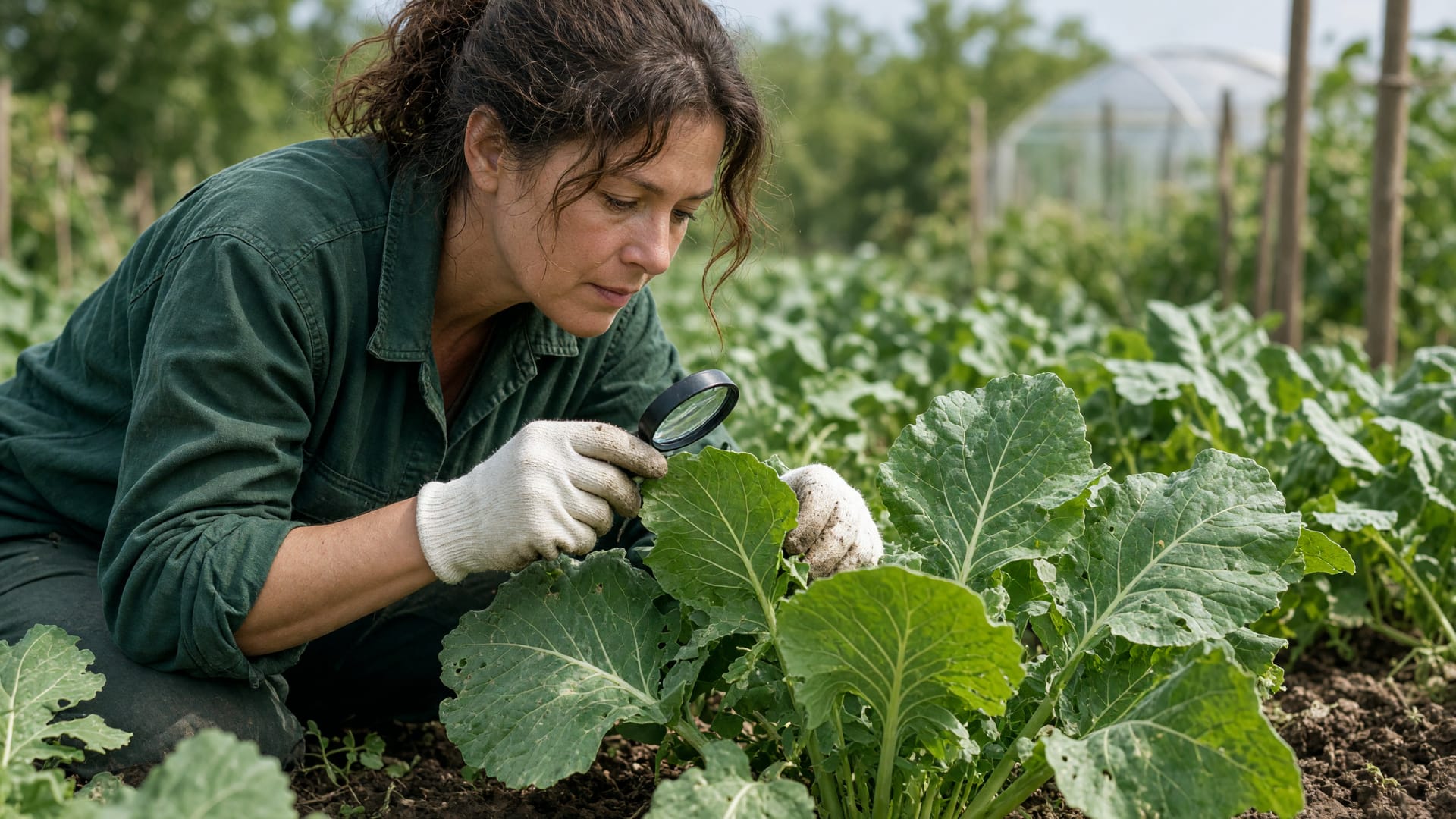
What Is Integrated Pest Management (IPM)? Science-Based Pest Control Explained
Integrated Pest Management is a science-based approach prioritizing prevention and monitoring over chemical pesticides, using cultural practices, biological controls, and mechanical methods to manage agricultural pests sustainably and economically.
 Farming Practices
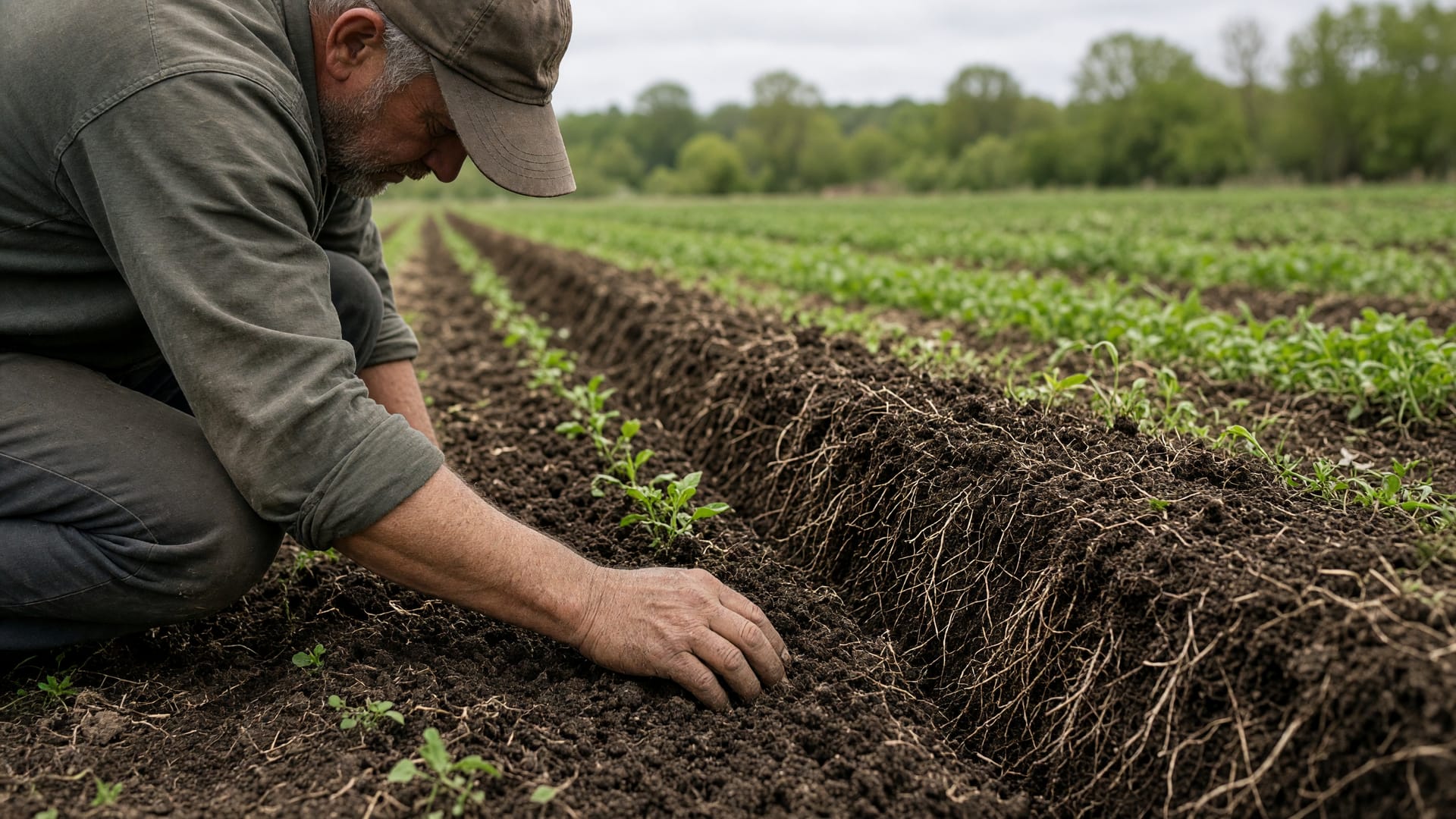
What Is No-Till Farming? Soil Health Benefits Explained
No-till farming plants crops directly into undisturbed soil without plowing, preserving soil structure, increasing organic matter, and rebuilding biological communities for improved long-term soil health.
 Farming Practices
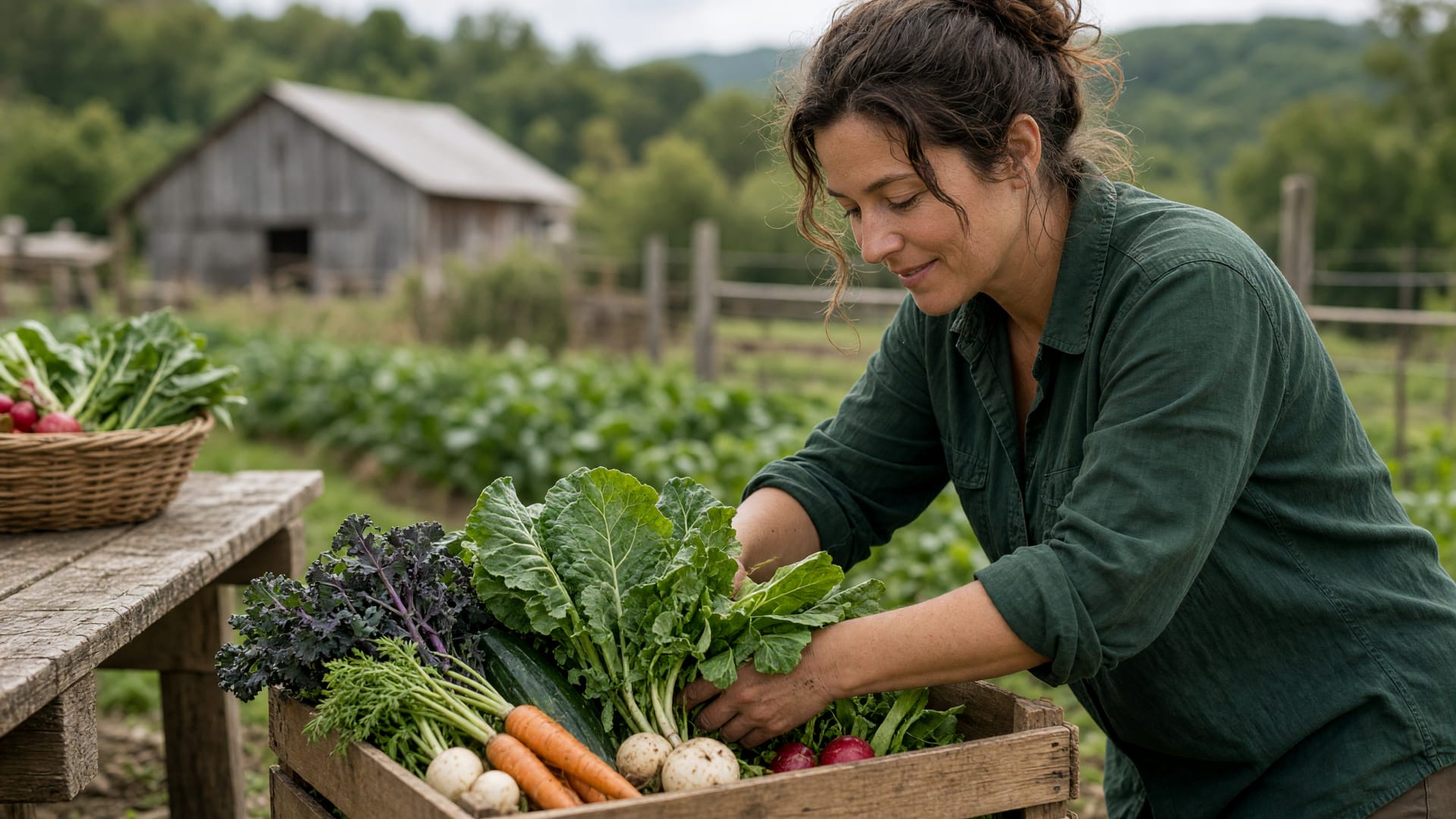
What Is Organic Farming? USDA Certification and Standards Explained
Organic farming follows USDA National Organic Program standards established in 2002, requiring three-year land transitions, soil-focused practices, approved substances, and annual third-party certification to earn the federal organic designation on food labels.
 Farming Practices
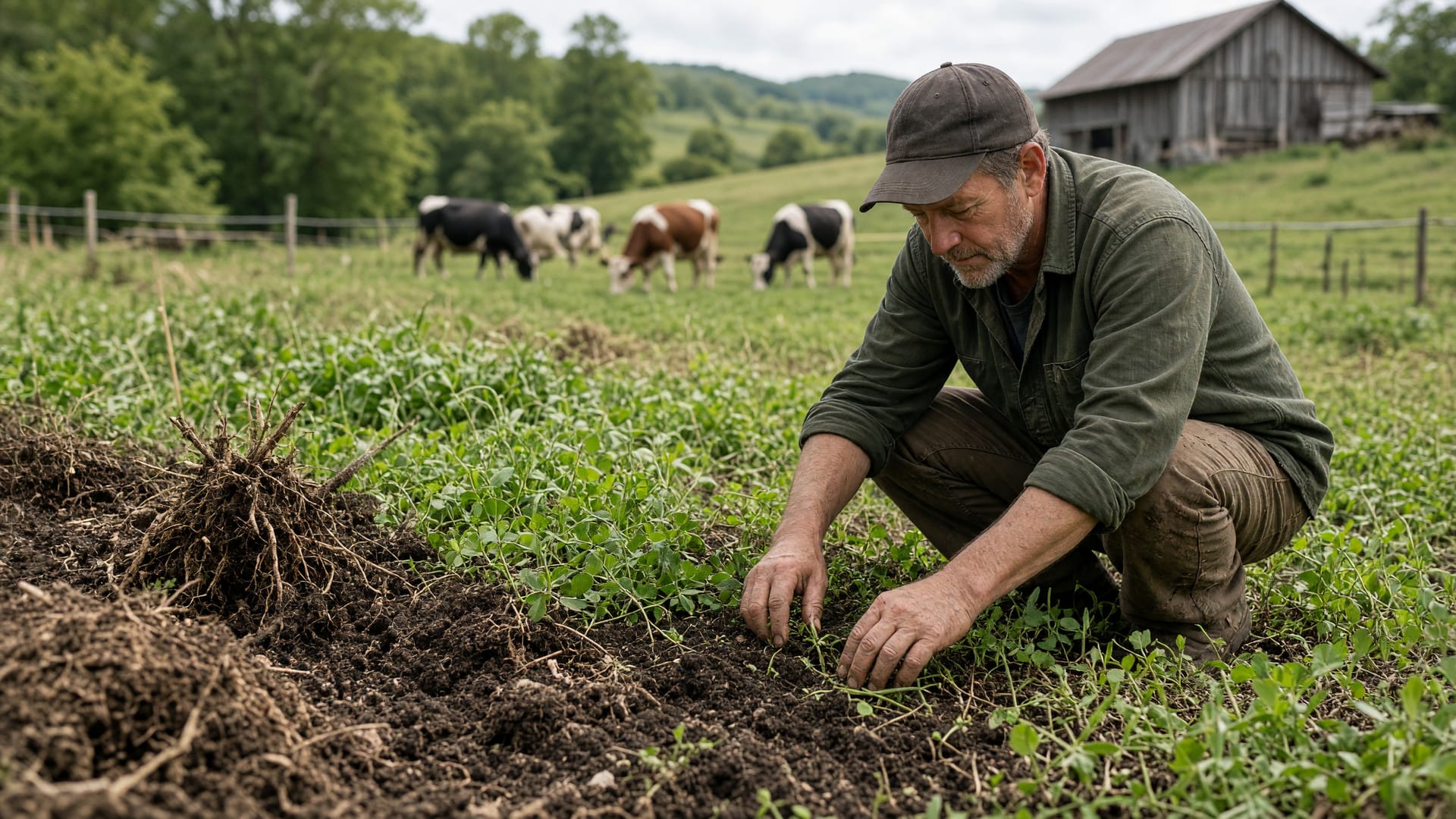
What Is Regenerative Farming? Soil Health and Ecosystem Restoration Explained
Regenerative farming restores degraded farmland by building soil health through minimal tillage, continuous living roots, crop diversity, and livestock integration, reversing conventional agriculture's depletion of organic matter and ecosystems.
 Farming Practices
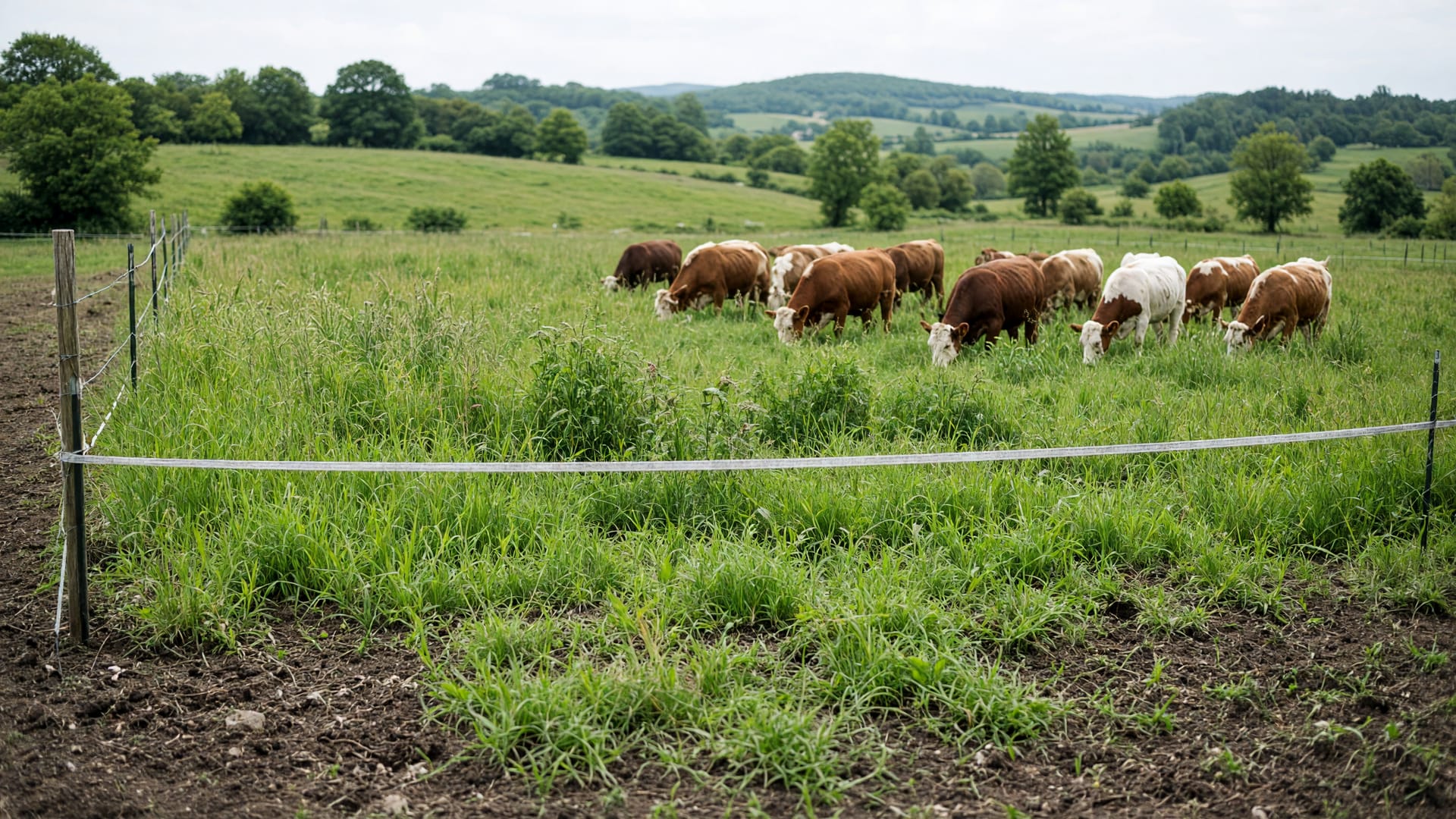
What Is Rotational Grazing? Pasture Management Explained
Rotational grazing divides pastures into paddocks where livestock graze briefly before moving, mimicking natural herd patterns to improve soil health, plant recovery, and farm profitability through managed disturbance-recovery cycles.
Animal Products & Welfare
Understanding the labels and practices behind farm-raised meats, eggs, and dairy.
 Animal Products & Welfare
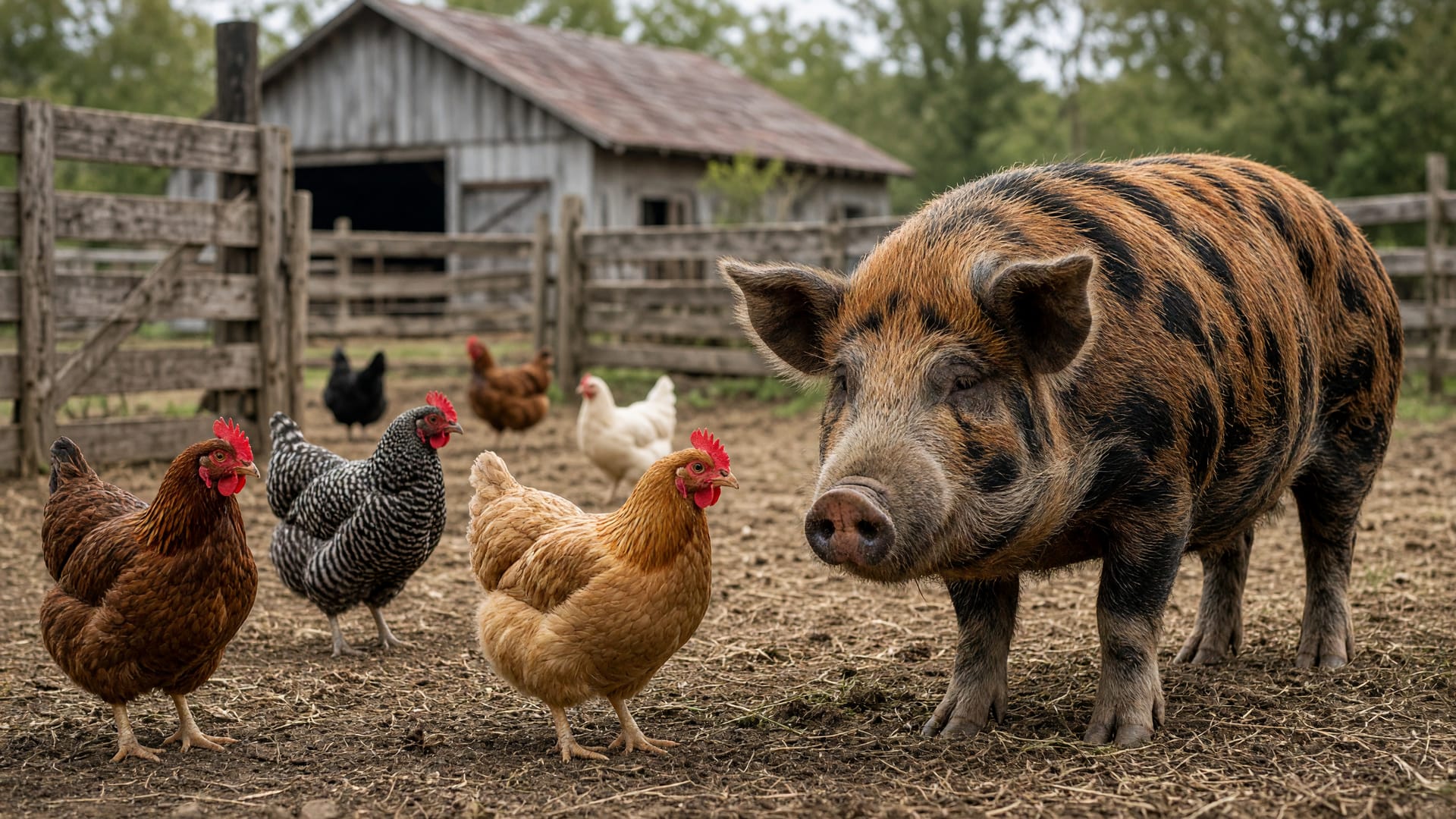
What Is a Heritage Breed? Traditional Livestock and Poultry Explained
Heritage breeds are traditional livestock varieties developed before industrial agriculture that reproduce naturally, adapt to regional climates, grow slowly, and retain natural behaviors lost in modern commercial animals.
 Animal Products & Welfare
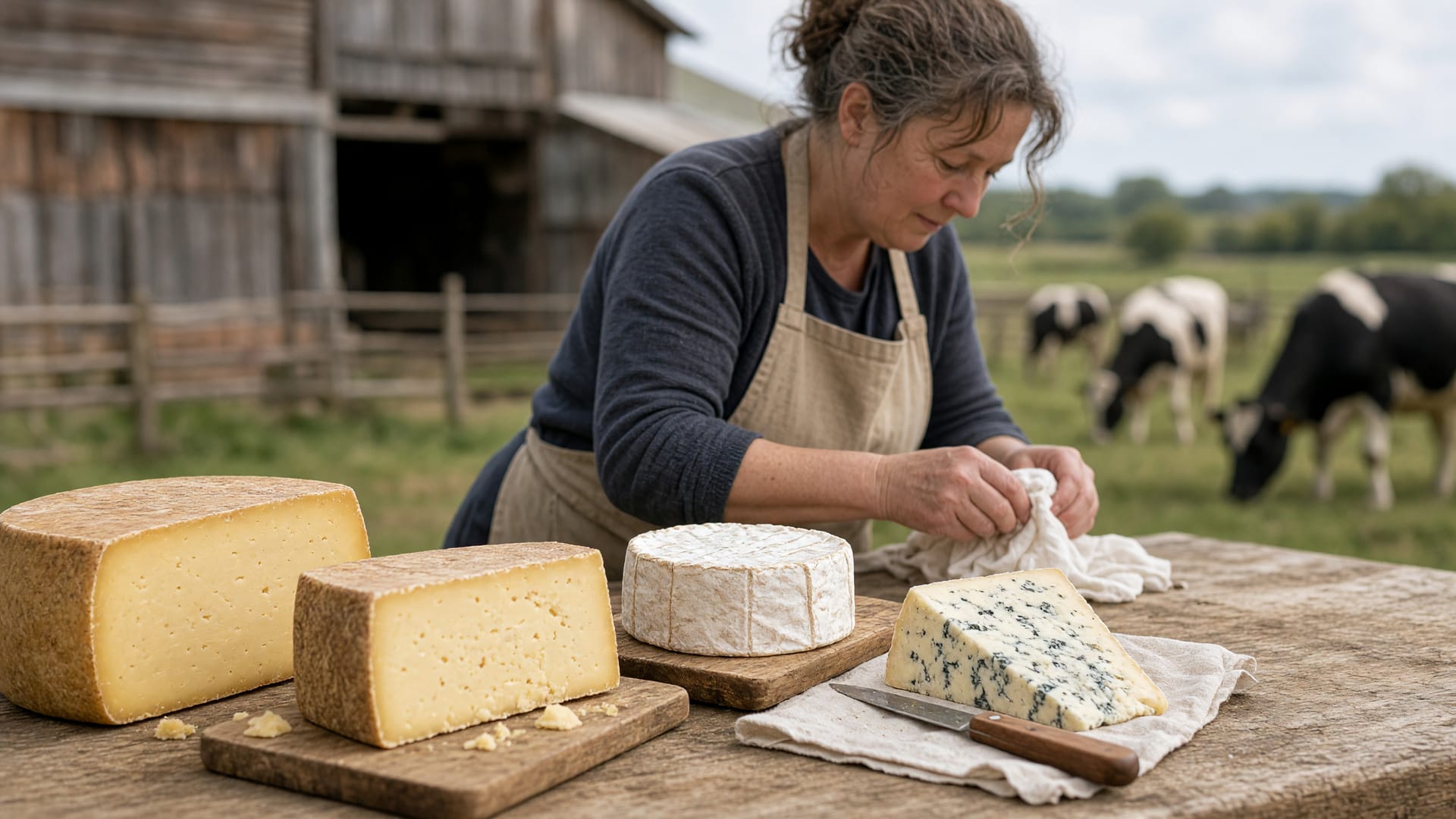
What Is Farmstead Cheese? Artisan Dairy Explained
Farmstead cheese is made on the same farm where milk-producing animals live, using only that farm's milk, creating unique flavors through direct control of production from pasture to wheel.
 Animal Products & Welfare
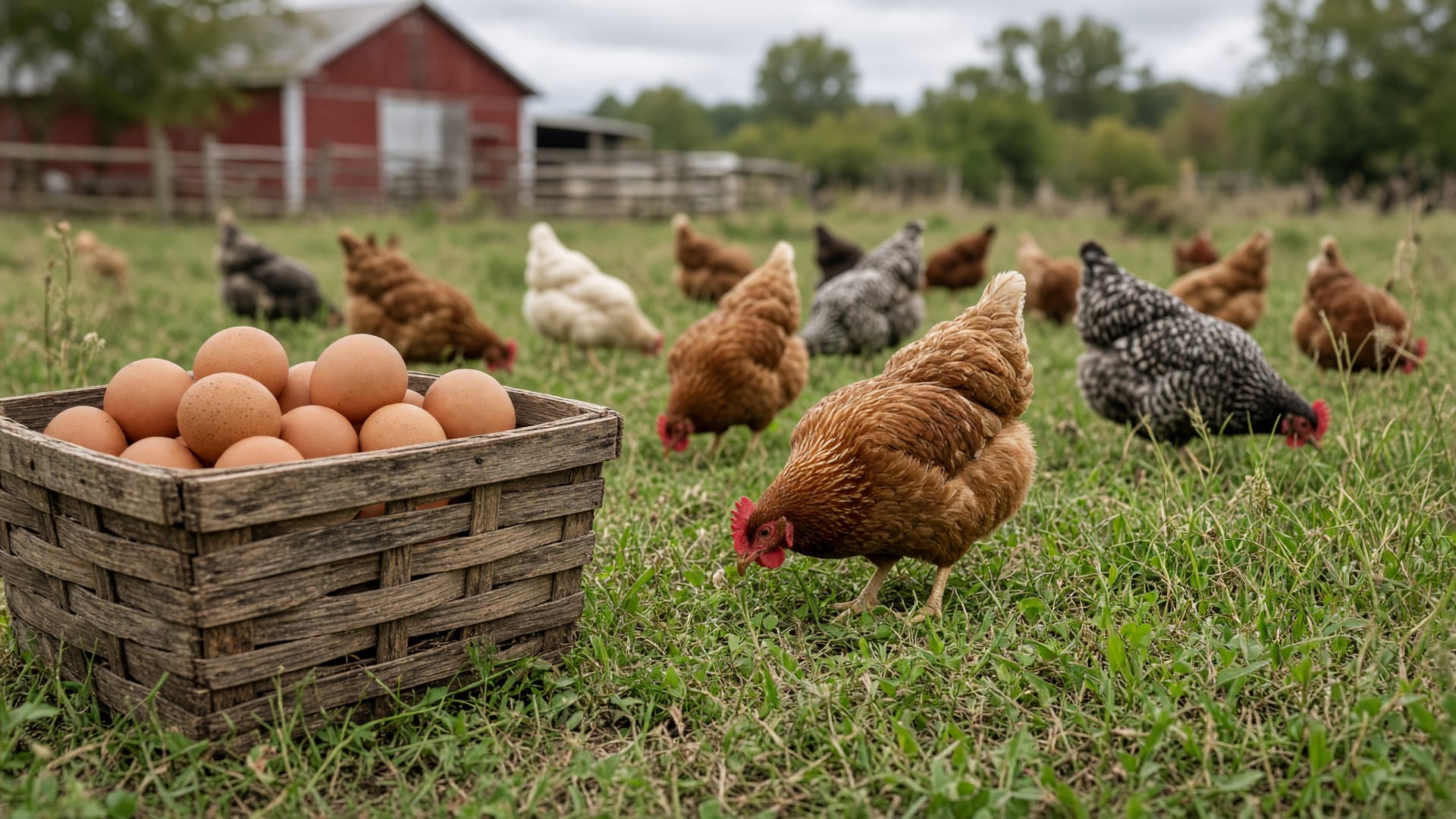
What Is Free-Range? Poultry and Egg Labels Explained
USDA free-range labels for poultry and eggs require only outdoor access without specifying space, time, or quality, creating a significant gap between consumer expectations and actual farming conditions.
 Animal Products & Welfare
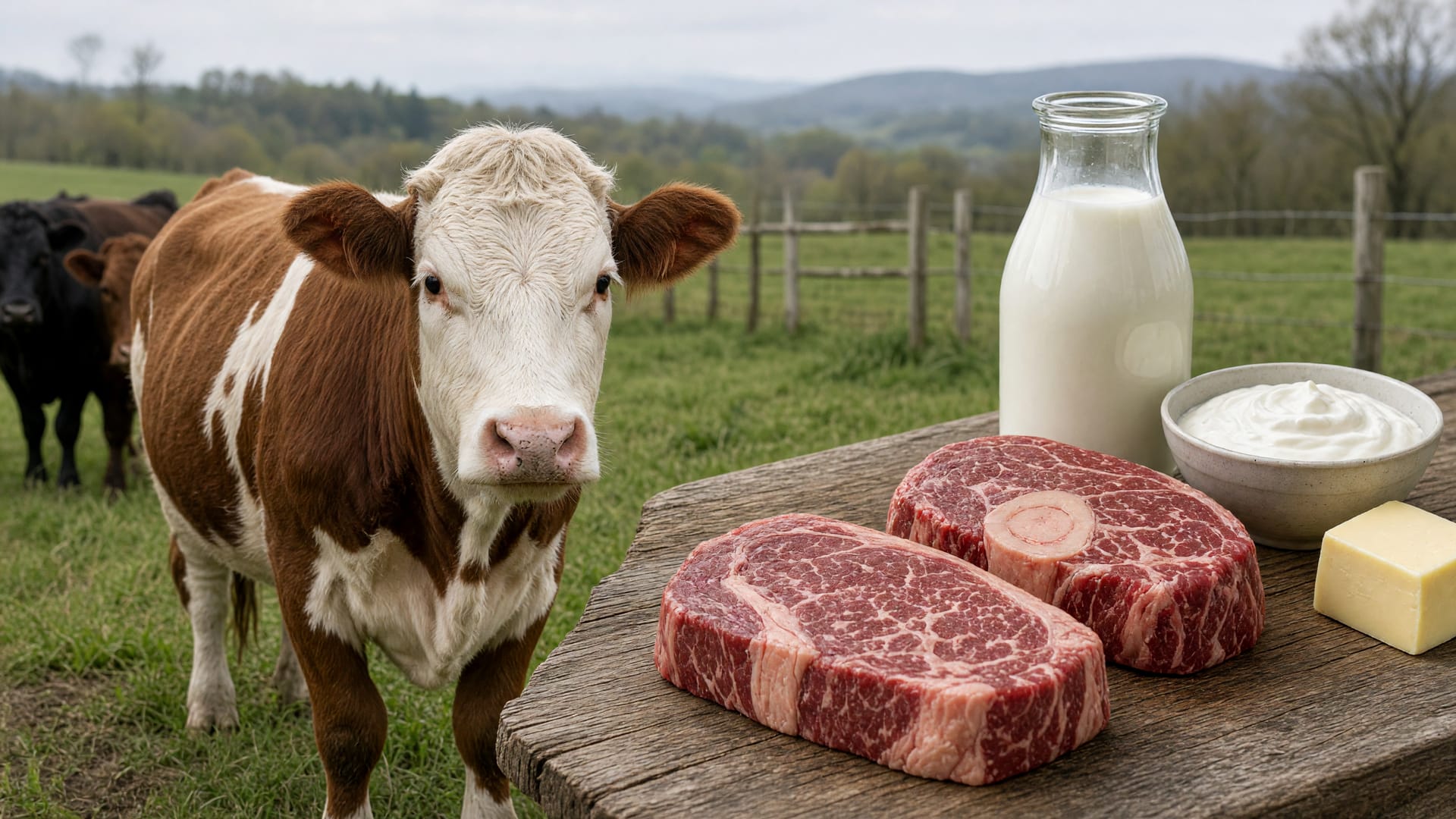
What Is Grass-Fed? Beef and Dairy Labels Explained
This guide explains grass-fed and grass-finished labels for beef and dairy, covering how diet affects animal health, nutritional content, fatty acid ratios, and production methods compared to conventional grain-fed systems.
 Animal Products & Welfare
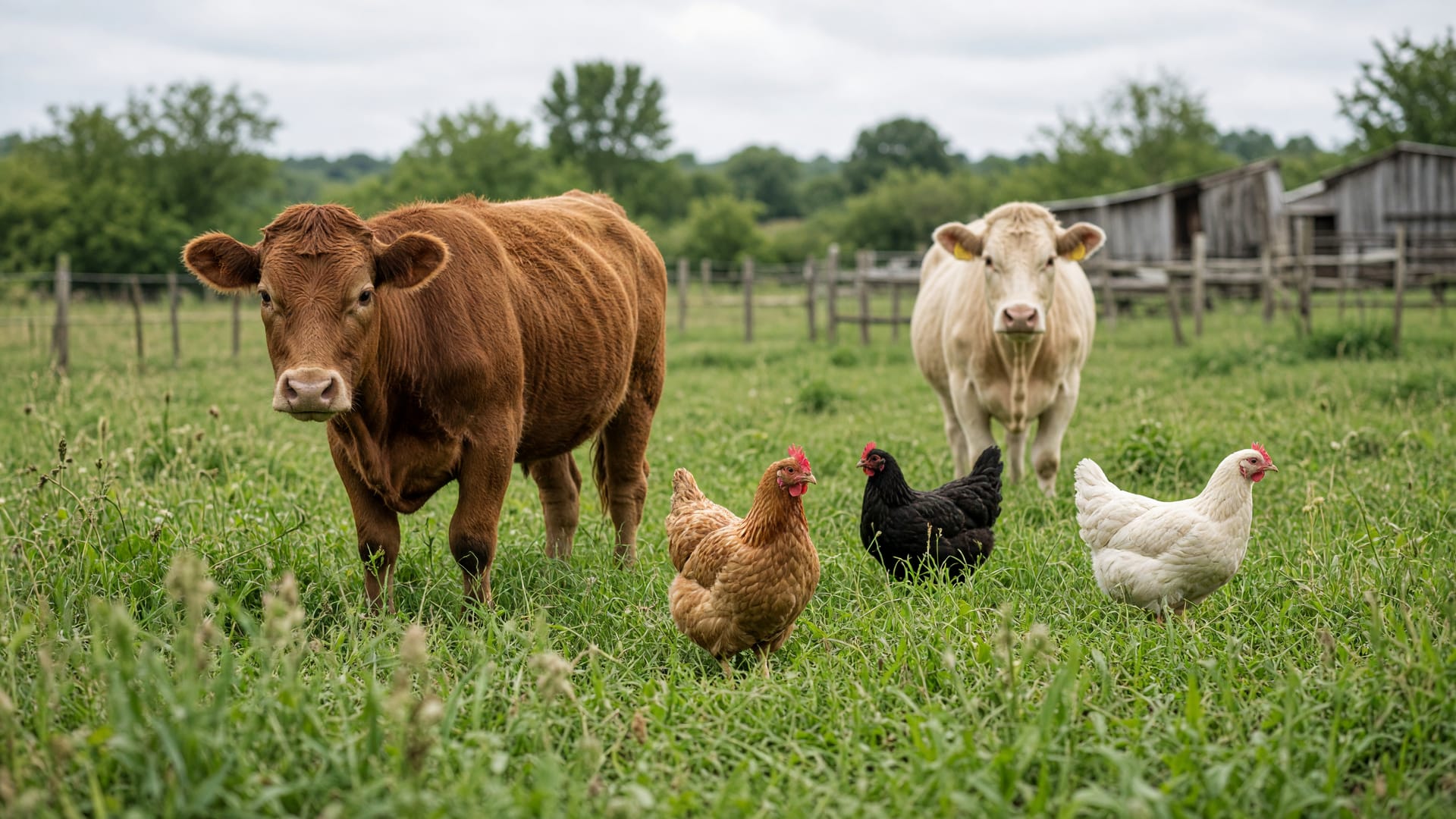
What Is Pasture-Raised? Animal Welfare Labels Explained
Pasture-raised labels suggest animals live outdoors on grass, but lack federal regulation in the United States, creating confusion as standards vary widely across producers and third-party certifications.
Produce & Seasonality
Understanding what grows when and why seasonal produce tastes better.
 Produce & Seasonality
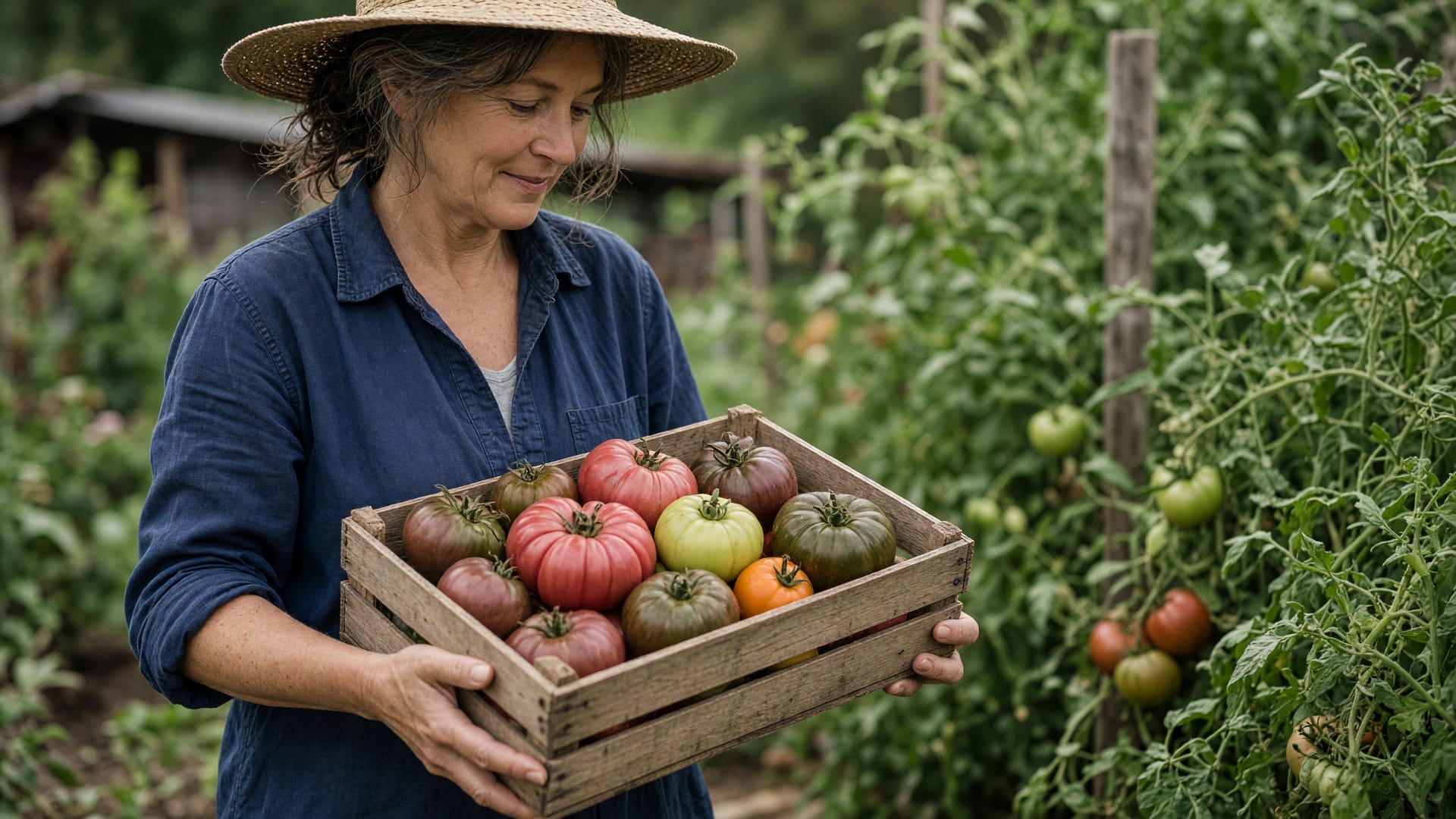
What Are Heirloom Vegetables? Open-Pollinated Varieties Explained
Heirloom vegetables are open-pollinated varieties passed down through generations that breed true from saved seeds, offering genetic diversity and flavor unlike modern hybrid seeds that require annual repurchasing.
 Produce & Seasonality
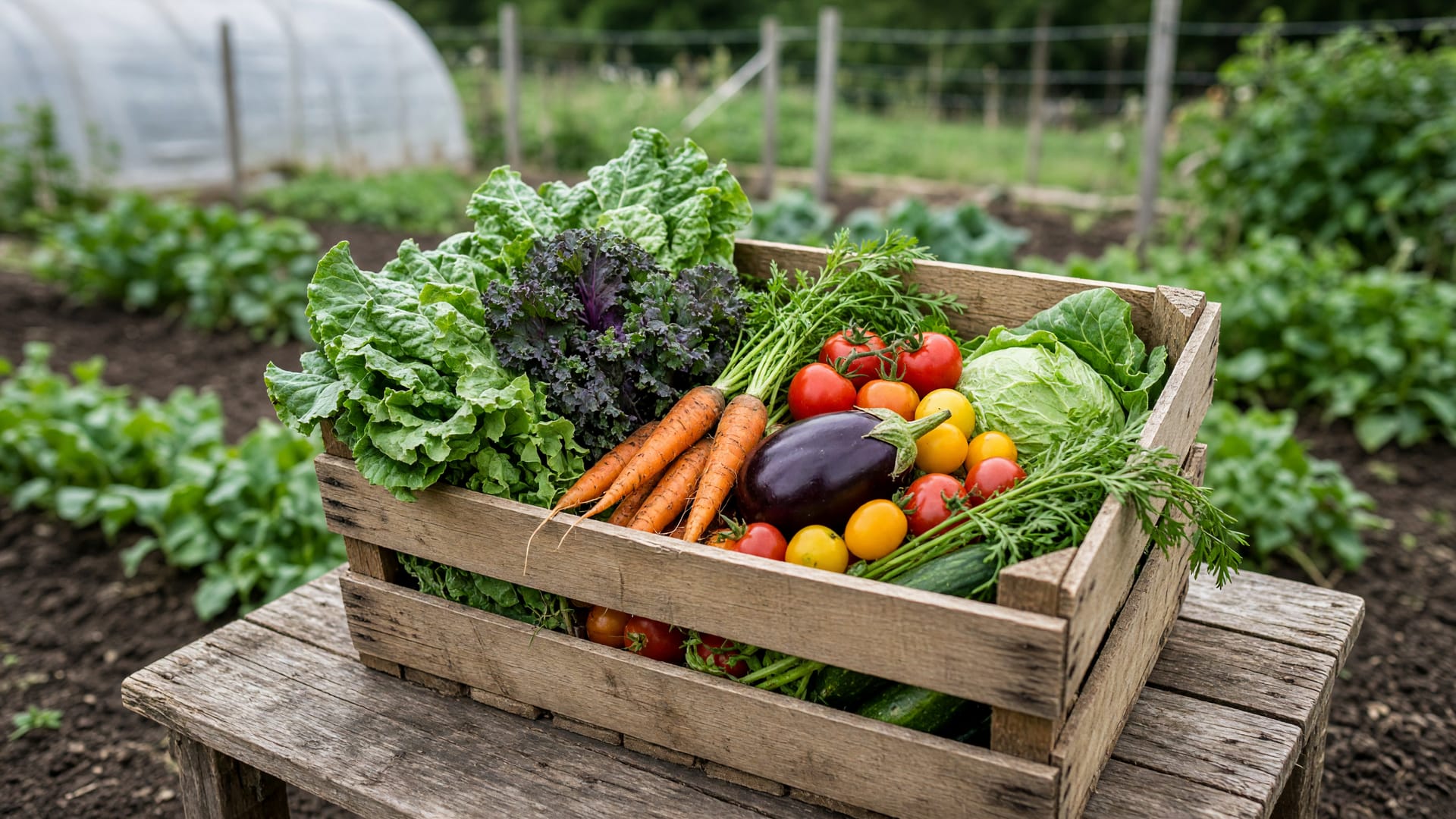
What Is a CSA Box? Weekly Farm Shares Explained
A CSA box is a weekly delivery of fresh farm produce from Community Supported Agriculture shares, where customers pay upfront for a local farm's seasonal harvest and receive regular boxes of vegetables and other farm products.
 Produce & Seasonality
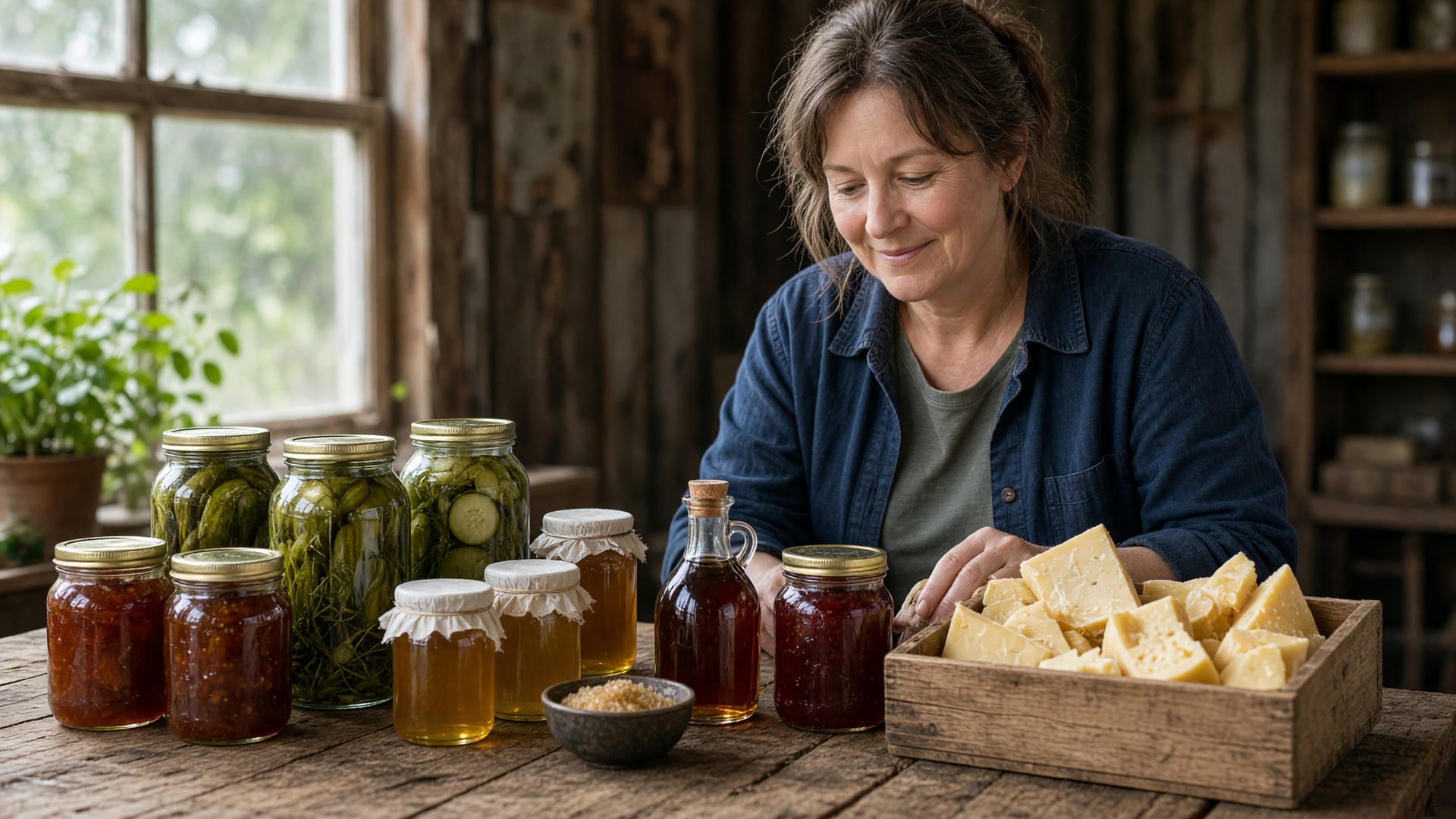
What Is a Value-Added Farm Product? Farm Processing and Preservation Explained
Value-added farm products transform raw agricultural commodities into processed goods like jams, pickles, and honey, allowing small farms to capture significantly more revenue while building customer relationships and improving profitability through on-farm processing.
 Produce & Seasonality
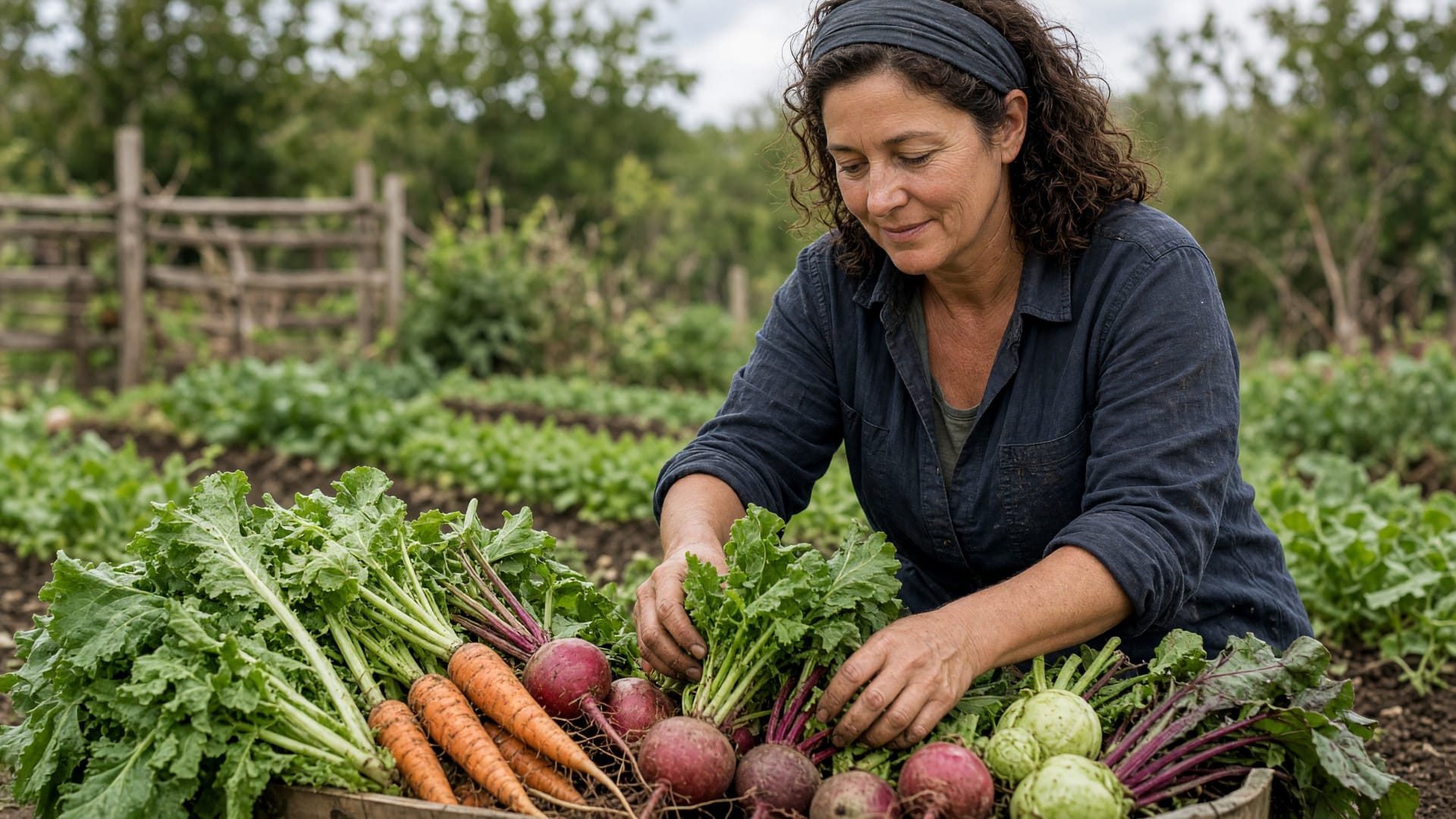
What Is Peak Season? When Produce Is at Its Best Explained
Peak season is the brief window when crops reach maximum flavor, nutrition, and ripeness under optimal conditions, differing significantly from the longer general harvest period.
 Produce & Seasonality
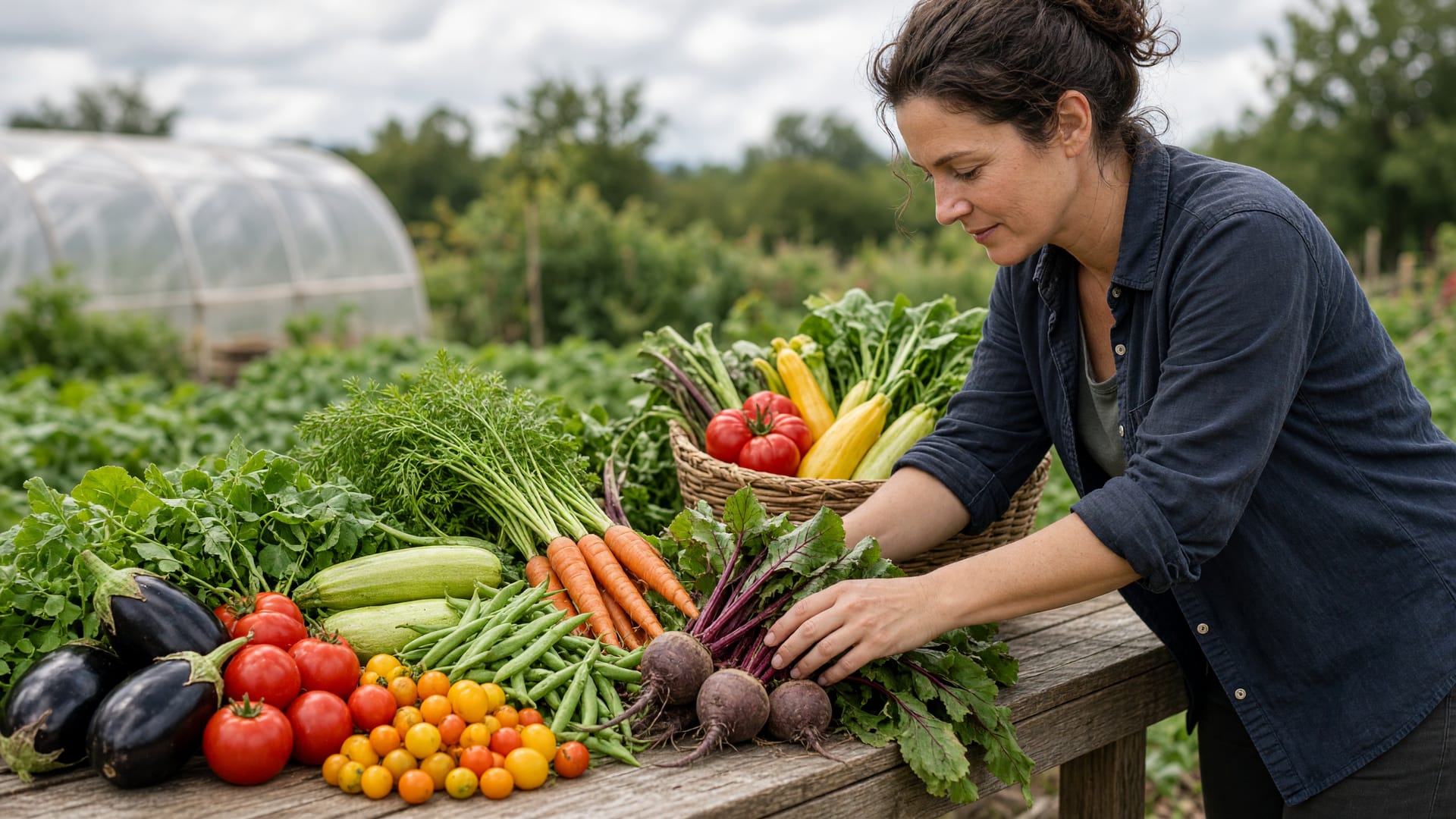
What Is Seasonal Produce? Eating Local and In-Season Explained
Seasonal produce refers to fruits and vegetables harvested during their natural growing period in a region, offering superior flavor and nutrition compared to year-round supermarket options shipped from distant locations.
Local Food Systems
The broader context of how local farms connect with the communities they serve.
 Local Food Systems
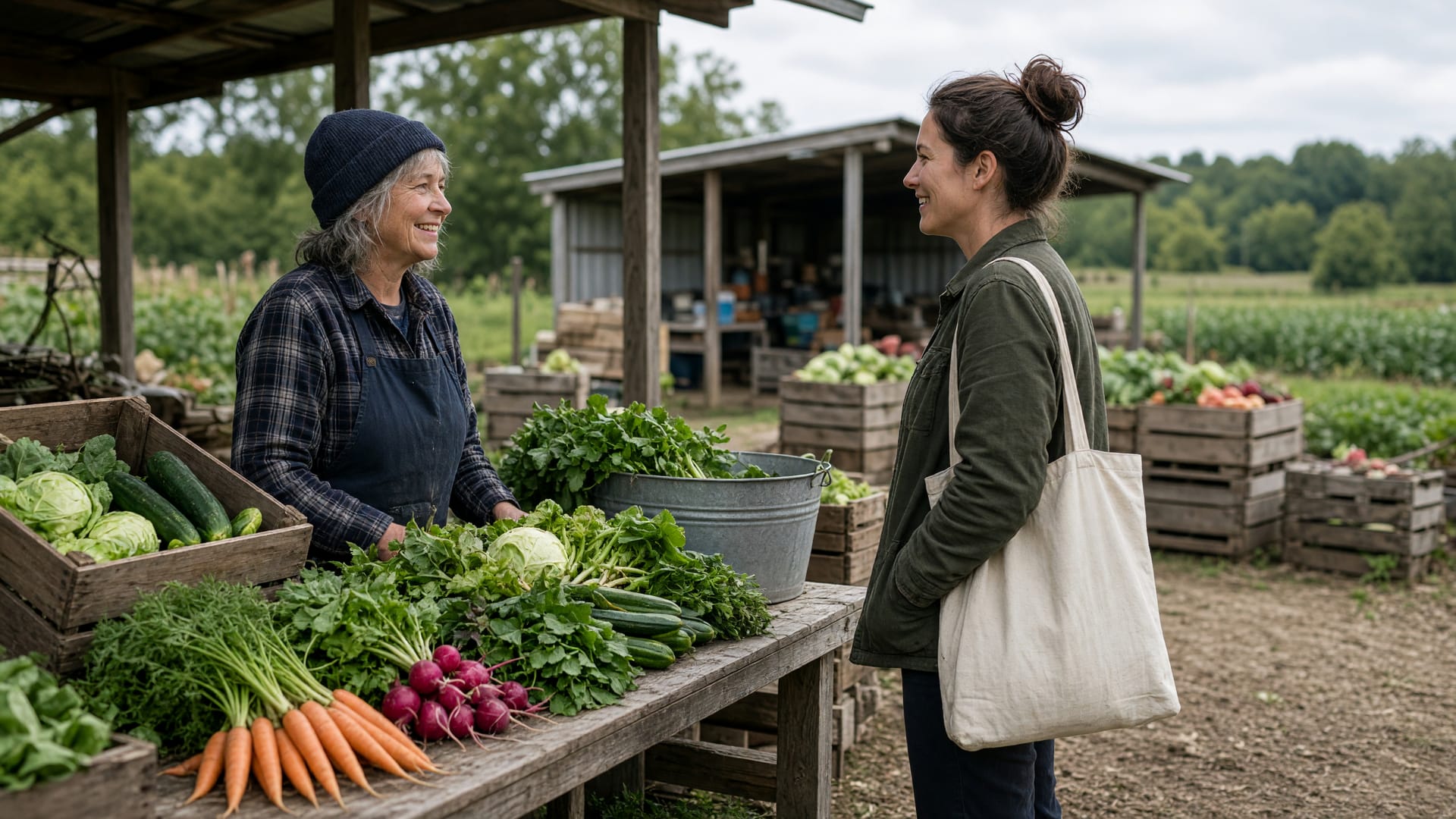
What Is a Local Food System? How Community Food Networks Work
Local food systems create direct connections between producers and consumers within geographic regions, prioritizing community relationships and transparency over the efficiency and scale of conventional industrial agricultural supply chains.
 Local Food Systems
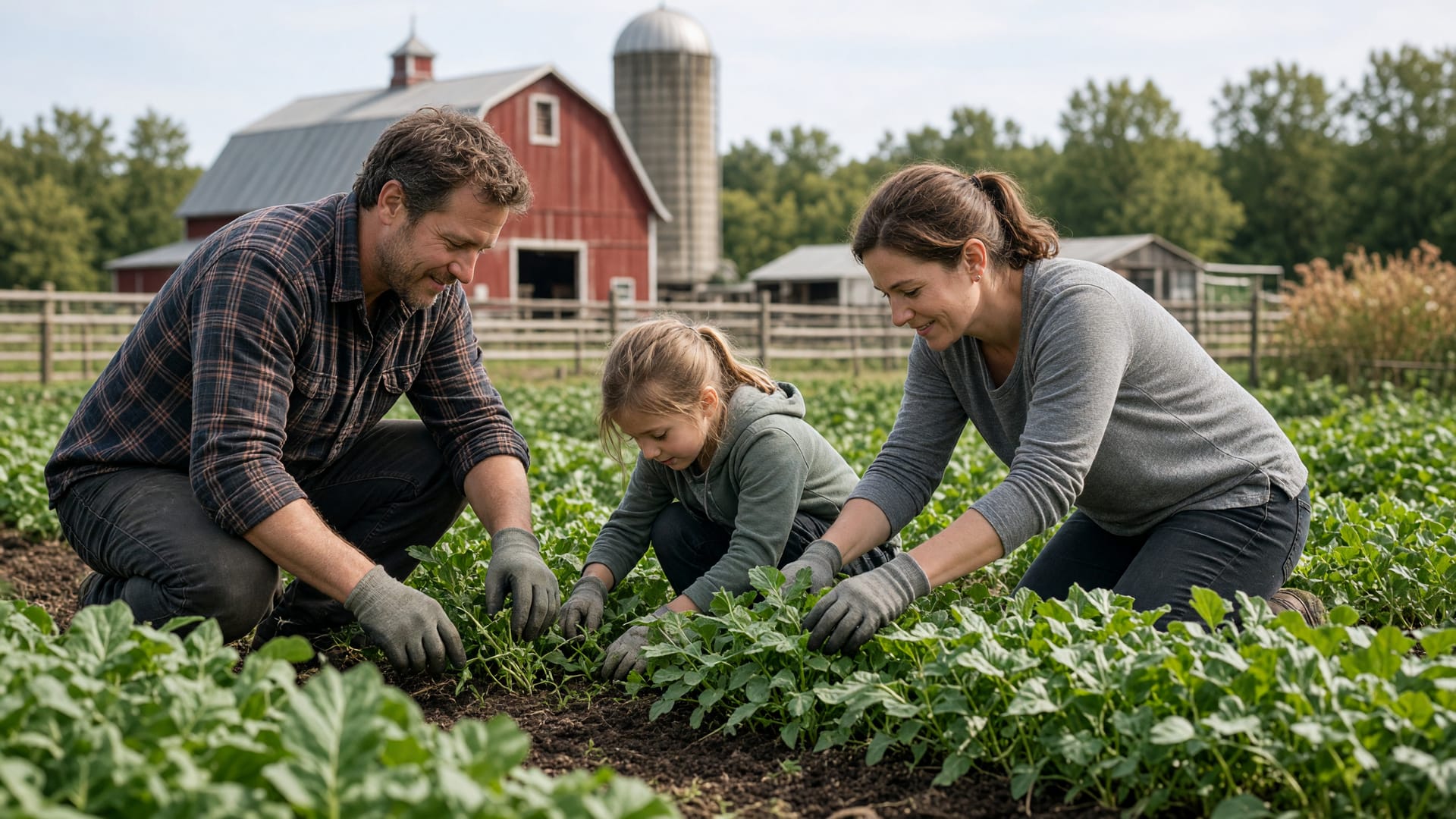
What Is a Small Family Farm? USDA Definition and Local Farming Explained
Small family farms are USDA-defined operations with under $350,000 gross annual income, comprising 86 percent of US farms while facing economic challenges from consolidation and thin profit margins.
 Local Food Systems
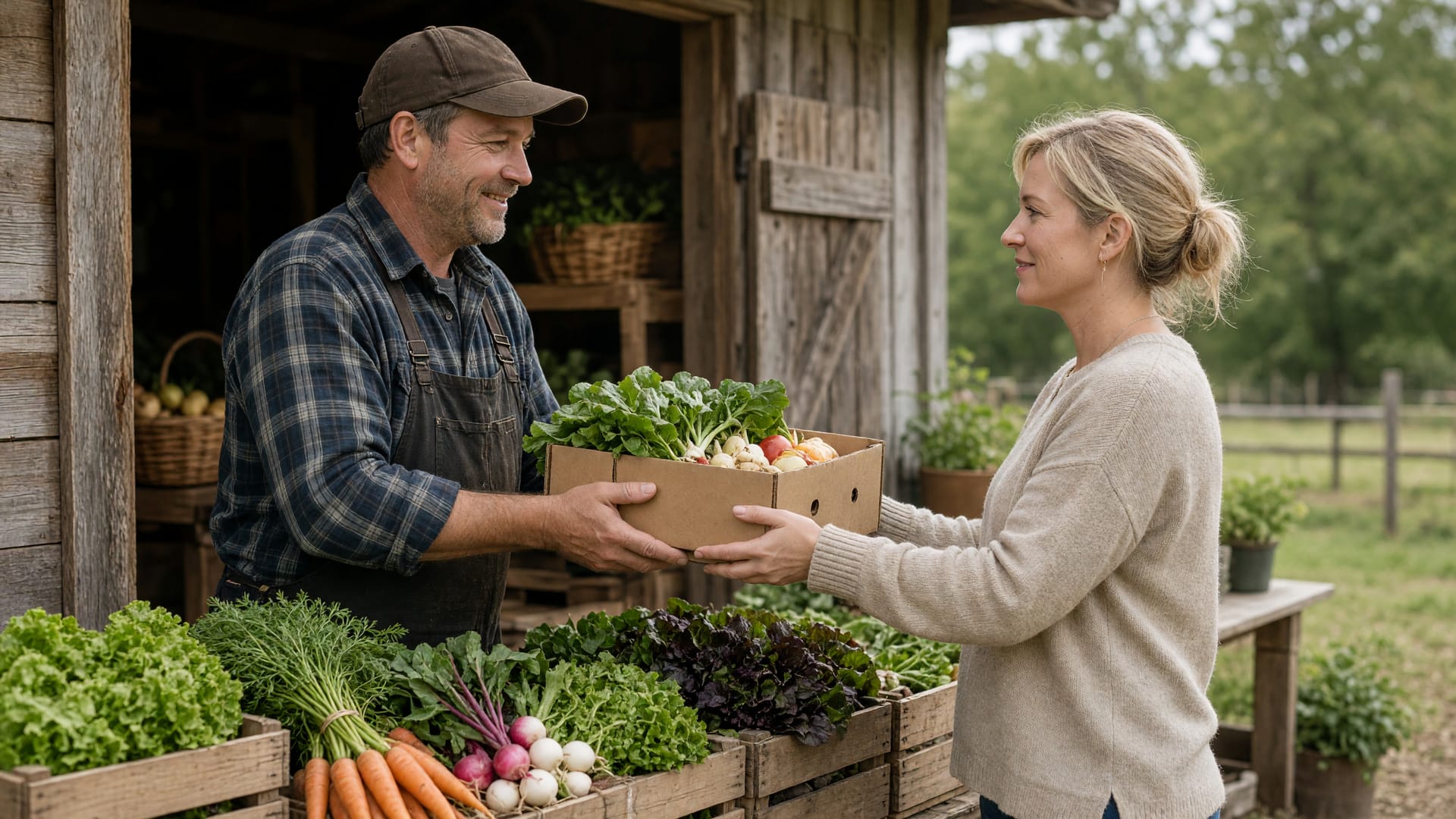
What Is Direct-to-Consumer Farming? Buying Direct from Farmers Explained
Direct-to-consumer farming allows farmers to sell produce and goods directly to customers without intermediaries, offering fresher food, better farmer income, and transparent accountability through models like farmers markets and CSA programs.
 Local Food Systems
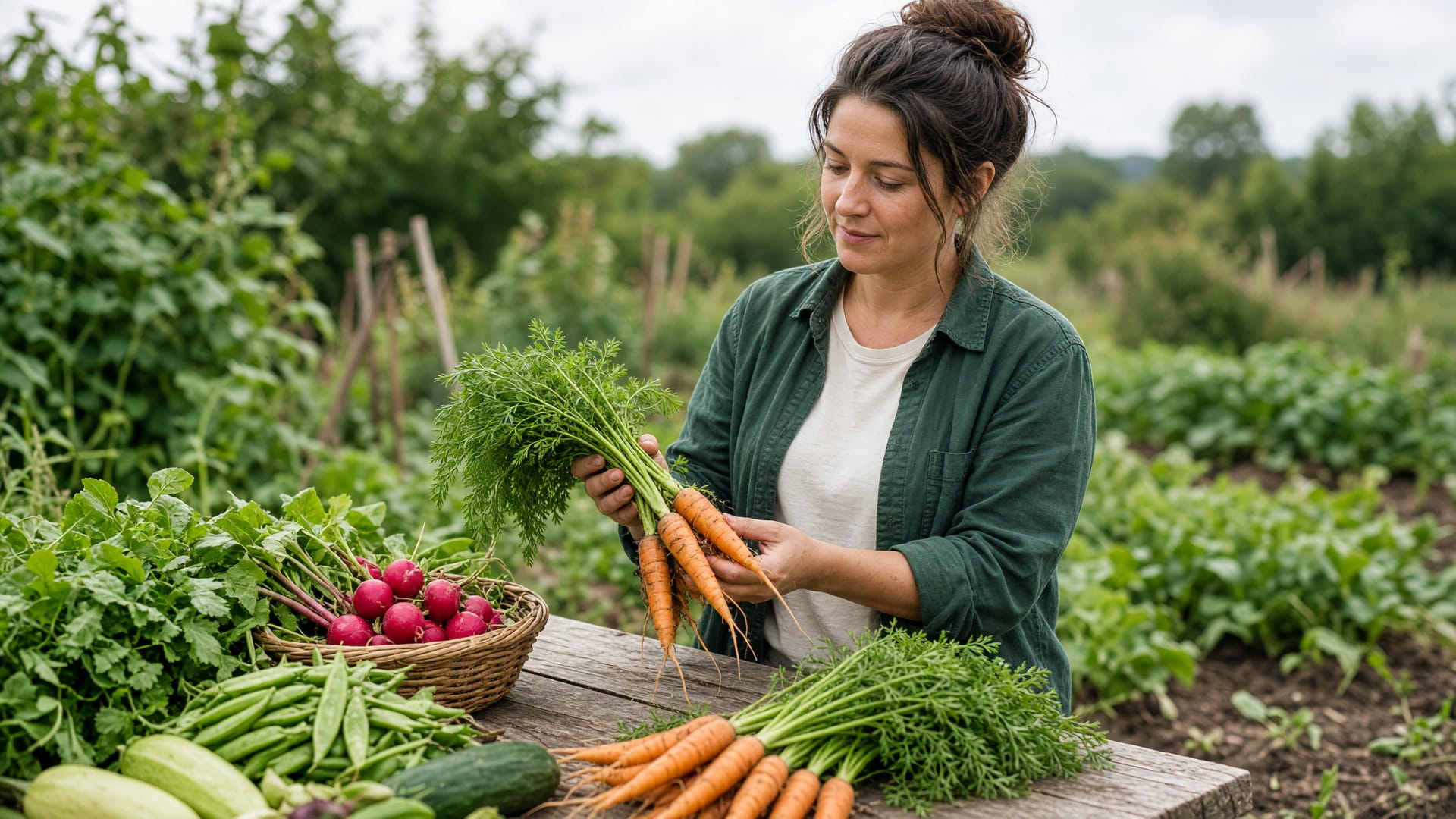
What Is Farm-to-Table? Local Sourcing and Seasonal Cooking Explained
Farm-to-table is a food system where restaurants and consumers source ingredients directly from local farms, emphasizing seasonal menus, shorter supply chains, and direct relationships with growers instead of conventional distribution networks.
 Local Food Systems
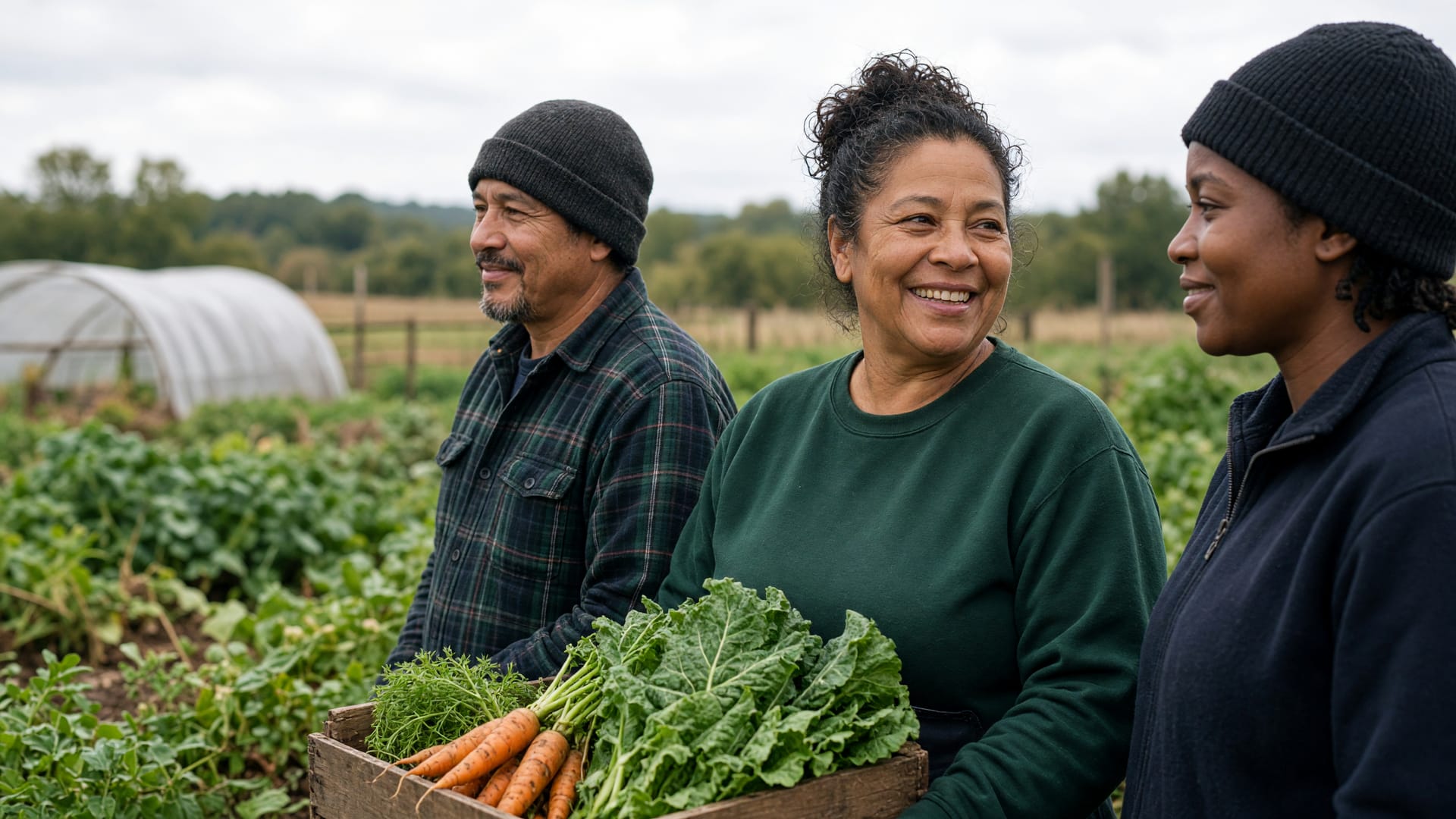
What Is Food Sovereignty? Community Control Over Food Systems Explained
Food sovereignty emphasizes community control over food systems, treating food as a basic human right rather than a commodity, empowering local producers to determine agricultural policies and prioritize ecological, culturally appropriate production methods.
 Local Food Systems
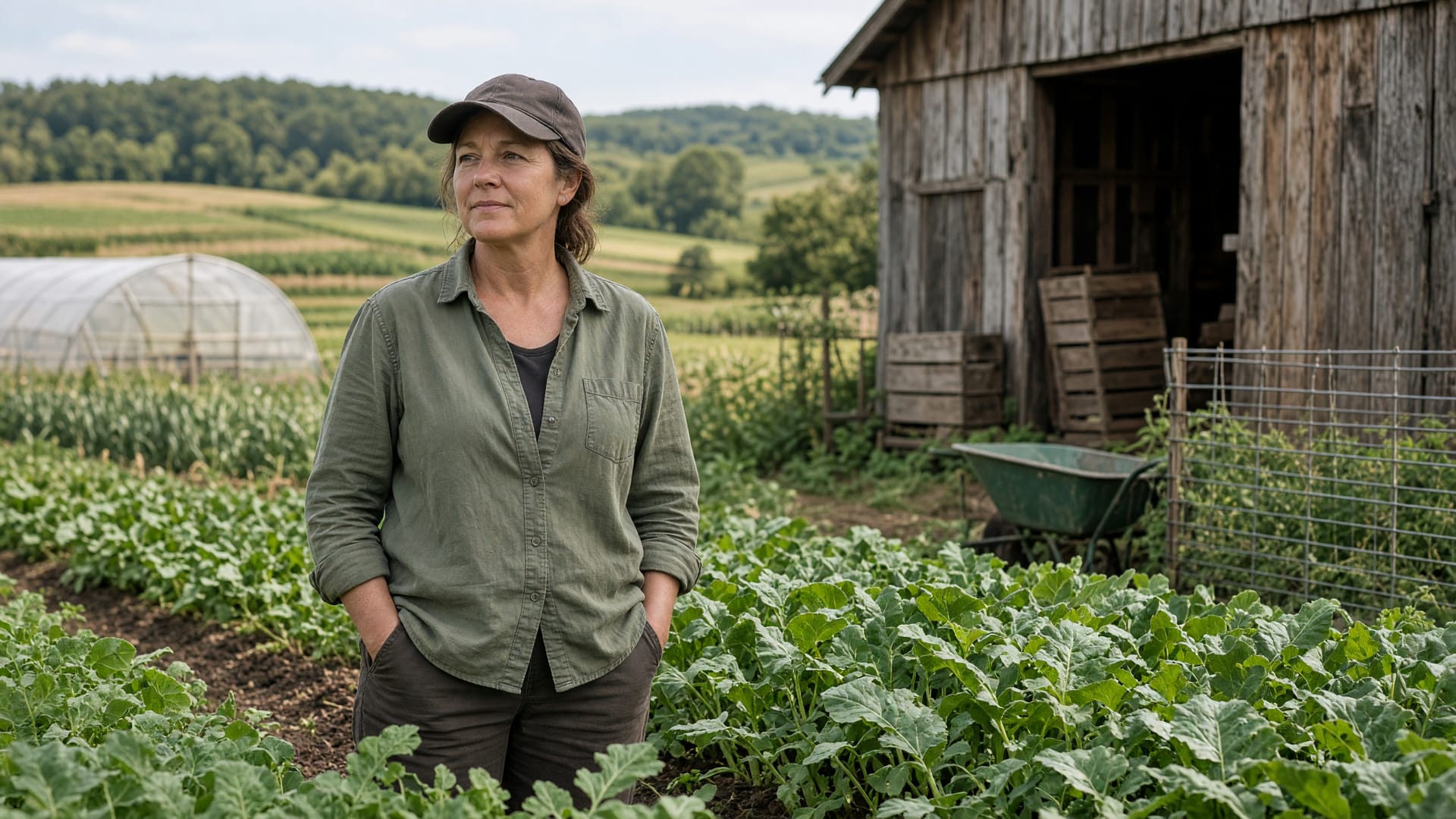
What Is the Farm Bill? US Agricultural Policy Explained
The Farm Bill is comprehensive US legislation reauthorized every five years that governs agricultural policy, nutrition assistance including SNAP, conservation programs, rural development, and farm support, controlling hundreds of billions in federal spending.
Farm Visit Essentials
What you need to know before visiting a farm, market, or U-pick operation.
 Farm Visit Essentials
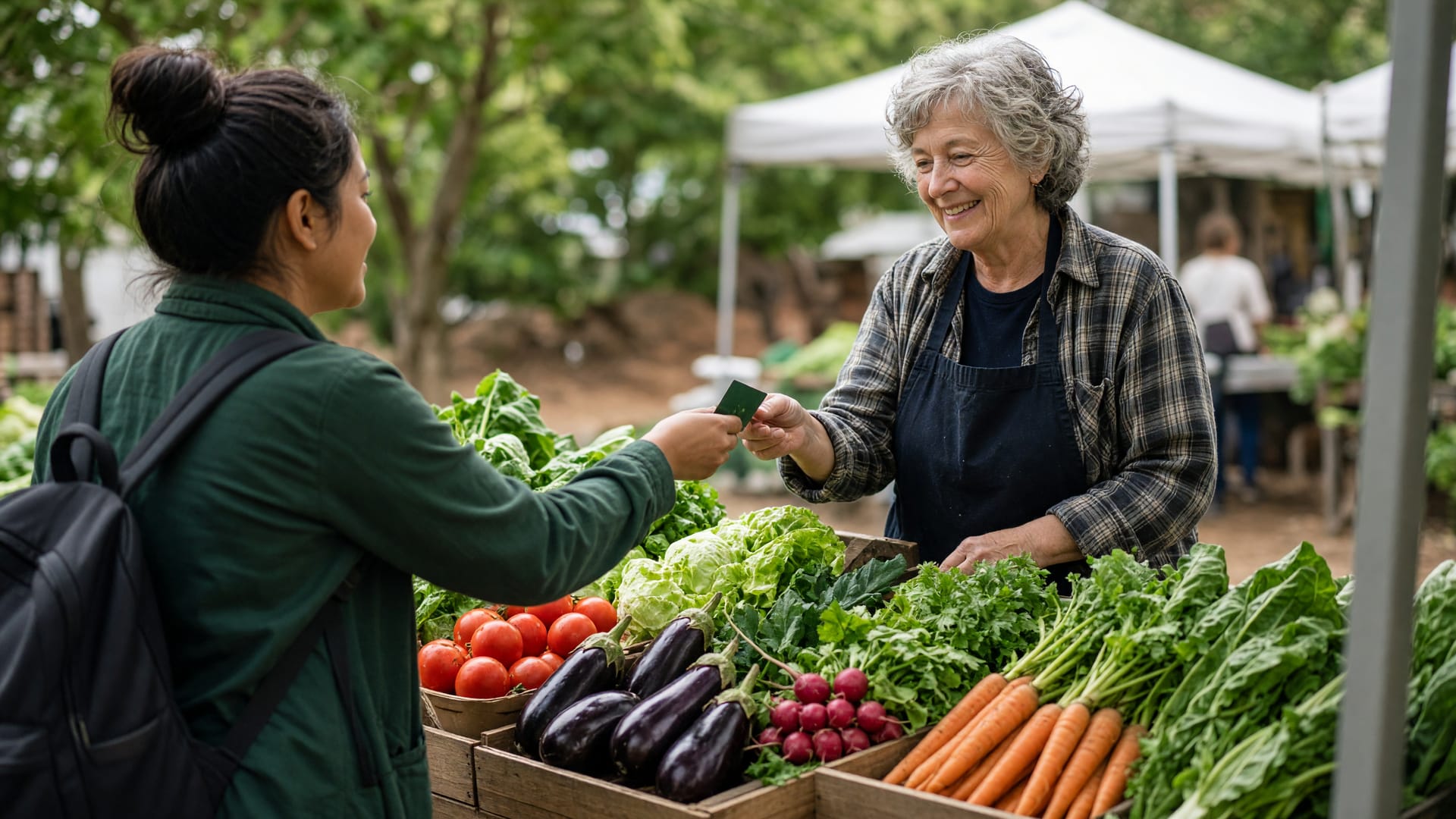
SNAP/EBT at Farmers Markets: How It Works and Where to Find It
SNAP benefits can be used at farmers markets through token systems, with incentive programs like Double Up Food Bucks matching dollars spent on fresh produce to double purchasing power for fruits and vegetables.
 Farm Visit Essentials
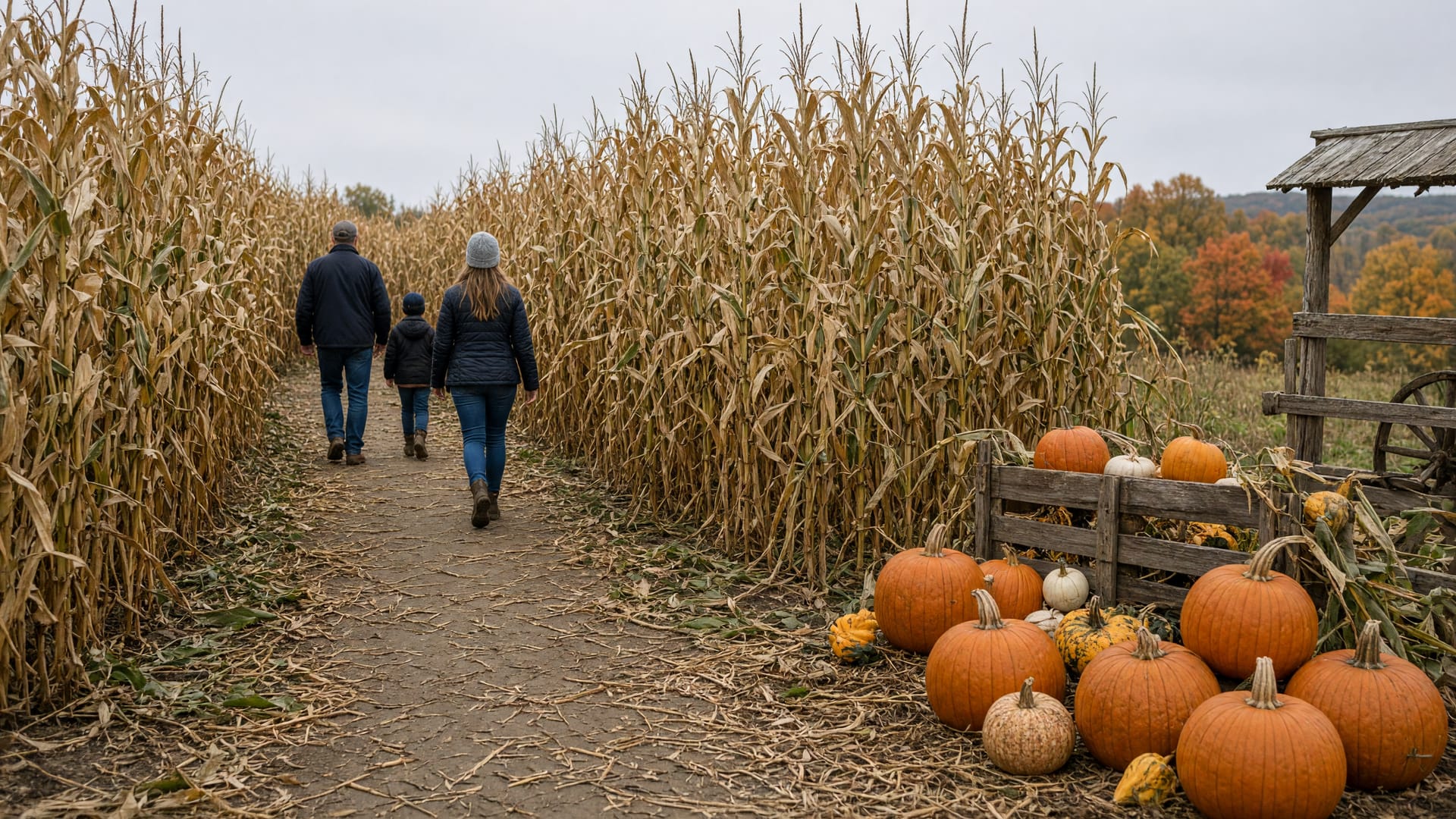
What Is a Corn Maze? Fall Agritourism Explained
Corn mazes are large outdoor puzzles cut into cornfields during fall, often paired with pumpkin patches and hayrides as part of agritourism destinations that farmers create for seasonal entertainment.
 Farm Visit Essentials
What Is a Farm Stay? Agritourism Overnight Experiences Explained
Farm stays offer overnight accommodations on agricultural properties where guests experience rural life, participate in farm tasks, and learn about food production through various models ranging from working farms to luxury glamping setups.
 Farm Visit Essentials
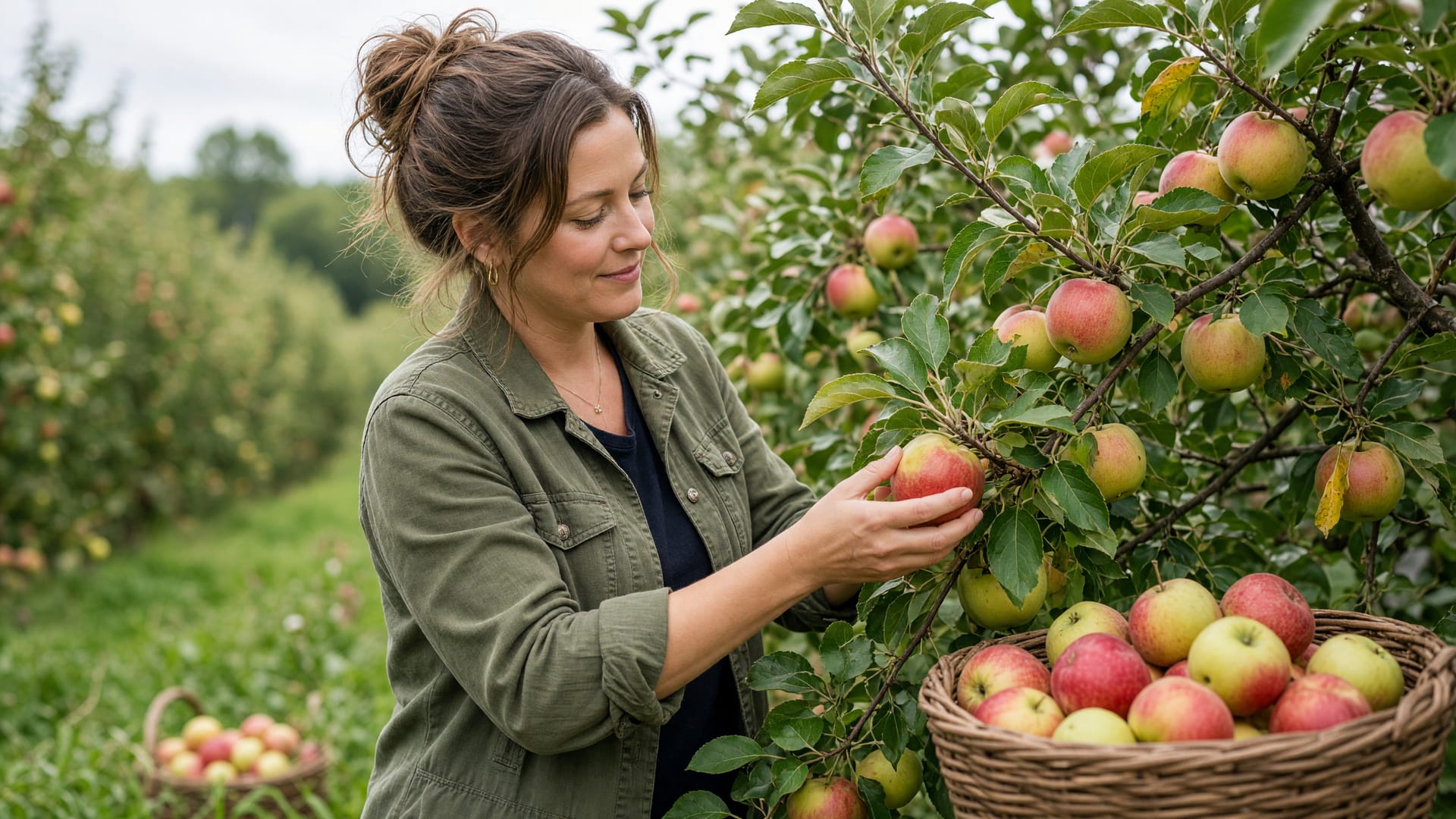
What Is Pick Your Own (PYO)? Farm Harvesting Experiences Explained
Pick your own farming allows consumers to harvest fresh fruits, vegetables, and flowers directly from working farms, paying by weight or container for ultra-fresh produce while farmers reduce labor costs and gain direct income.
Farm Products
In-depth descriptions of products from the farm.
 Farm Products
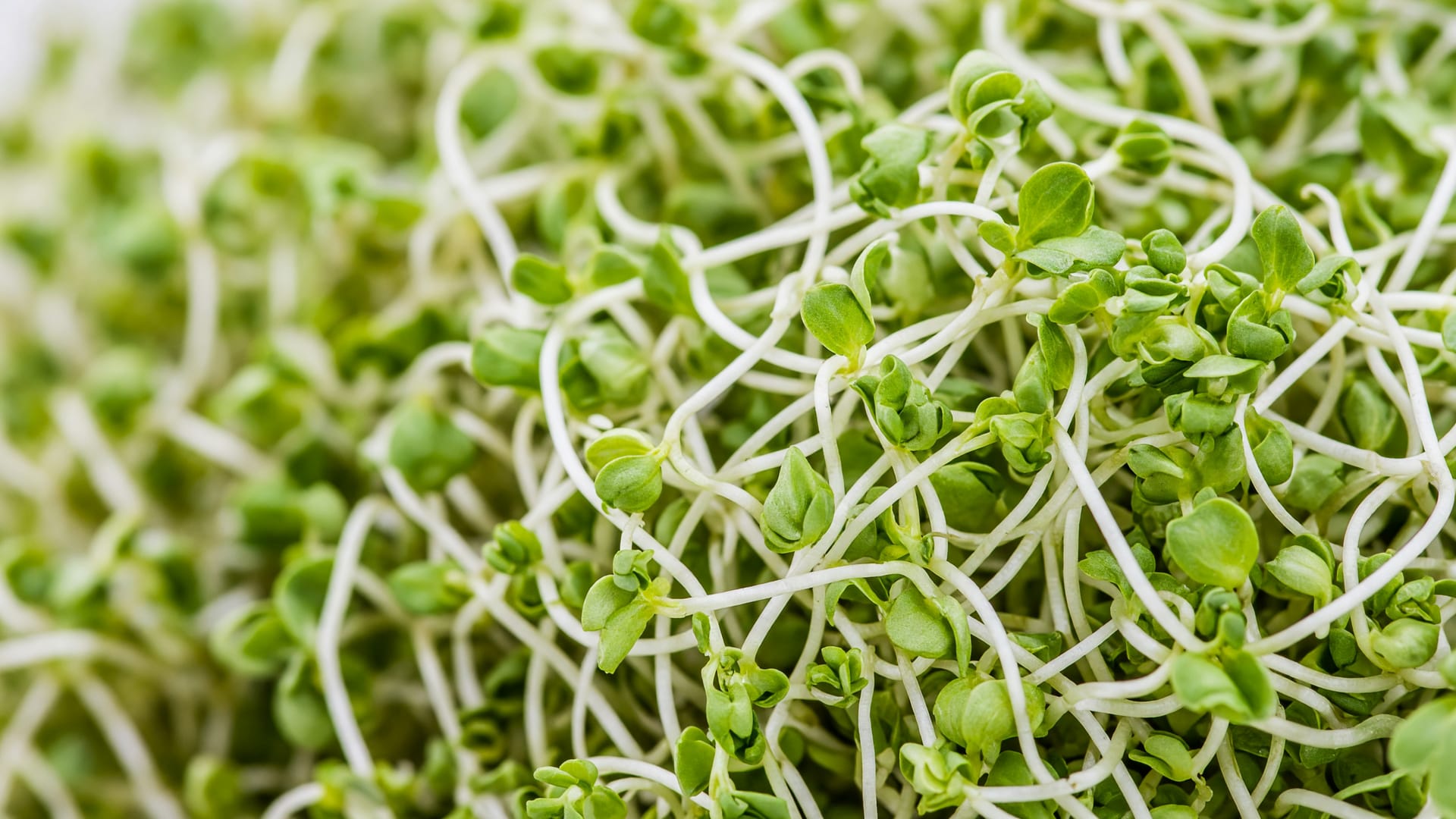
Alfalfa Sprouts — A Complete Guide to Growing, Nutrition, and Uses
Alfalfa sprouts are nutrient-dense seedlings harvested days after germination, popular since the 1970s natural foods movement but now controversial due to recurring food safety concerns from bacterial contamination during sprouting.
 Farm Products
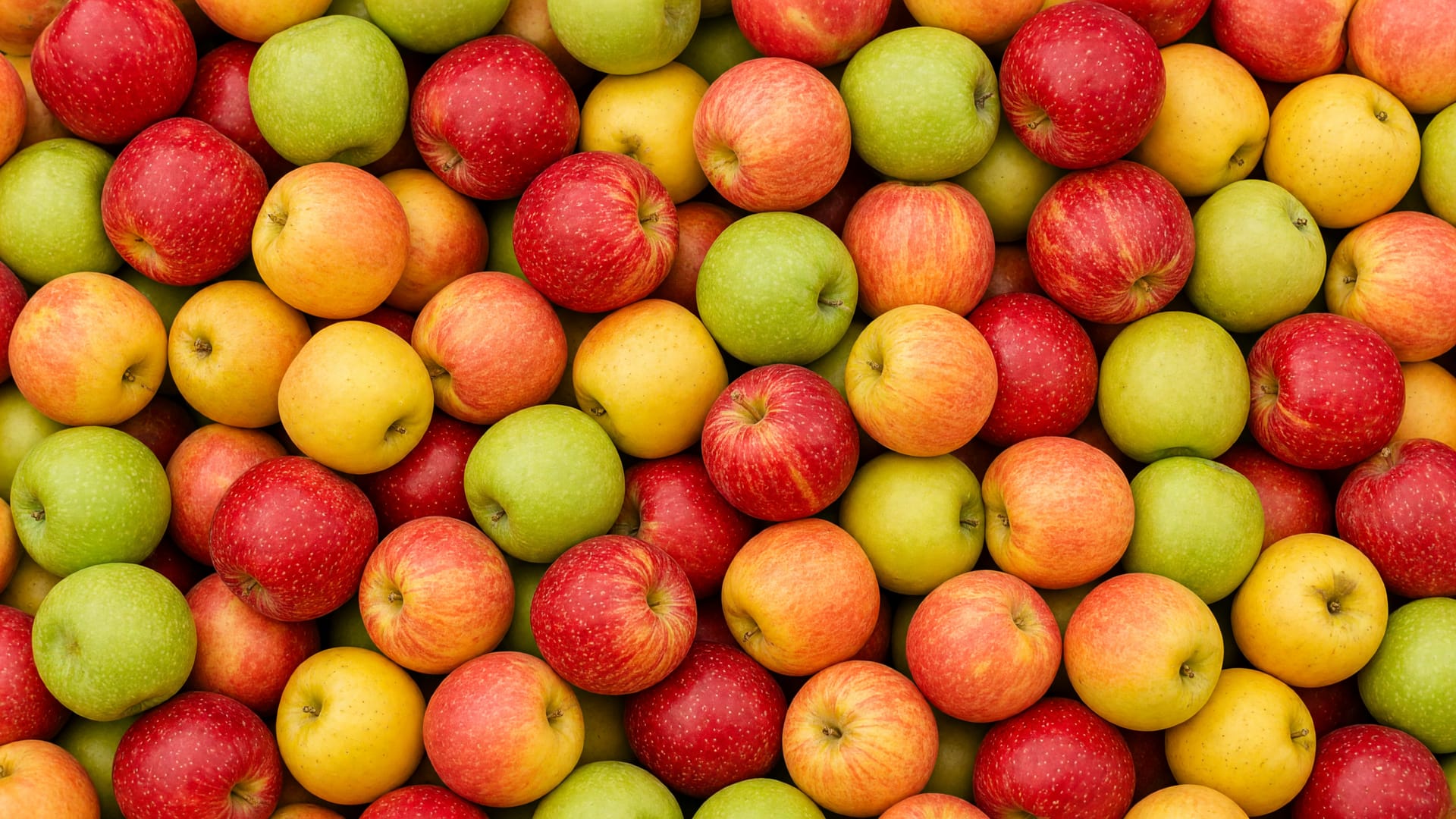
Apple Products — Cider, Sauce, Butter, Vinegar, and What Small Farms Make Best
Small farms transform apples into artisan products like sauce, butter, cider, and vinegar using traditional methods that prioritize flavor, heritage varieties, and terroir over industrial efficiency.
 Farm Products
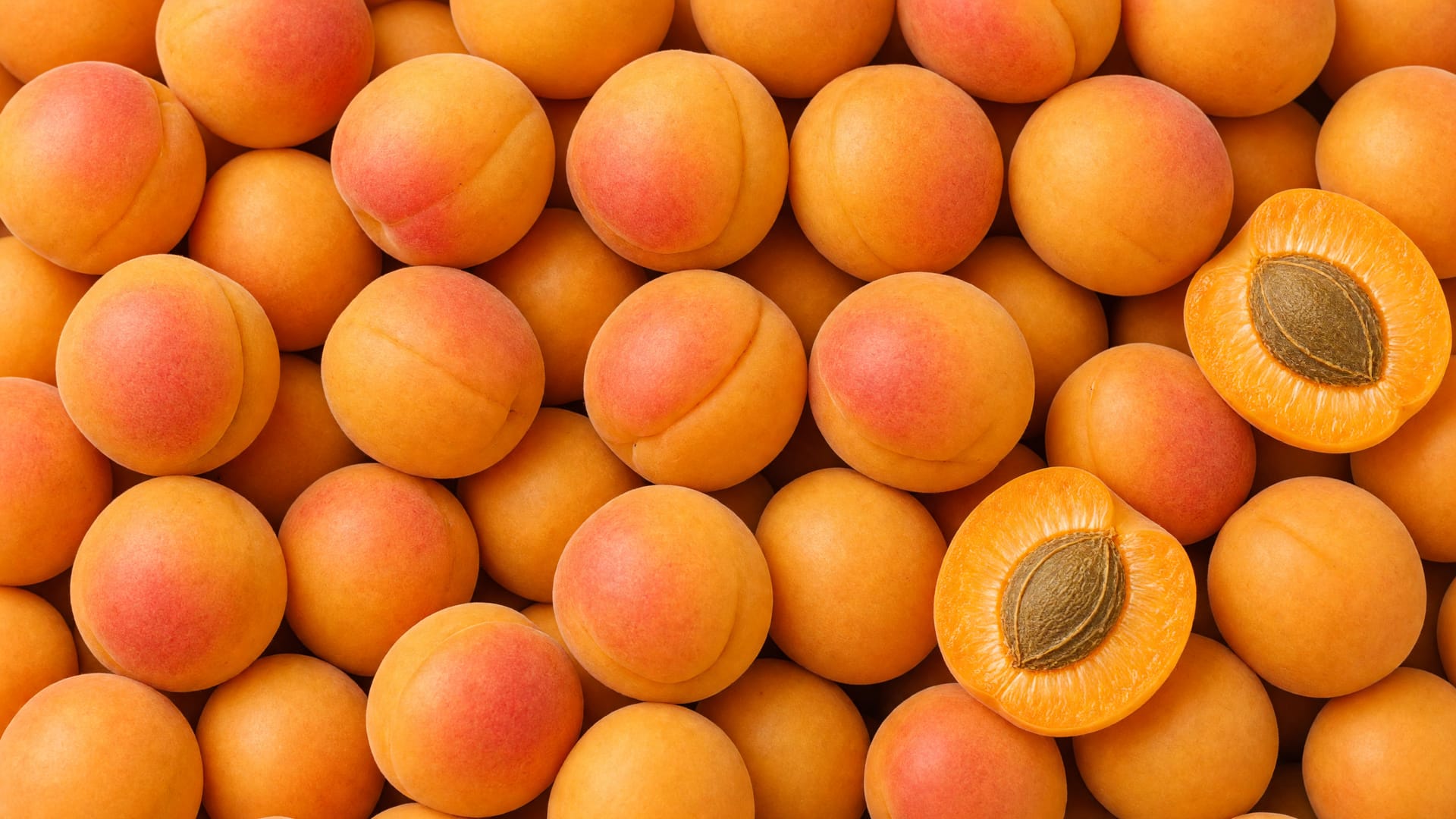
Apricots — History, Varieties, Peak Season, and Why Fresh Beats Dried
Apricots originated in Central Asia, spread globally via trade routes, and thrive in California, but commercial harvesting before peak ripeness means farm-direct sources offer superior flavor.
 Farm Products
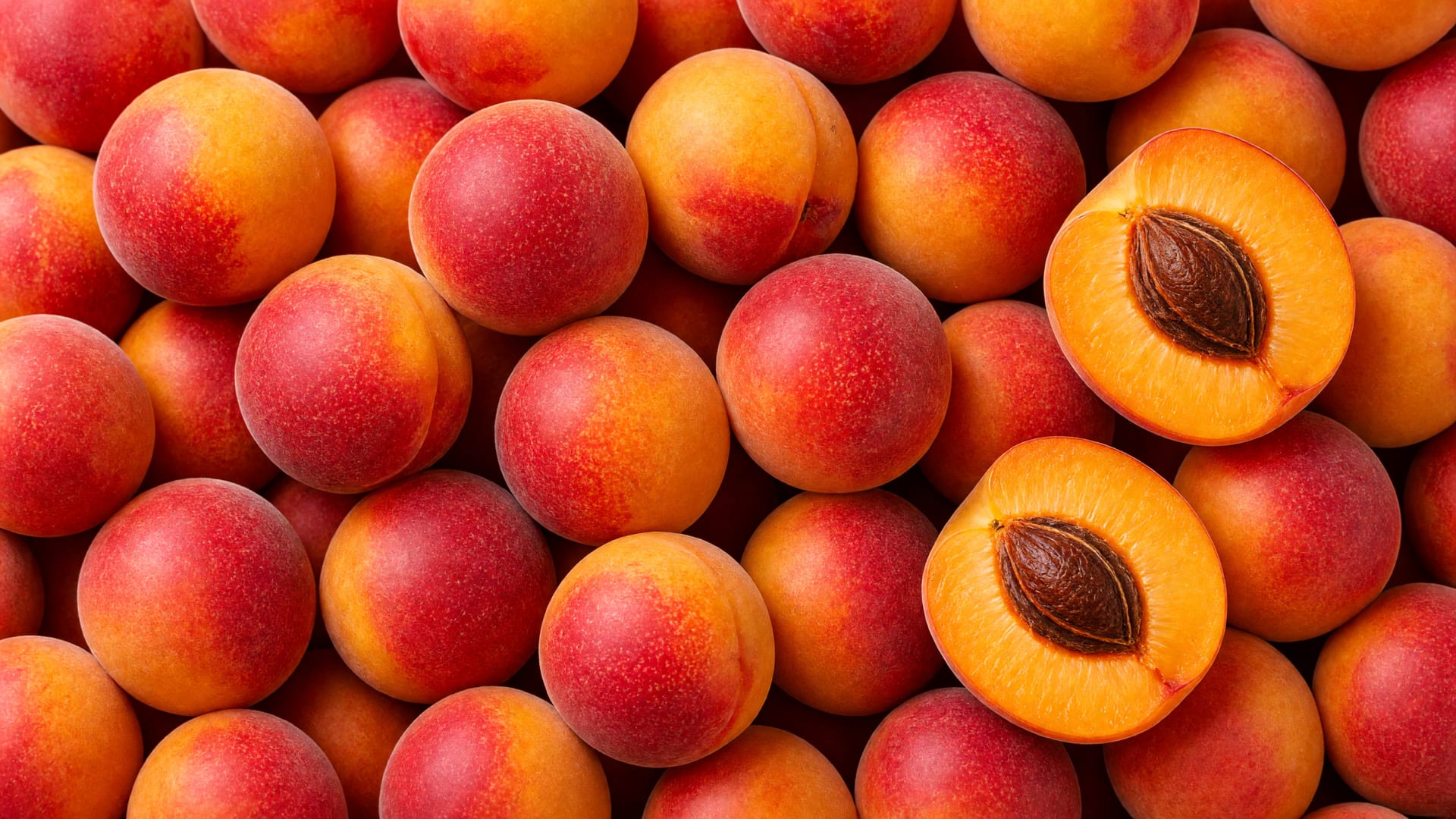
Aprium — What It Is, How It's Different From a Plum or Apricot, and Why It's Worth Finding
Apriums are hybrid stone fruits with 75 percent apricot and 25 percent plum genetics, offering sweeter, juicier flavor than apricots with subtle plum complexity and a brief early-summer harvest season.
 Farm Products
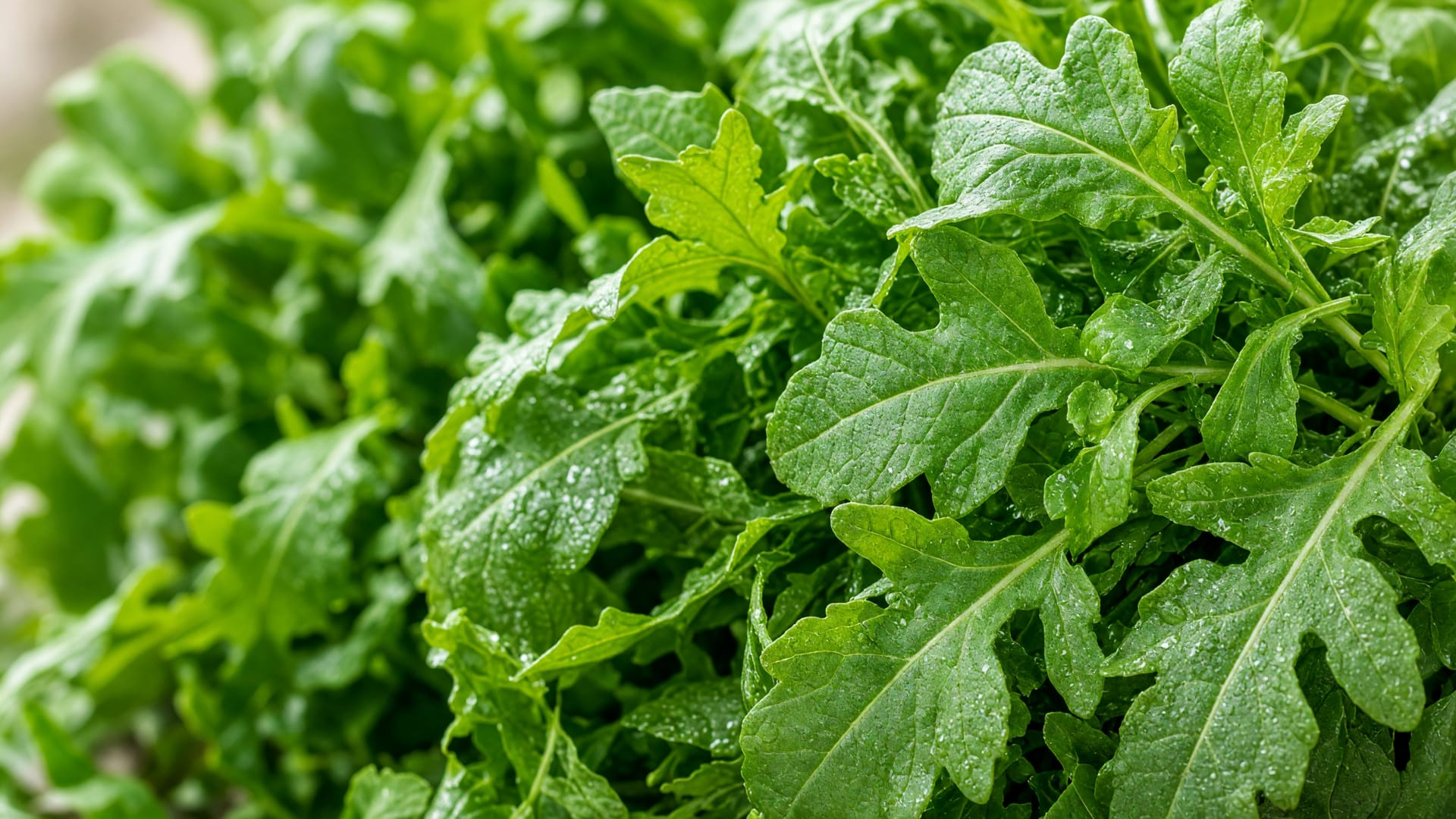
Arugula — The History, Varieties, and Culinary Uses of Rocket
Arugula, known as rocket in Britain, is a peppery salad green with Roman origins that evolved from obscure ethnic vegetable to mainstream American ingredient through the farm-to-table movement.
 Farm Products
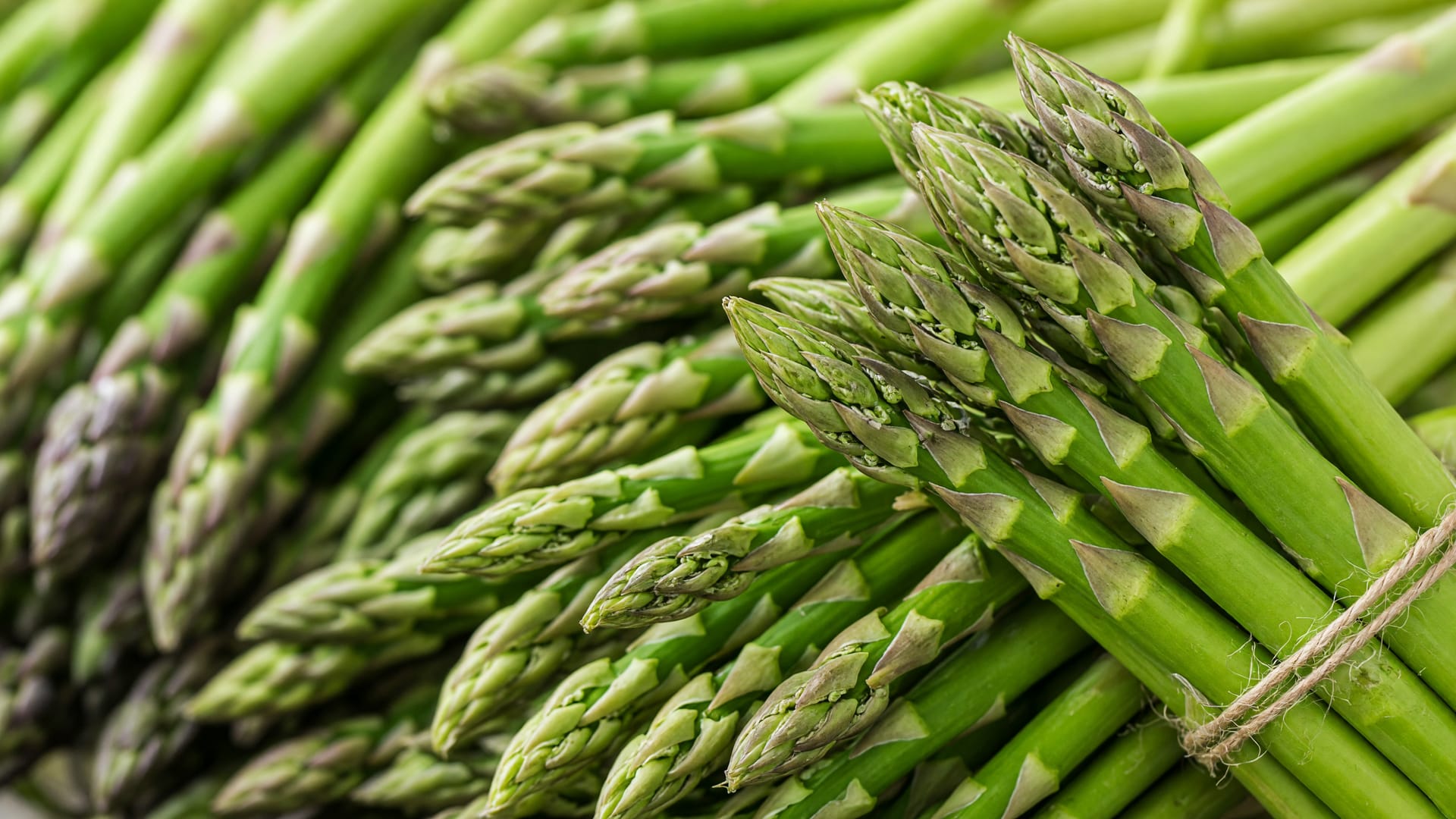
Asparagus — America's Most Eagerly Awaited Spring Vegetable
Asparagus has a brief spring season dictated by its biology, requiring years to cultivate and careful harvesting to sustain perennial roots for future growth.
 Farm Products
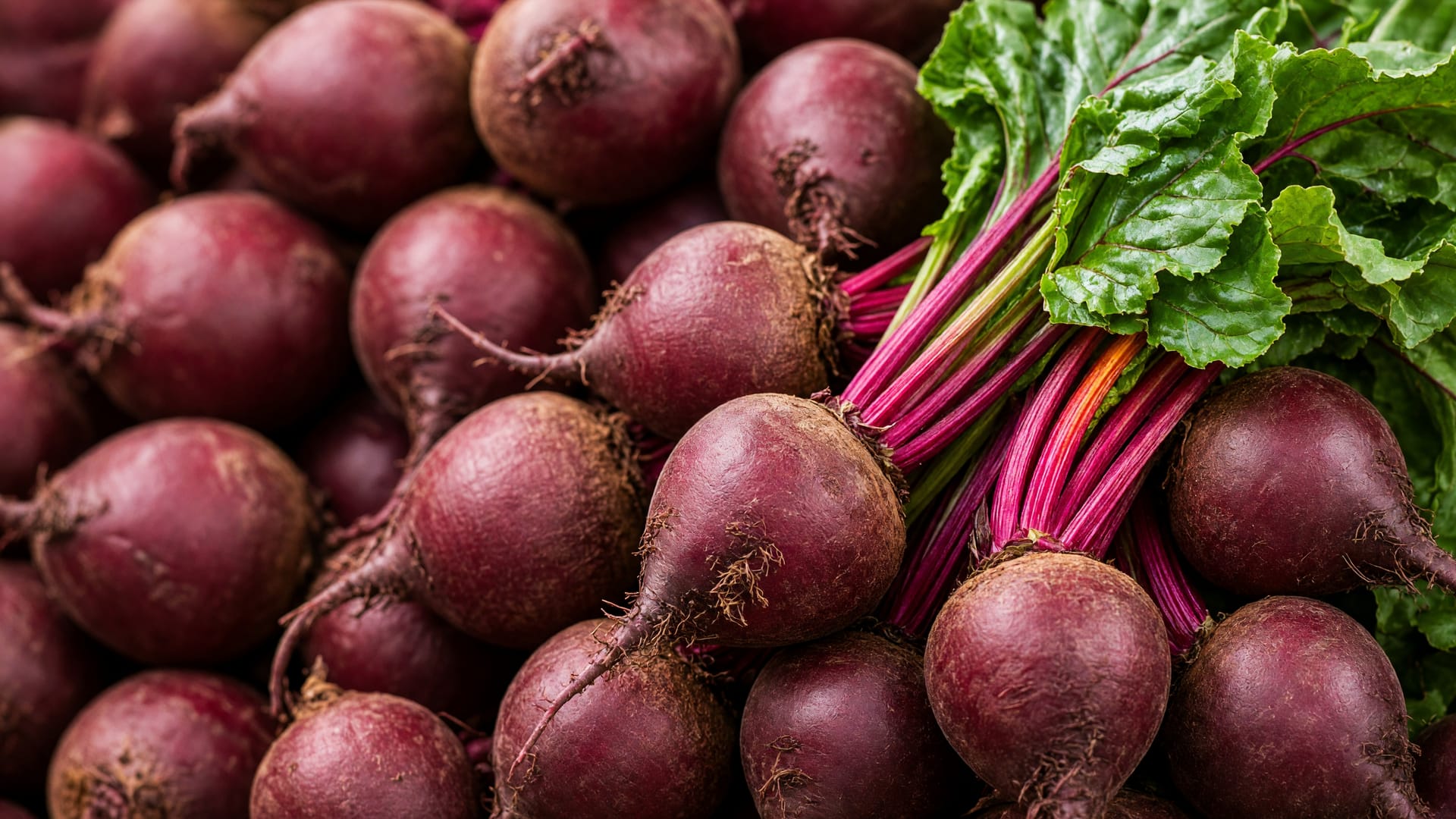
Beets — A Root Vegetable With a 2,000-Year History Worth Rediscovering
Beets offer far more variety than grocery stores suggest, with dozens of heirloom types differing in color, flavor, and kitchen uses, descended from ancient Mediterranean sea beets through millennia of selective breeding.
 Farm Products
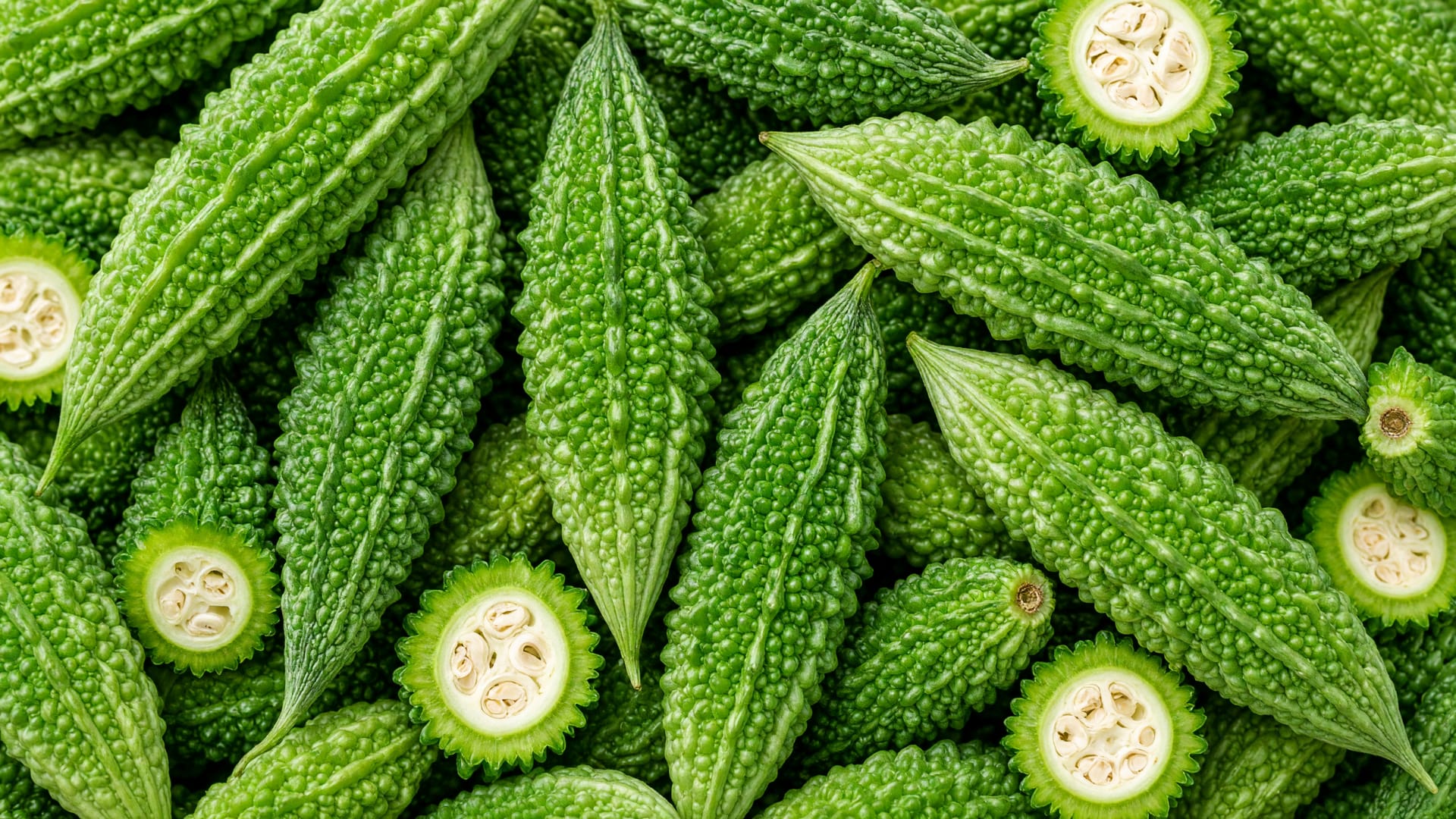
Bitter Melon — An Acquired Taste With Thousands of Years of Culinary and Medicinal History
Bitter melon is a distinctively bitter gourd with deep roots in Asian, African, and Caribbean cuisines, valued for thousands of years in both cooking and traditional medicine across multiple cultures.
 Farm Products
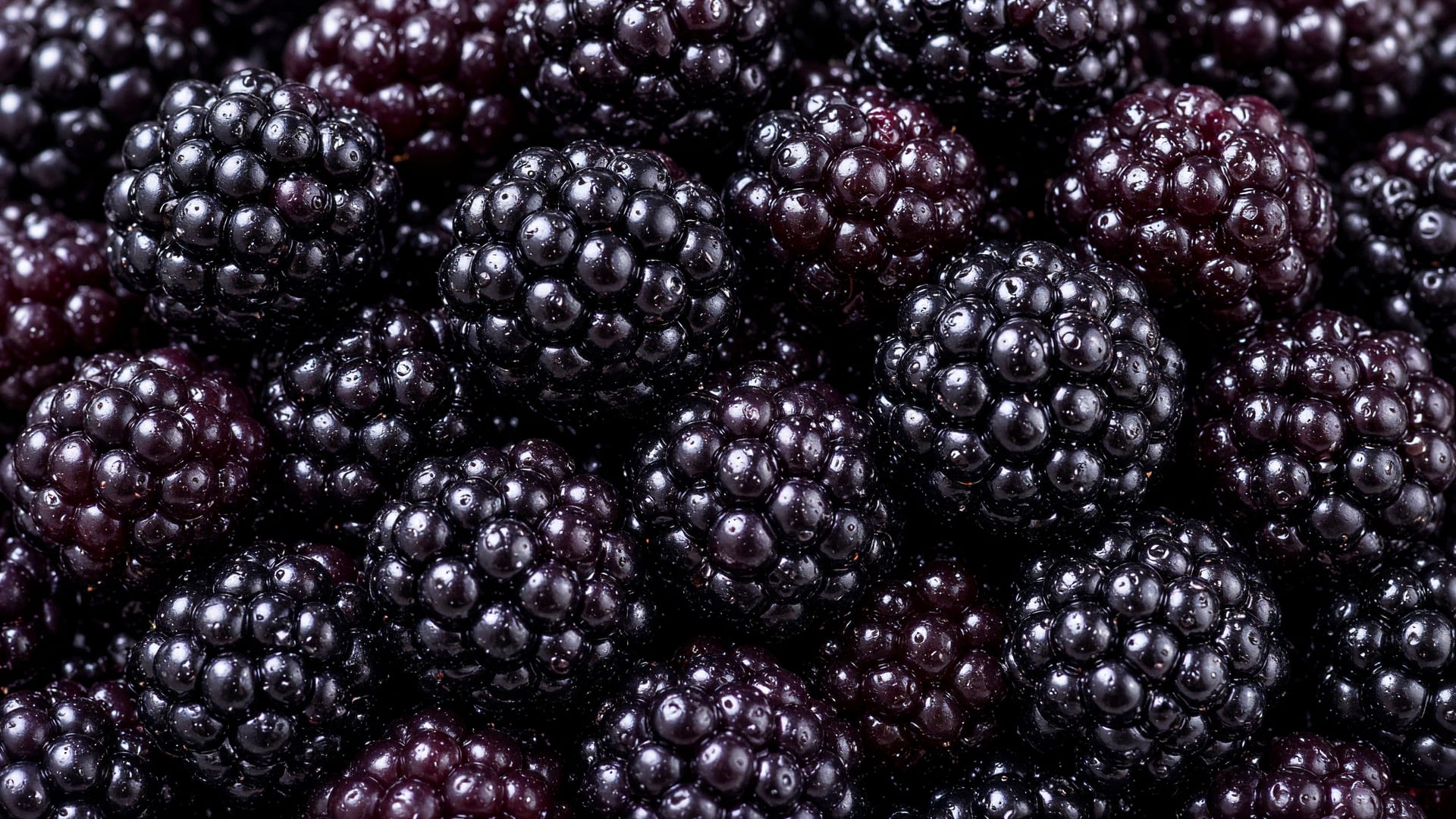
Blackberries — Wild Brambles, Cultivated Varieties, and the Case for Picking Your Own
Blackberries have fed humans for millennia, from wild hedgerow brambles to modern cultivated varieties, with complex taxonomy, diverse flavors, and strong arguments for foraging your own fruit.
 Farm Products
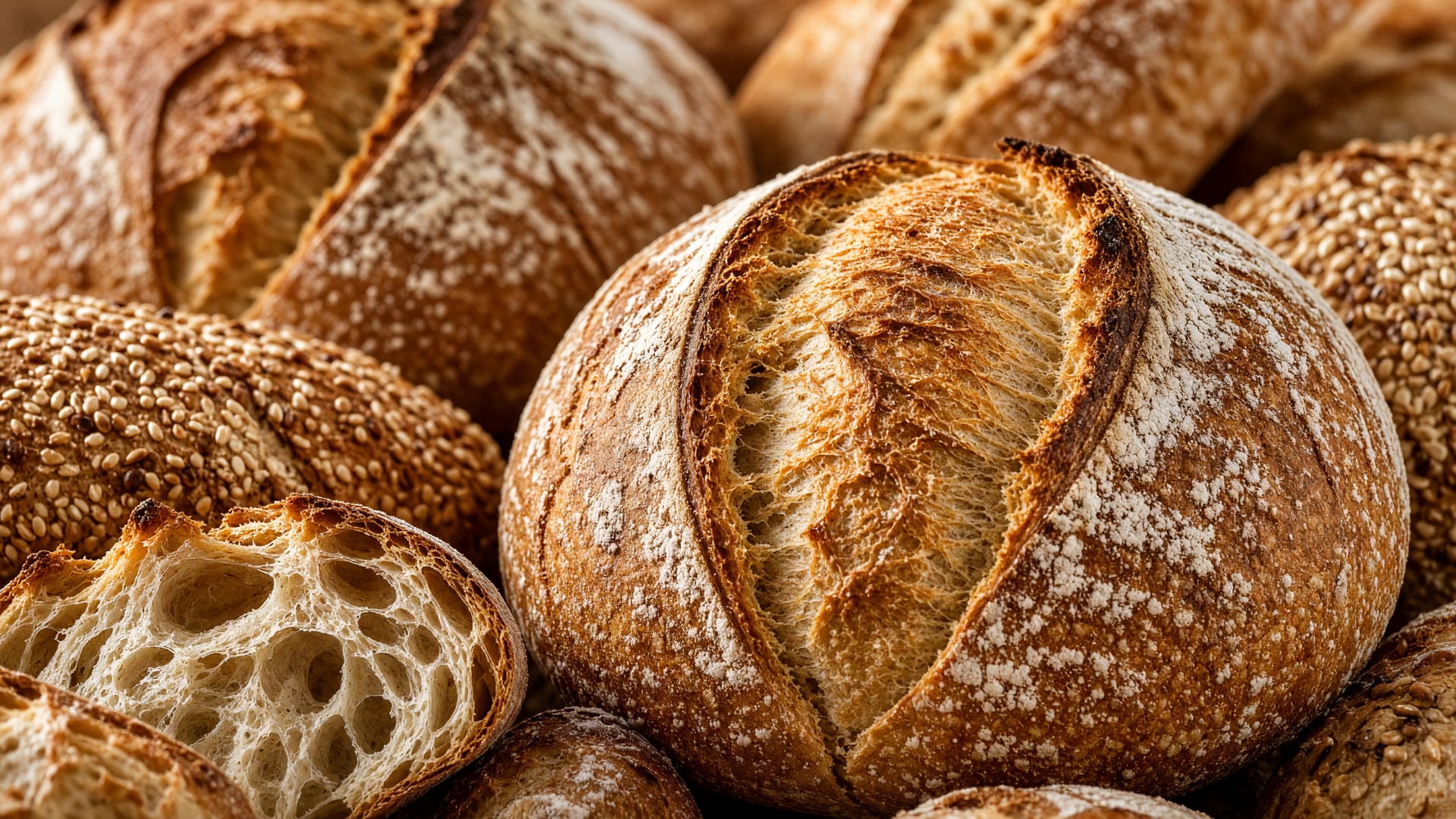
Bread — What Makes a Farm-Baked Loaf Different From Industrial Bread
Farm-baked bread differs from industrial bread through stone-milled whole grain flour, extended sourdough fermentation, heritage grain varieties, and traditional baking methods that prioritize nutrition and digestibility.
 Farm Products
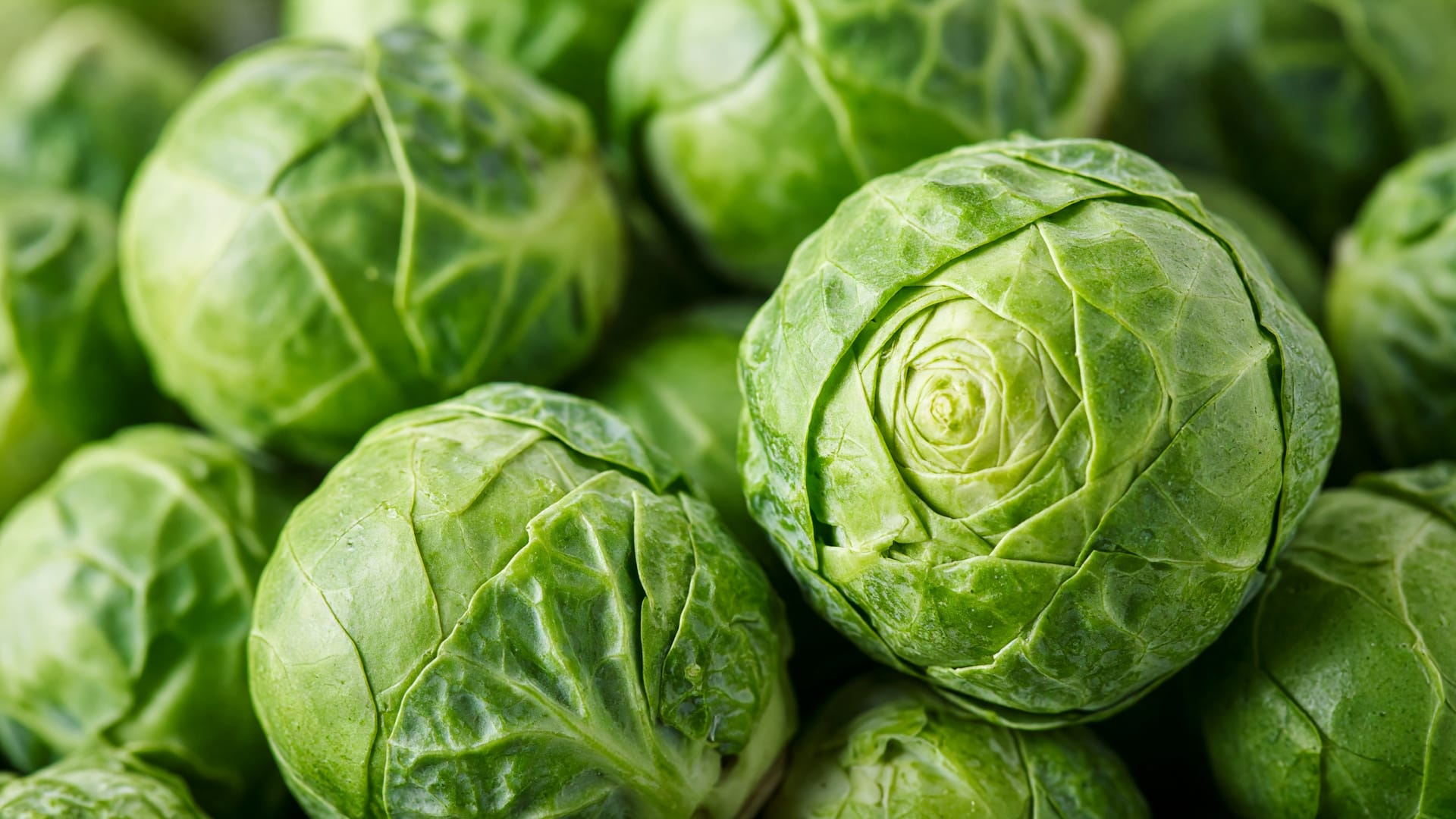
Brussels Sprouts — From Victorian Oddity to Farmers Market Favorite
Brussels sprouts evolved from ancient Roman vegetables to a refined Belgian crop, spread globally, and transformed from overcooked holiday staples to diverse farmers market favorites through improved cultivation and cooking methods.
 Farm Products
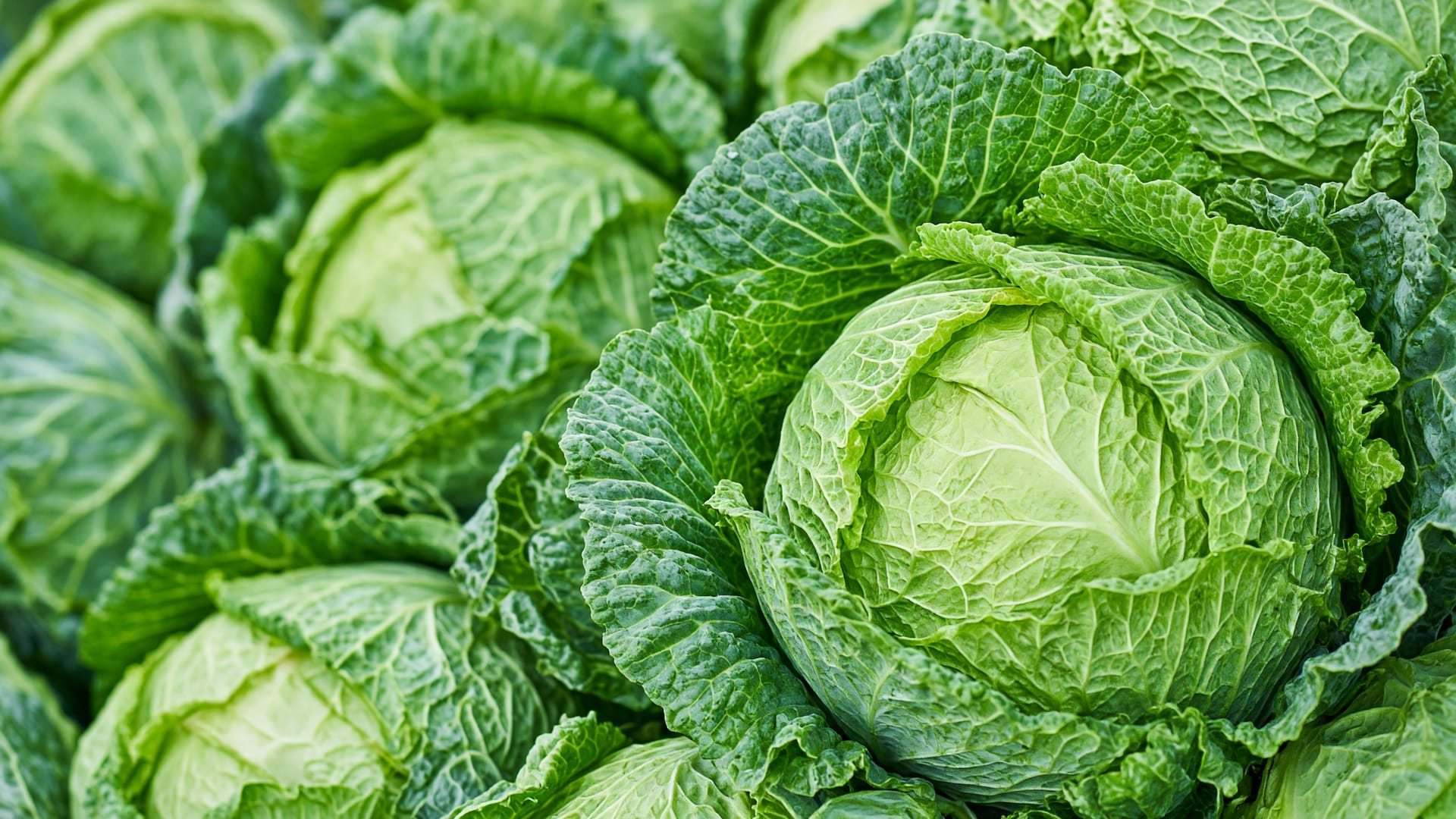
Cabbage — One of the World's Most Cultivated Vegetables and Its Many Forms
Cabbage has been cultivated for over four thousand years across continents, evolving from wild Mediterranean plants into diverse varieties including green, red, Savoy, and Napa types with distinct culinary uses.
 Farm Products
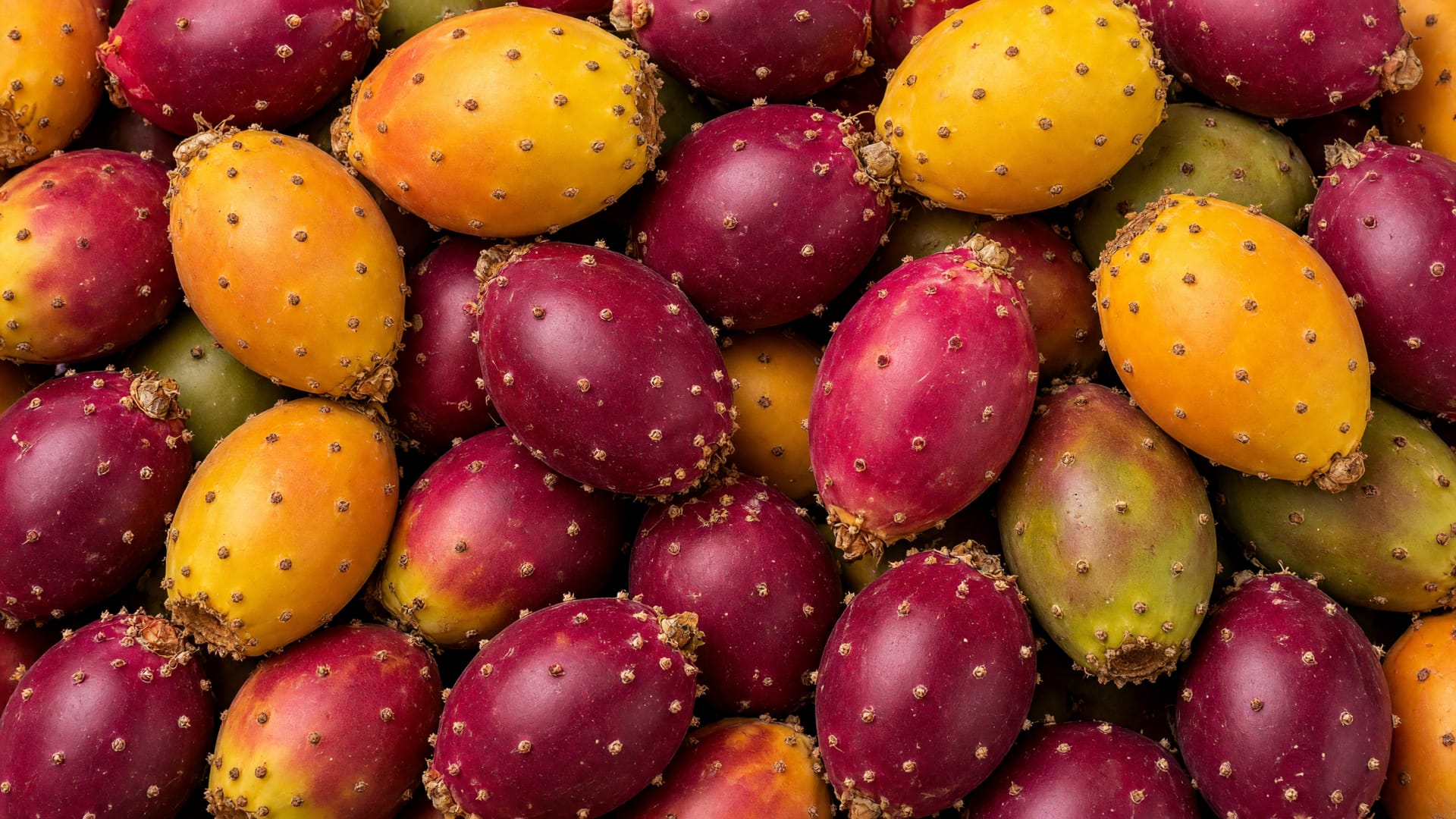
Cactus Fruit (Prickly Pear) — A Desert Treasure With Deep Cultural Roots
Prickly pear cactus fruit has nourished communities across the Americas for thousands of years, offering unique flavors, cultural significance, and sustainable food potential in changing climates.
 Farm Products
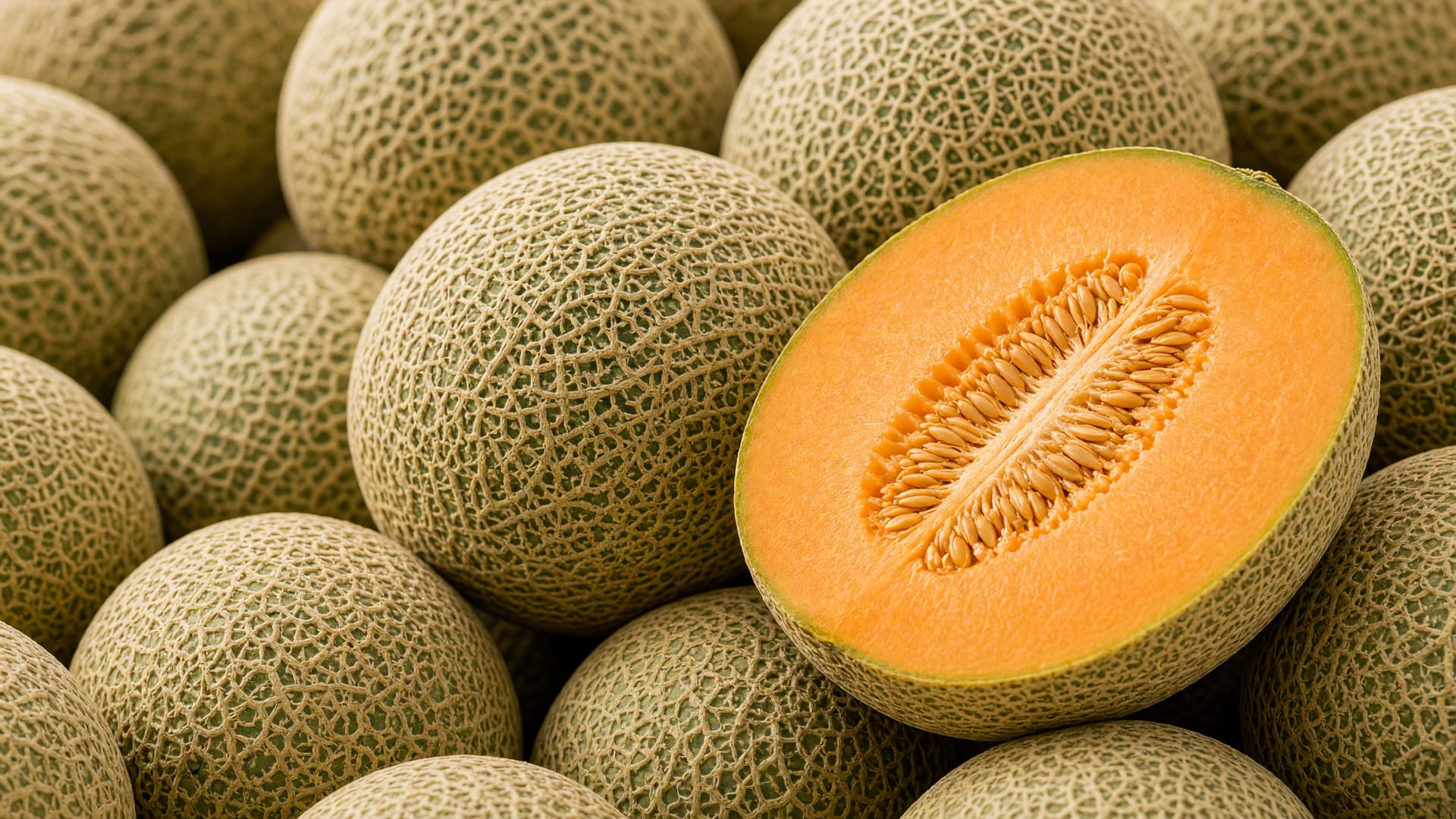
Cantaloupe — Varieties, Peak Season, and How to Choose a Perfectly Ripe One
This guide explains the difference between true European cantaloupes and North American muskmelons, covers popular varieties like Hale's Best and Charentais, and provides detailed tips for selecting perfectly ripe melons.
 Farm Products
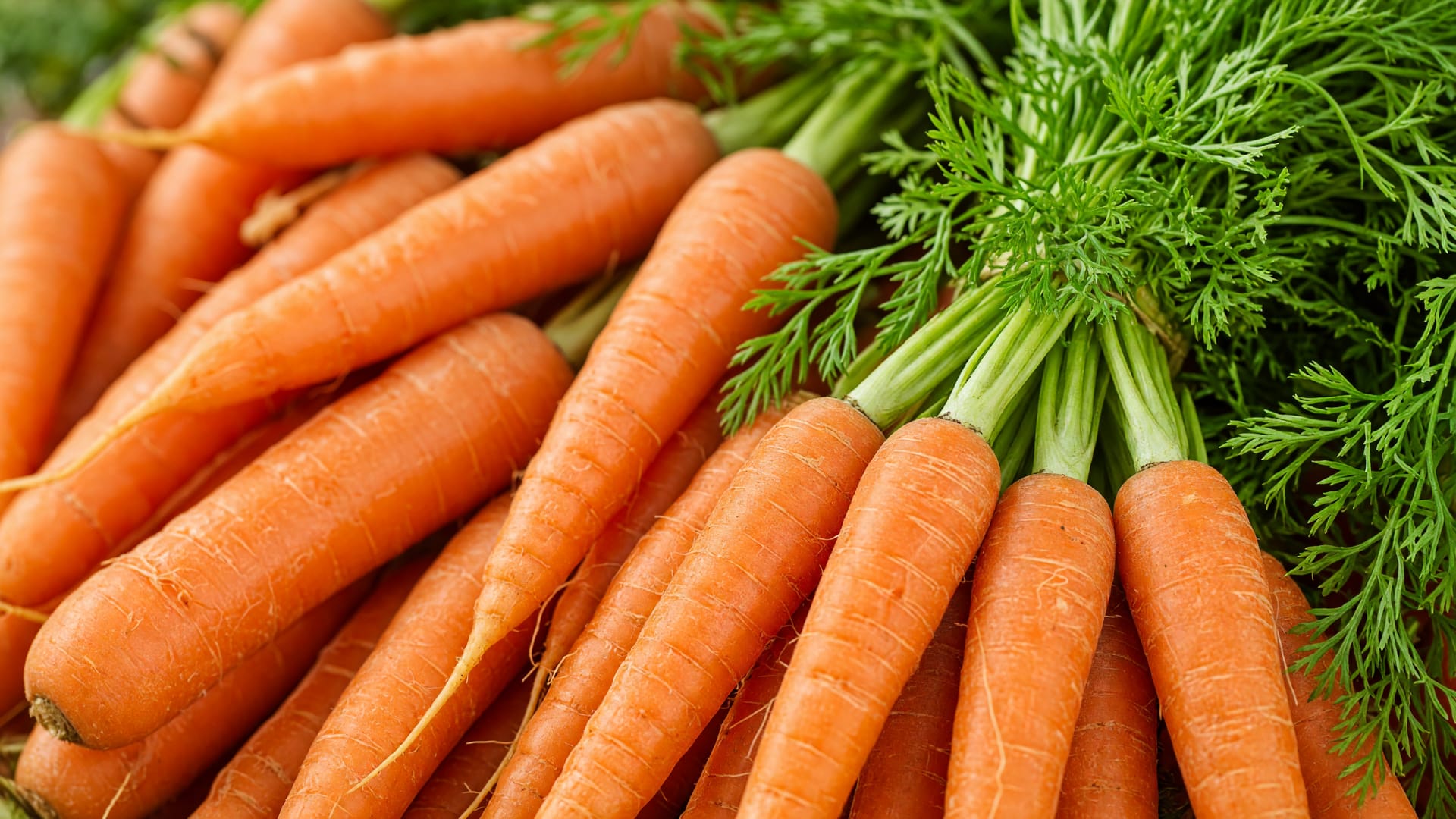
Carrots — From Purple Roots to Orange Icons: A Complete Guide
This comprehensive guide explores the carrot's evolution from wild purple Central Asian roots to modern orange varieties, covering heirloom types, shape classifications, cultivation history, and culinary properties across different carrot colors.
 Farm Products
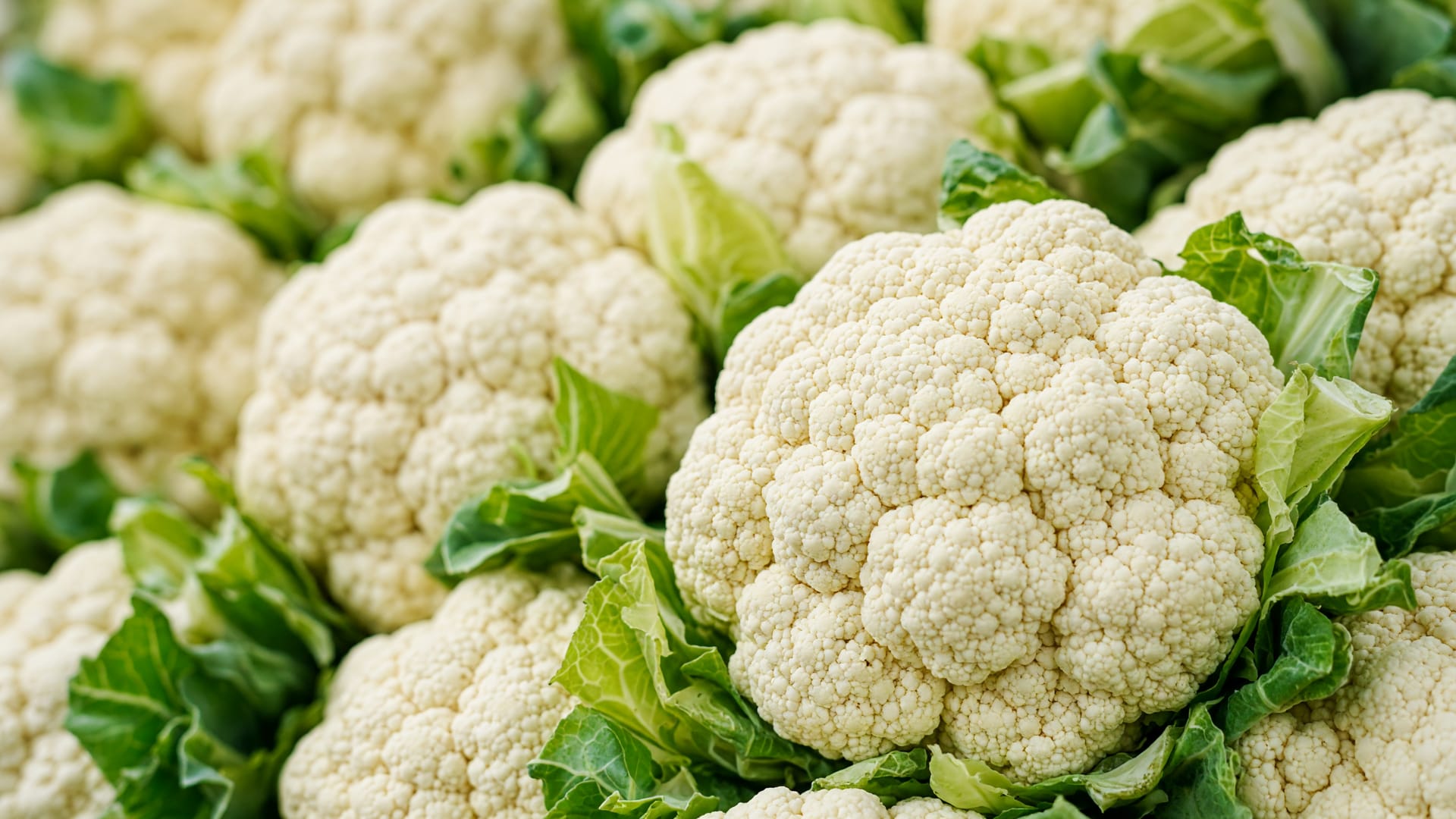
Cauliflower — The Versatile Brassica That Comes in More Colors Than You Think
Cauliflower evolved from wild Mediterranean cabbage through centuries of selective breeding, now available in white, orange, purple, and green varieties with distinct nutritional profiles and culinary applications.
 Farm Products
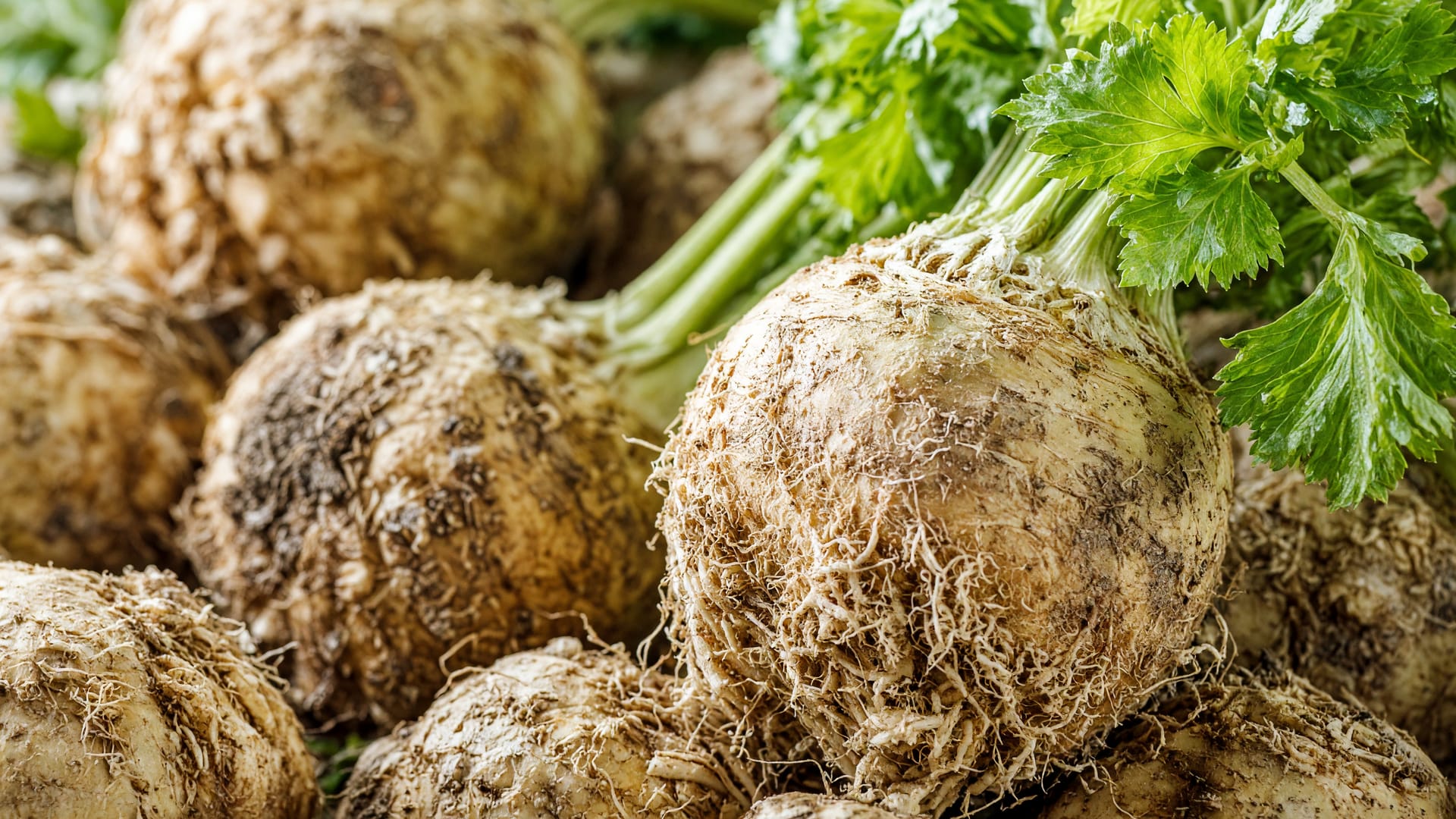
Celeriac — The Underrated Root You Should Be Buying at the Farmers Market
Celeriac, also called celery root, is a versatile winter vegetable with earthy celery flavor that transforms from crisp when raw to creamy when cooked, deserving wider recognition in American kitchens.
 Farm Products
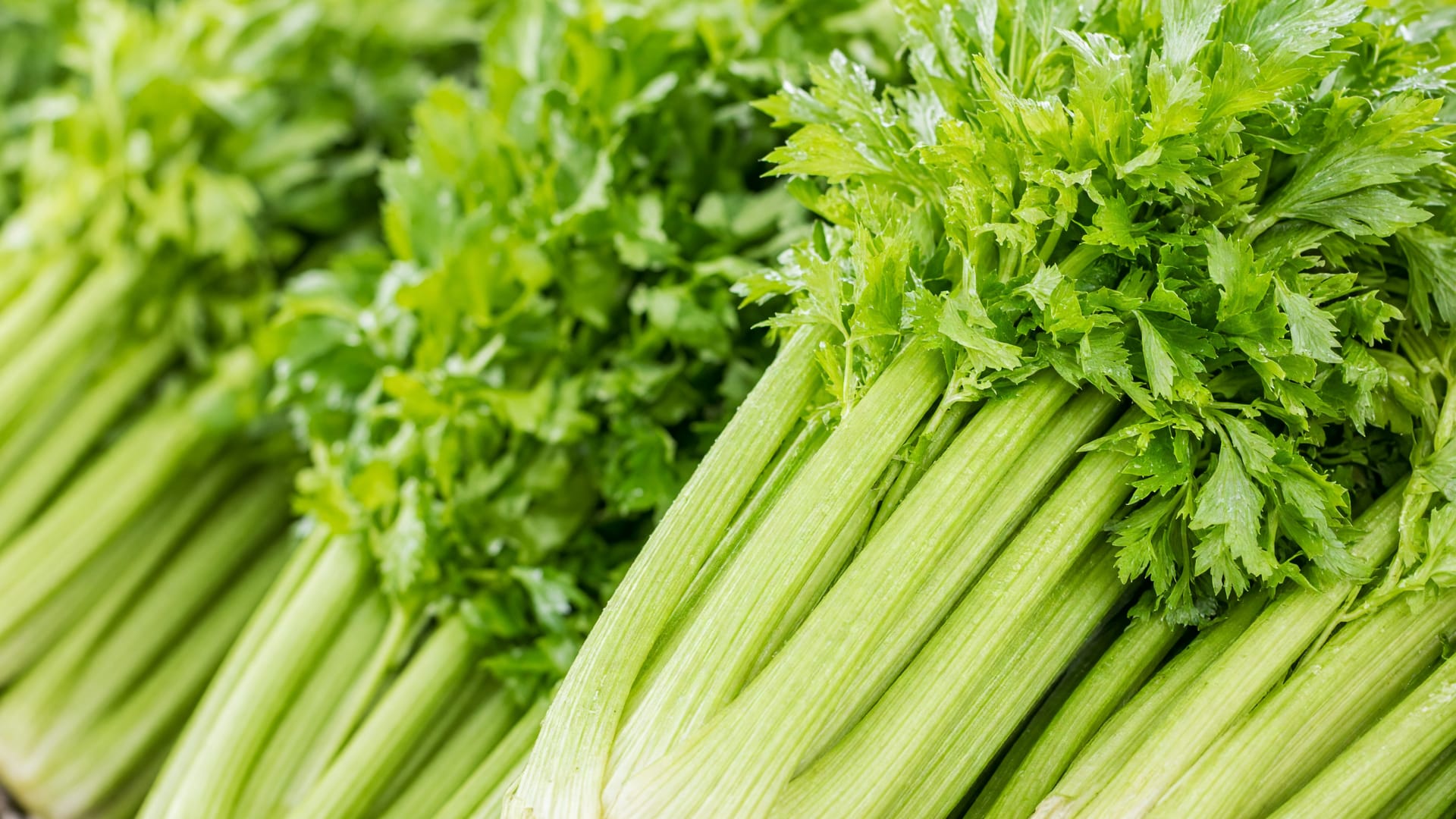
Celery — More Interesting Than Its Reputation Suggests
Celery evolved from a bitter Mediterranean marsh plant used medicinally by ancient cultures into the mild, crisp vegetable we know through centuries of selective breeding by European gardeners.
 Farm Products
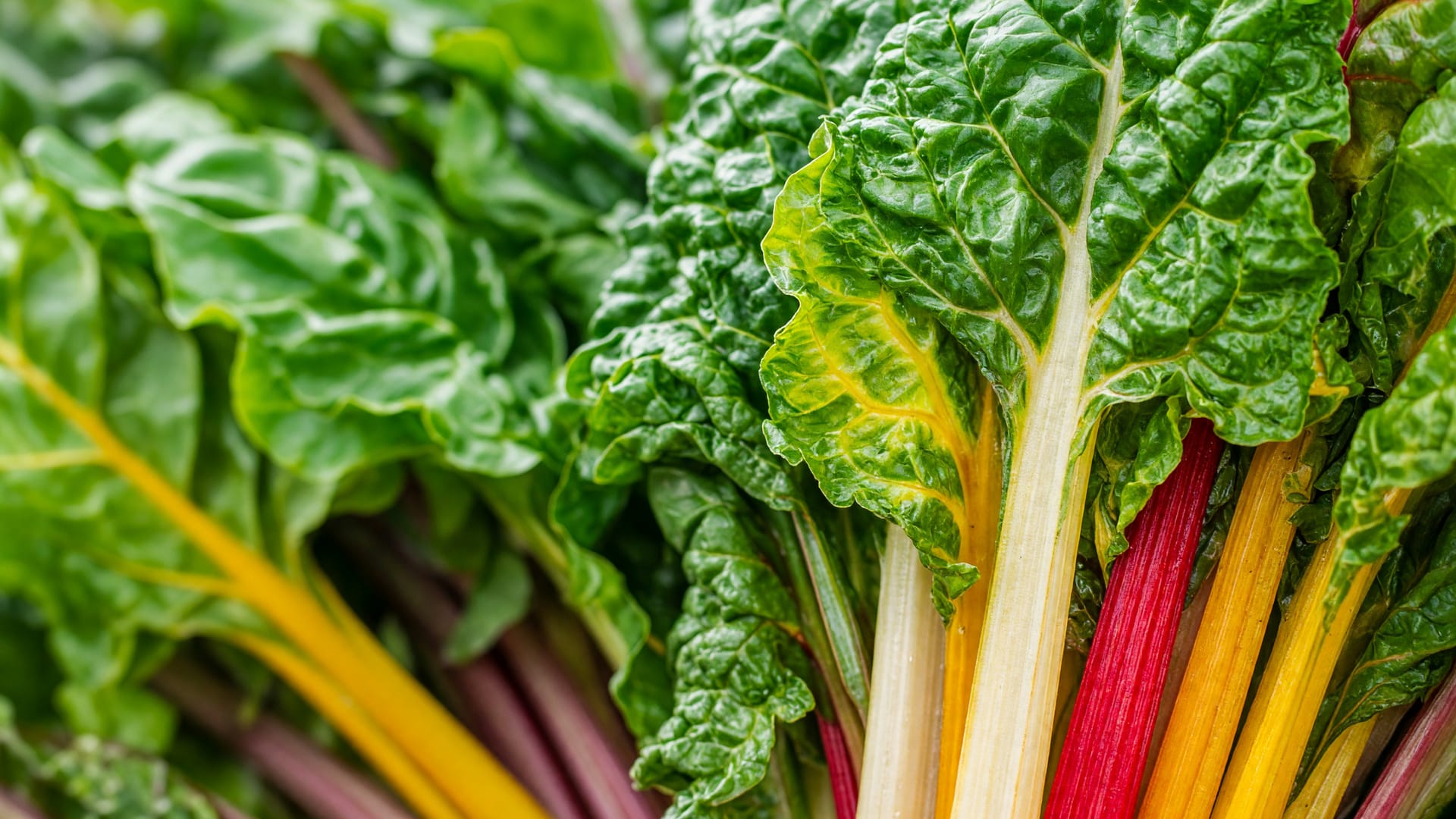
Chard — Swiss Chard's History, Colors, and Uses From Farm to Table
Swiss chard, despite its misleading name, originated in the Mediterranean over 2,000 years ago and comes in multiple colorful varieties with distinct flavors and culinary uses across different cultures.
 Farm Products
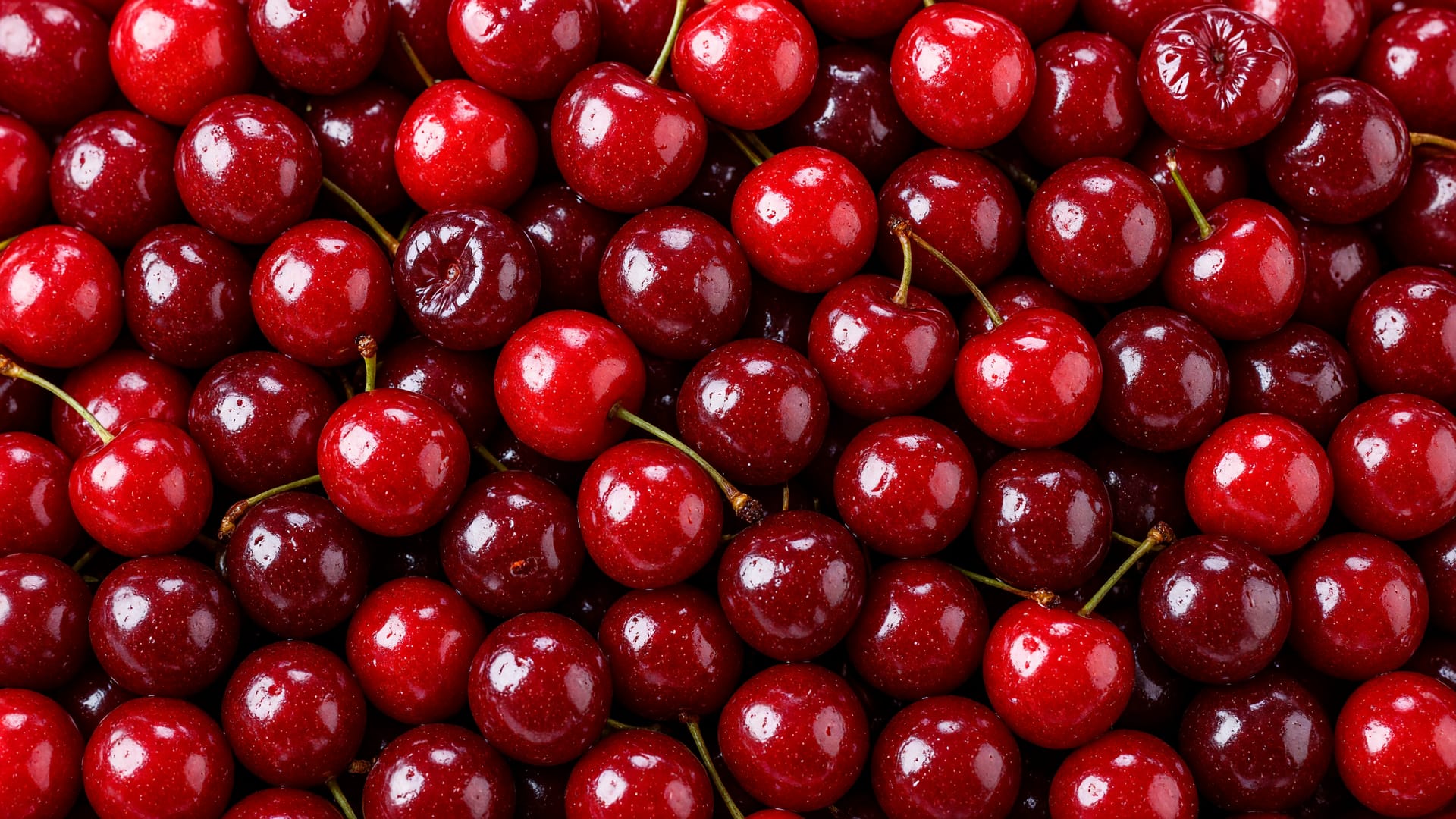
Cherries — Sweet vs Sour, Wild vs Cultivated, and the Art of Getting Them at Peak
This article explores the botanical differences between sweet and sour cherry species, their historical cultivation from ancient times, regional growing conditions, harvest timing, and culinary applications for various cherry varieties.
 Farm Products
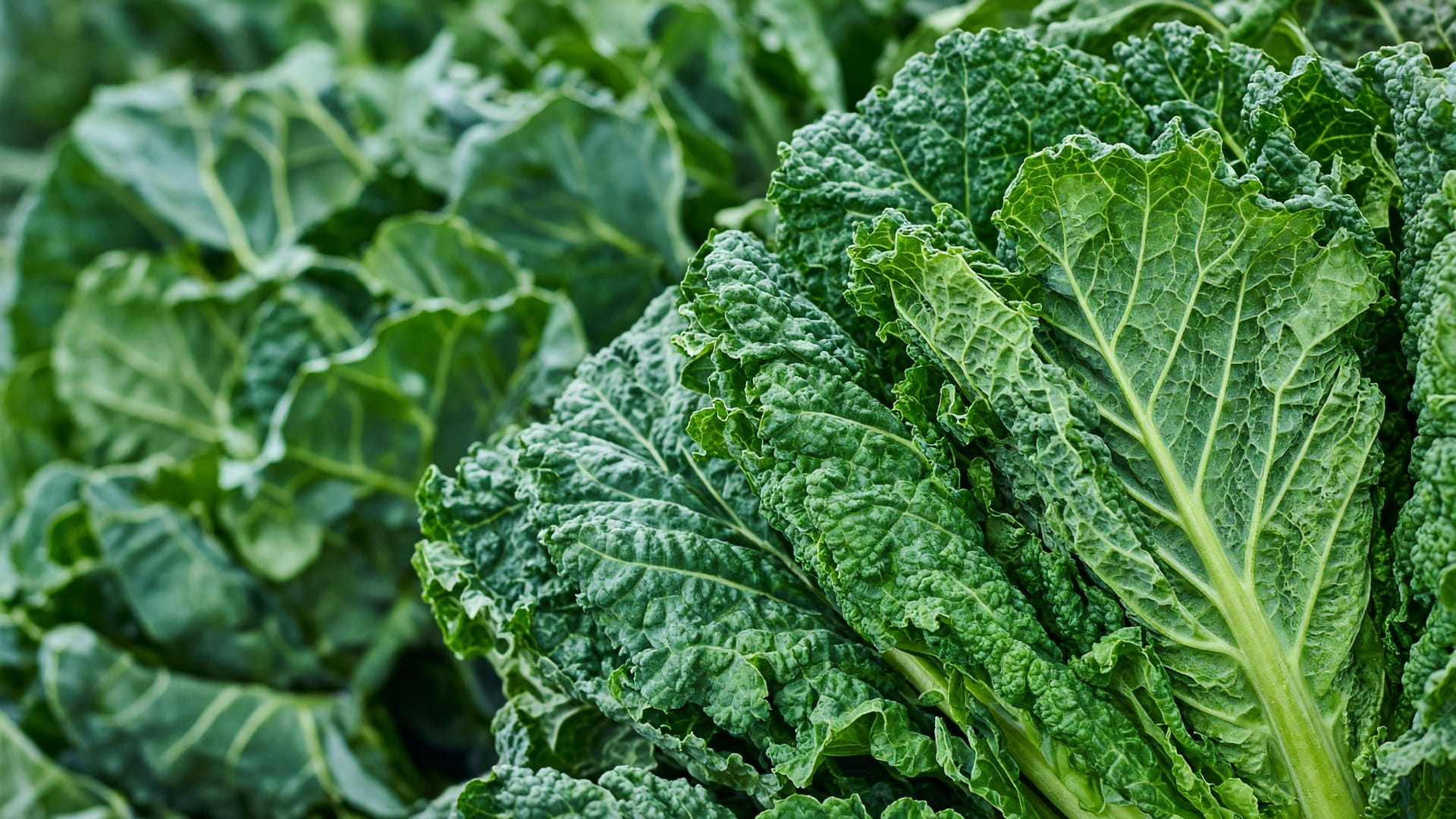
Collard Greens — A Foundational Southern Green With Ancient Roots
Collard greens trace back to ancient Mediterranean cultivation, became foundational in Southern African American cuisine through enslaved people's culinary traditions, and exist in distinct varieties with unique characteristics.
 Farm Products
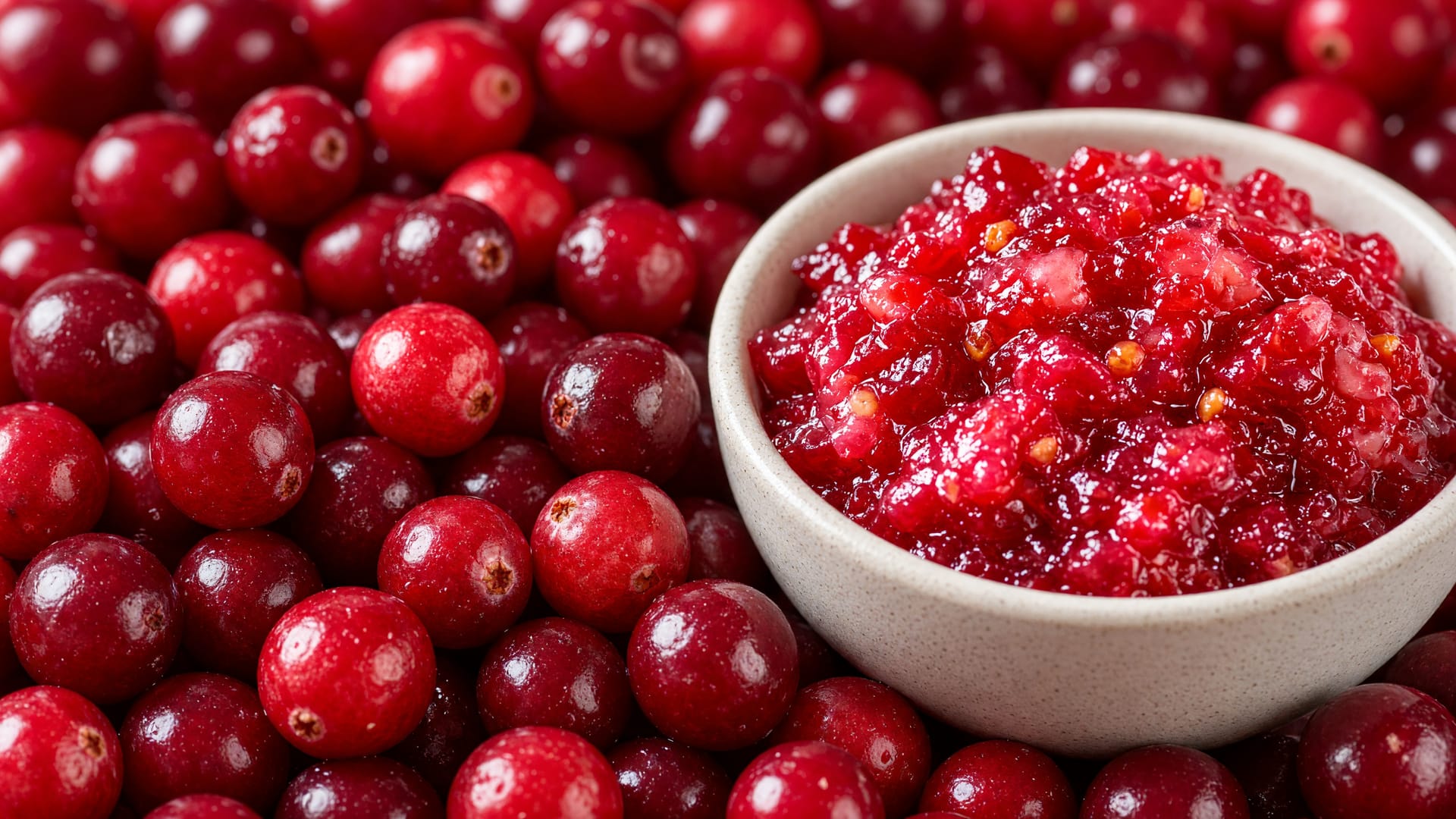
Cranberries — From Bog to Table: The History and Uses of America's Native Berry
Cranberries are one of three commercially important fruits native to North America, with deep Indigenous roots and modern cultivation methods ranging from wet harvesting to diverse commercial varieties.
 Farm Products
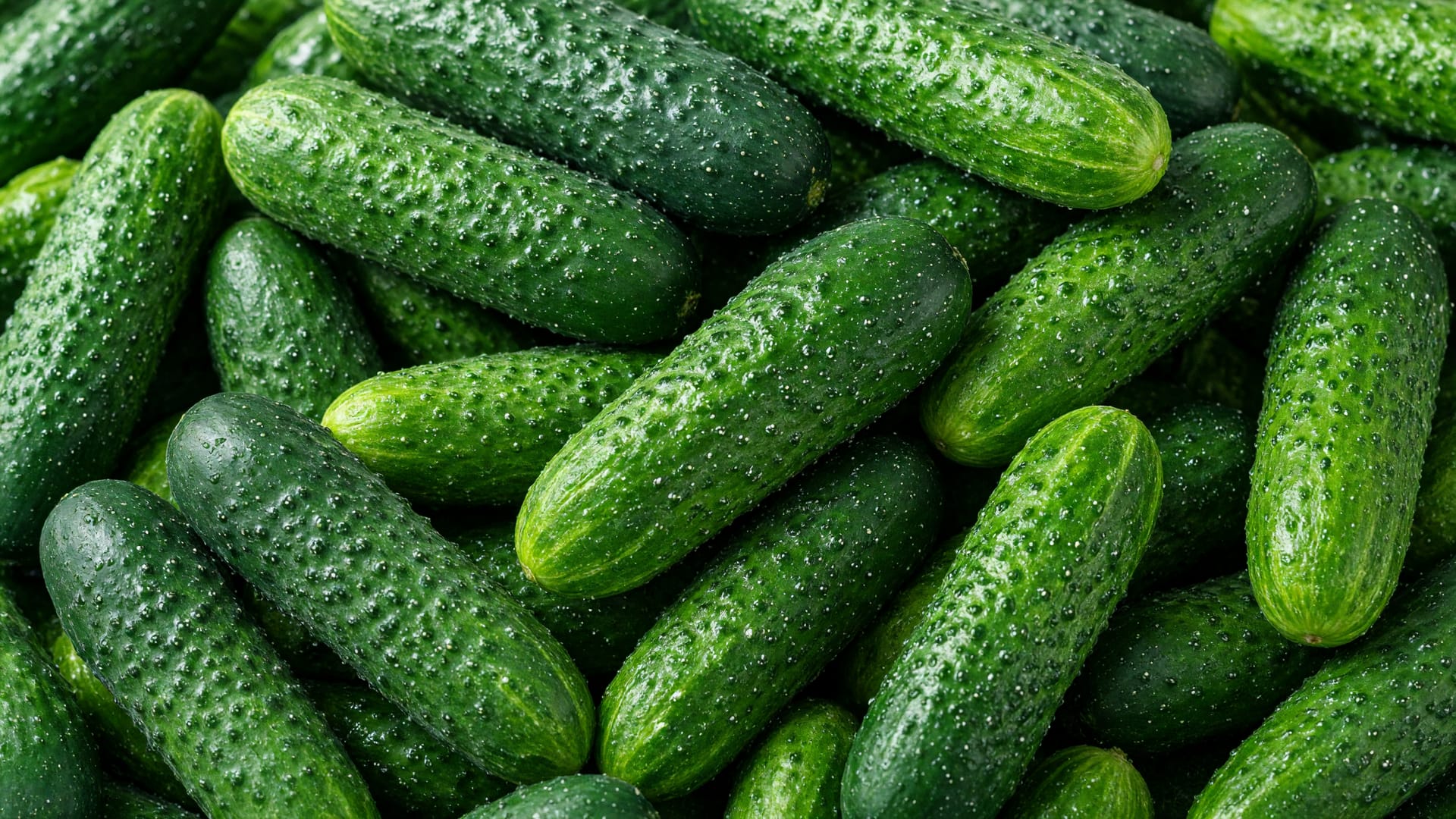
Cucumbers — Cool, Crisp, and More Varied Than You Know
This article explores cucumber history from ancient cultivation in India through diverse modern varieties including slicing, pickling, English, Japanese, Armenian, and Persian types with their unique characteristics.
 Farm Products
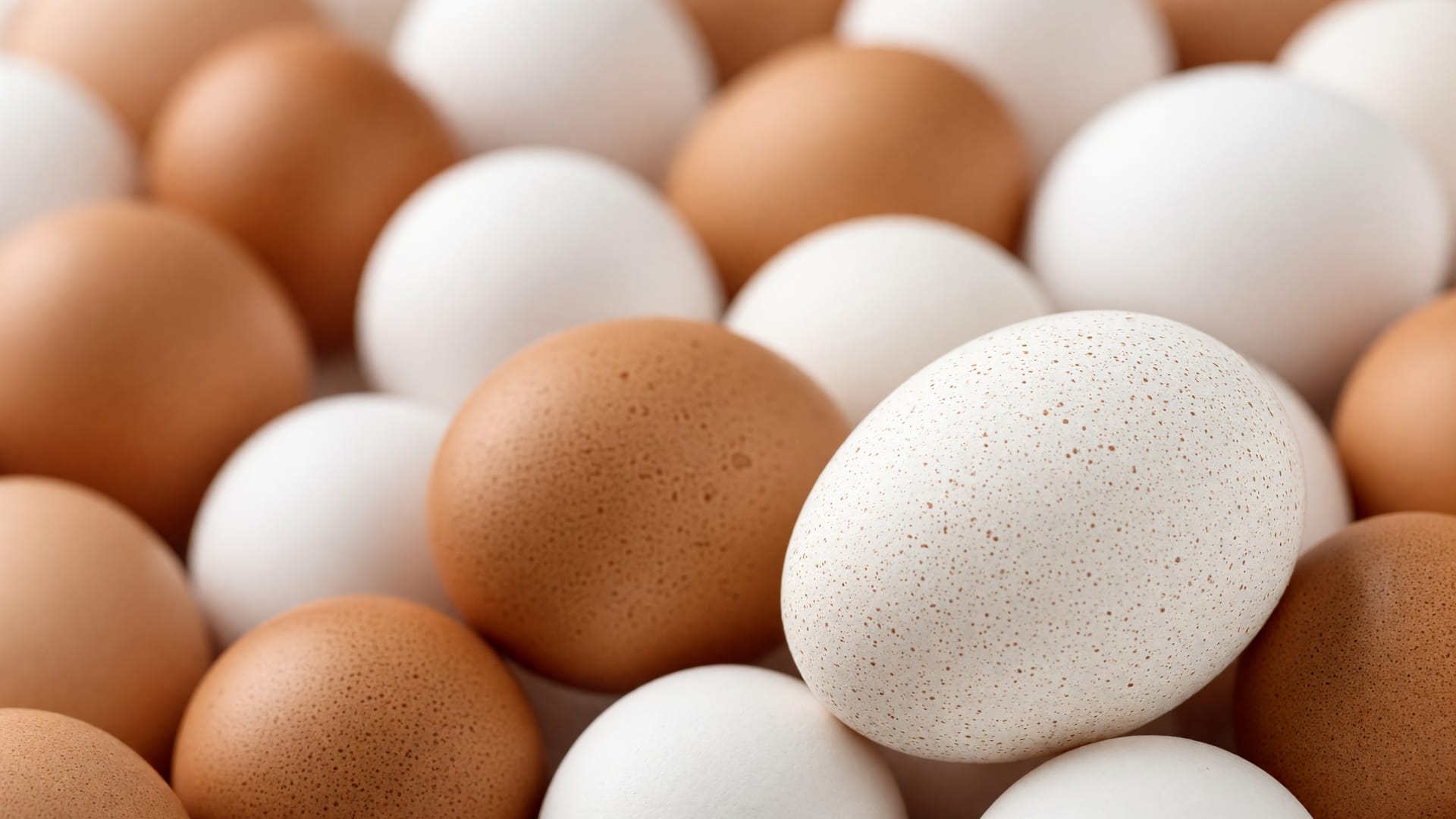
Eggs — The Complete Guide to Understanding What You're Actually Buying
This comprehensive guide explains egg production biology, chicken breeds, farming systems, nutritional differences, labeling regulations, and practical selection tips to help consumers make informed purchasing decisions.
 Farm Products
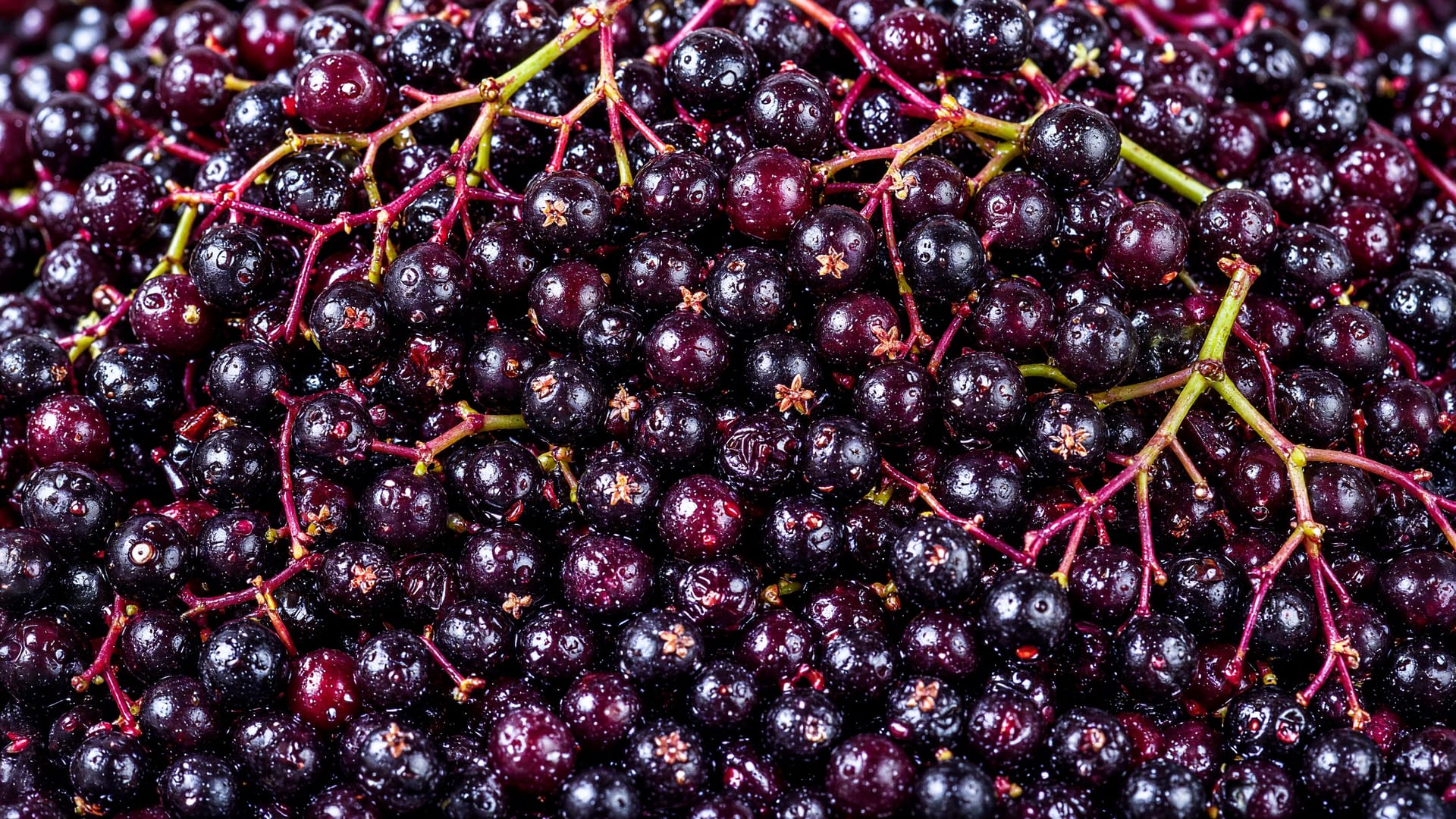
Elderberries — From Hedgerow Medicine to Farmers Market Favorite
Elderberries have served as food and medicine for millennia, but proper identification and thorough cooking are essential since raw berries contain toxic compounds that heat safely destroys.
 Farm Products
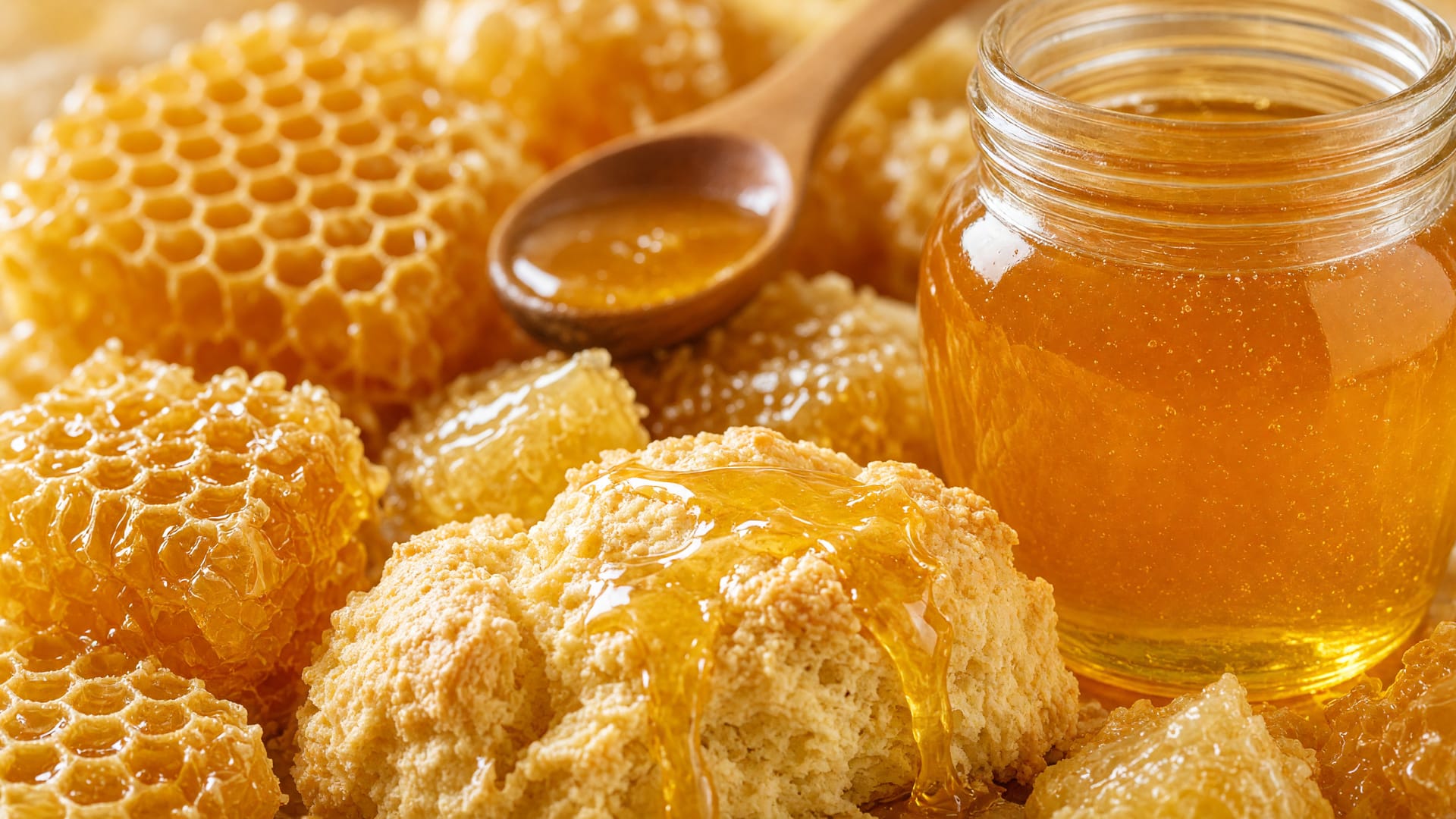
Farm-Fresh Honey — How to Buy It, What the Labels Mean, and Why It Tastes Different
This article explains honey labeling terms, USDA grading standards, the difference between raw and processed honey, and how to verify quality when purchasing from stores or beekeepers.
 Farm Products
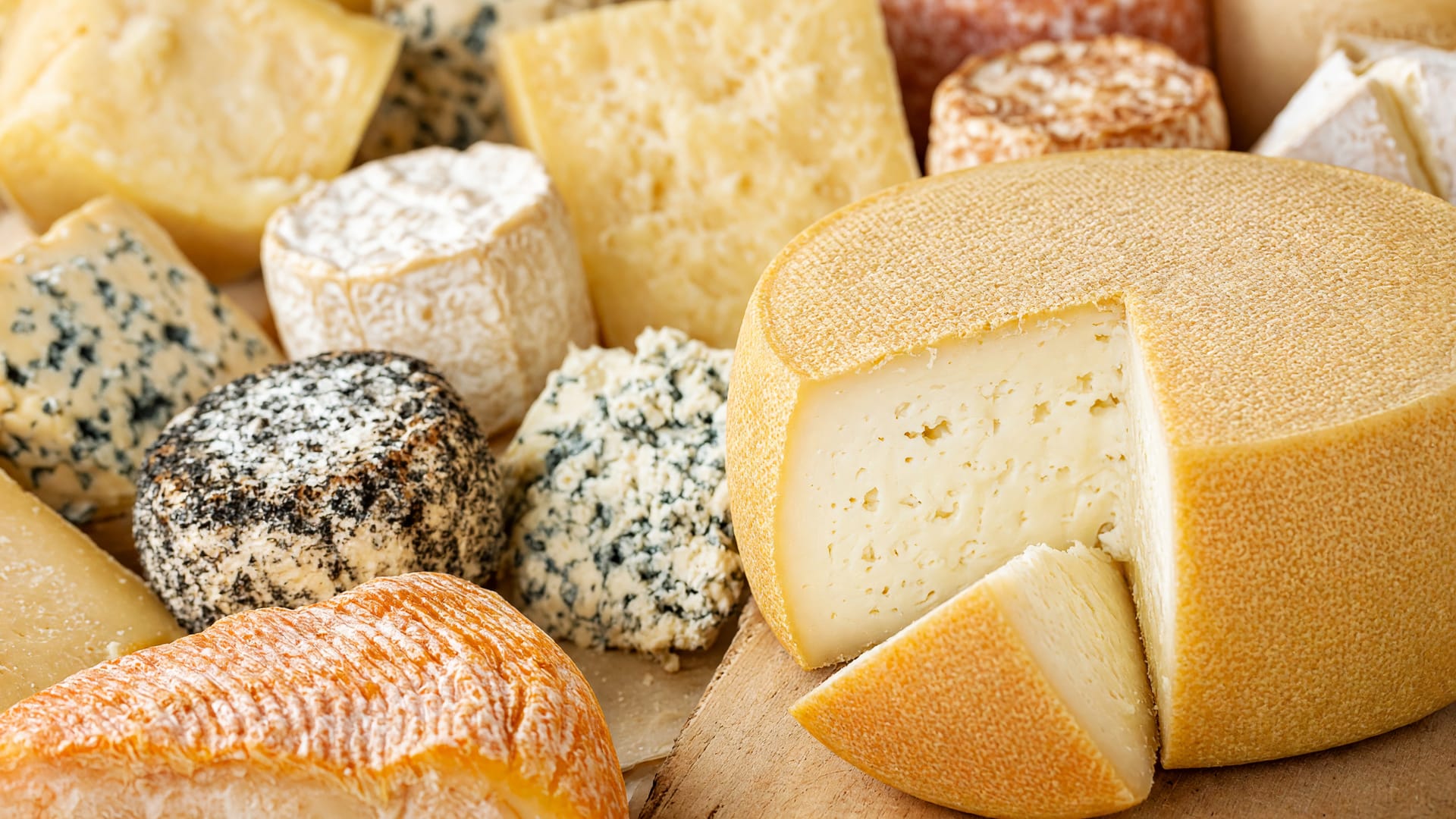
Farmstead Cheese Explained — What It Is, How It's Made, and How to Find It
Farmstead cheese is made exclusively from milk of animals raised on the same farm, creating unique flavors reflecting specific land, seasons, and farming practices.
 Farm Products
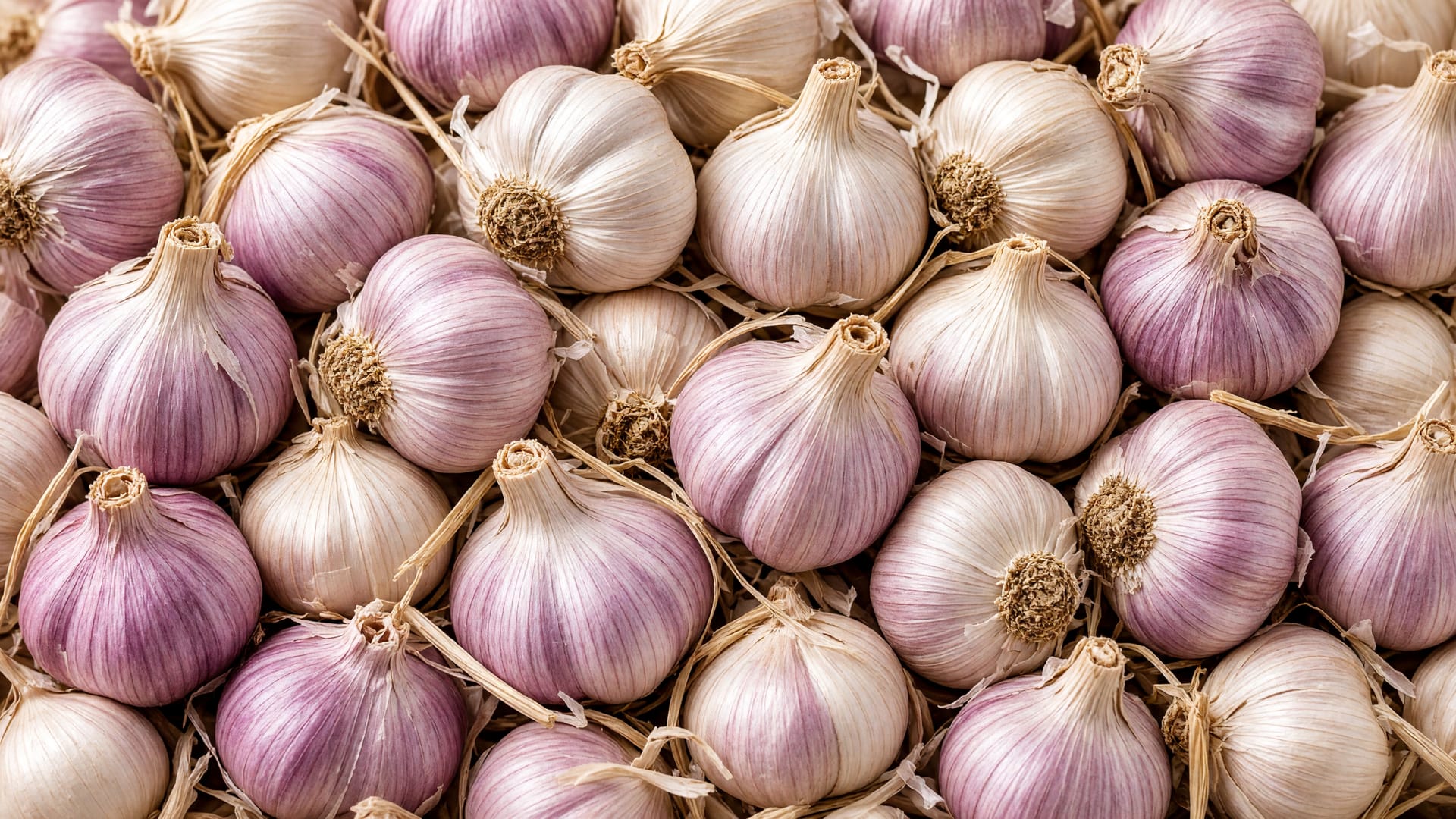
Garlic — Humanity's Most Beloved Pungent Bulb
Garlic has shaped human history for millennia, yet most people know only bland commercial varieties; understanding hardneck versus softneck types reveals diverse flavor profiles and culinary possibilities.
 Farm Products
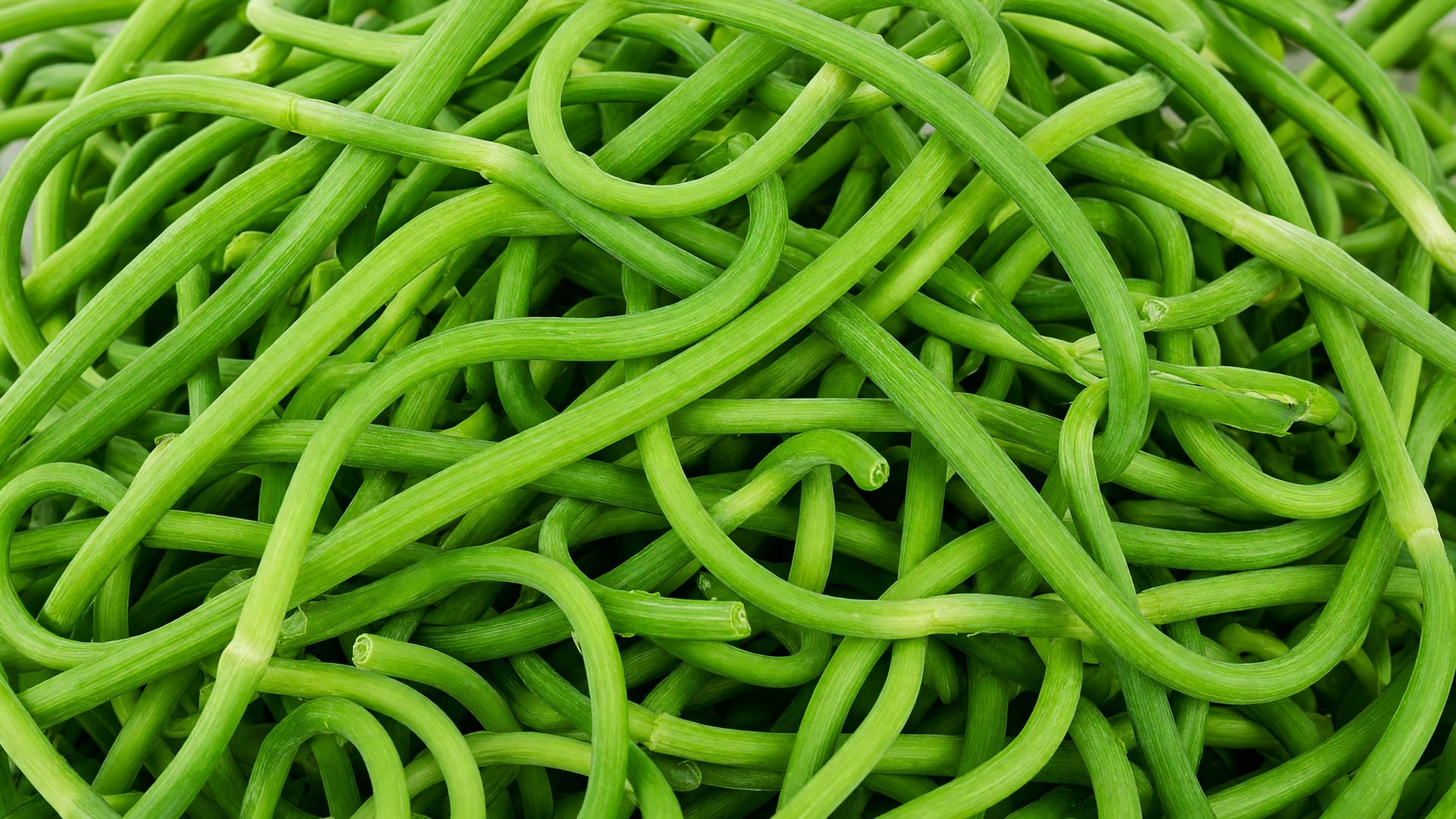
Garlic Scapes — The Spring Treat That Only Small Farms Offer
Garlic scapes are seasonal flower stalks from hardneck garlic, available only at farmers markets for a few weeks each spring, prized for their mild garlic flavor and culinary versatility.
 Farm Products
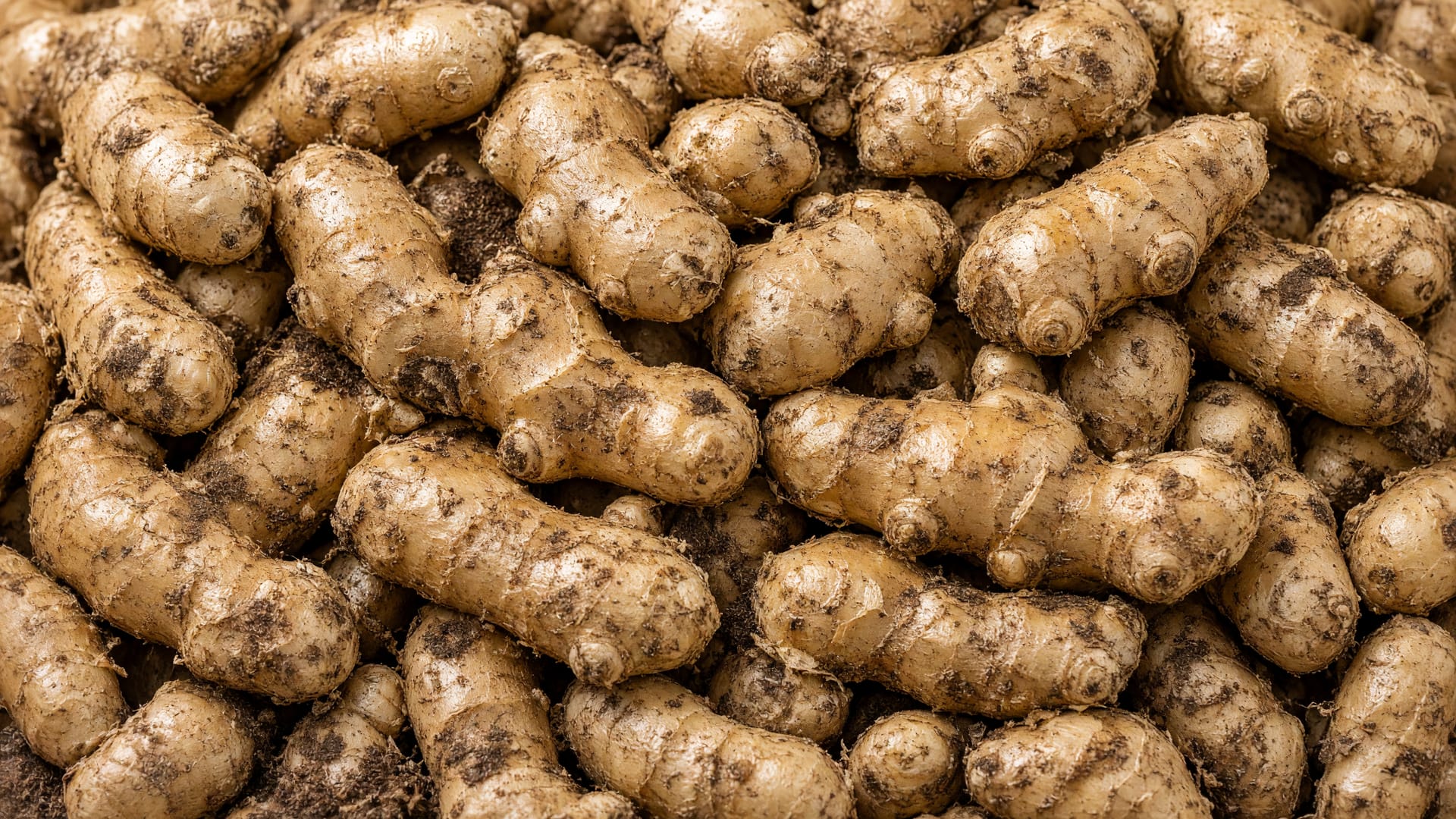
Ginger — The Rhizome That Changed the World's Cuisines
Ginger's five-thousand-year journey from Southeast Asian rhizome to global culinary staple involved spice routes, chemical transformations, and diverse varieties with distinct flavors and uses.
 Farm Products
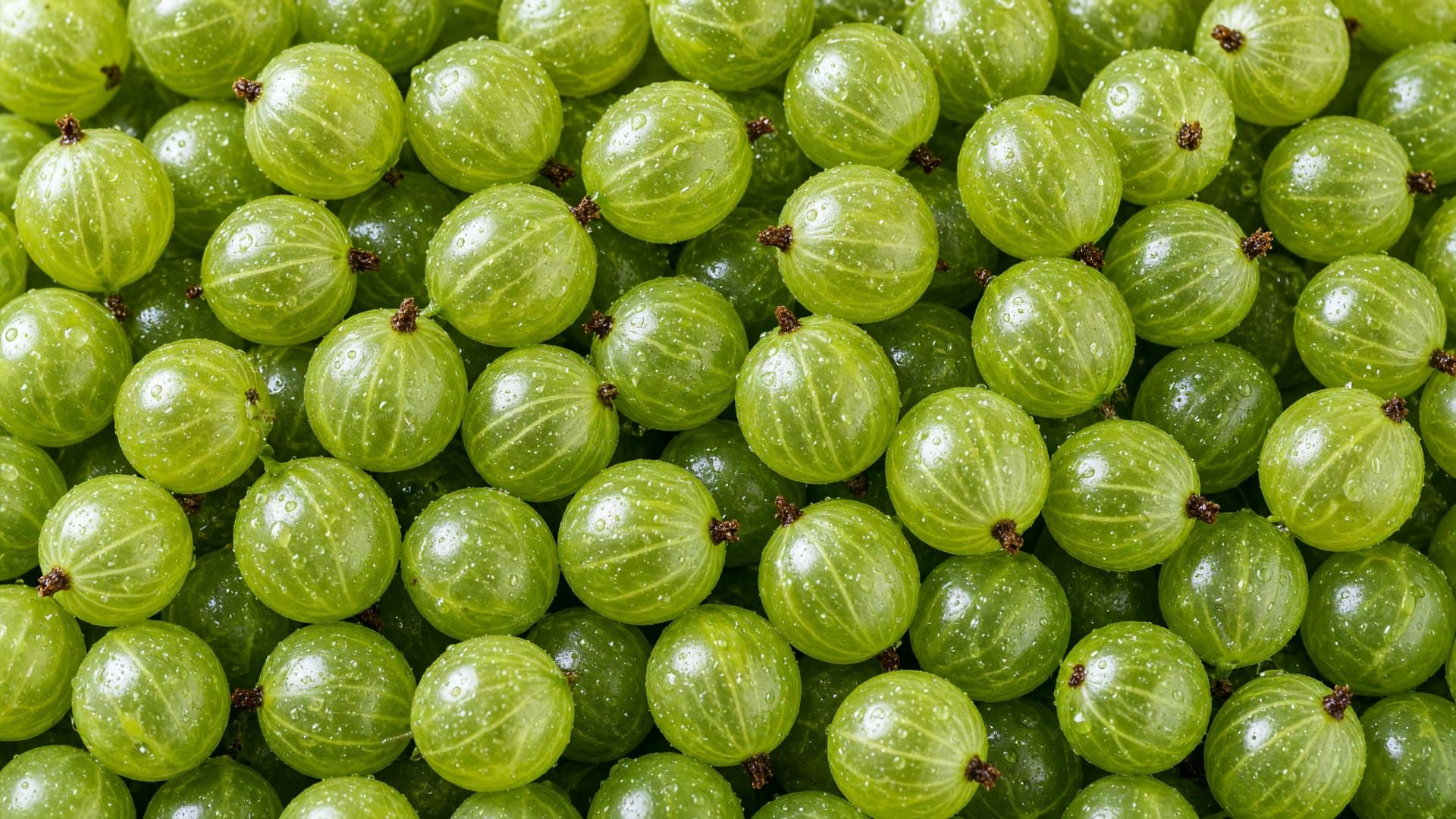
Gooseberries and Ground Cherries — Two Underdog Fruits Worth Discovering
Ground cherries and gooseberries are uncommon fruits found at specialty markets, offering unique tropical and tart flavors ideal for desserts, preserves, and culinary experimentation beyond conventional produce.
 Farm Products
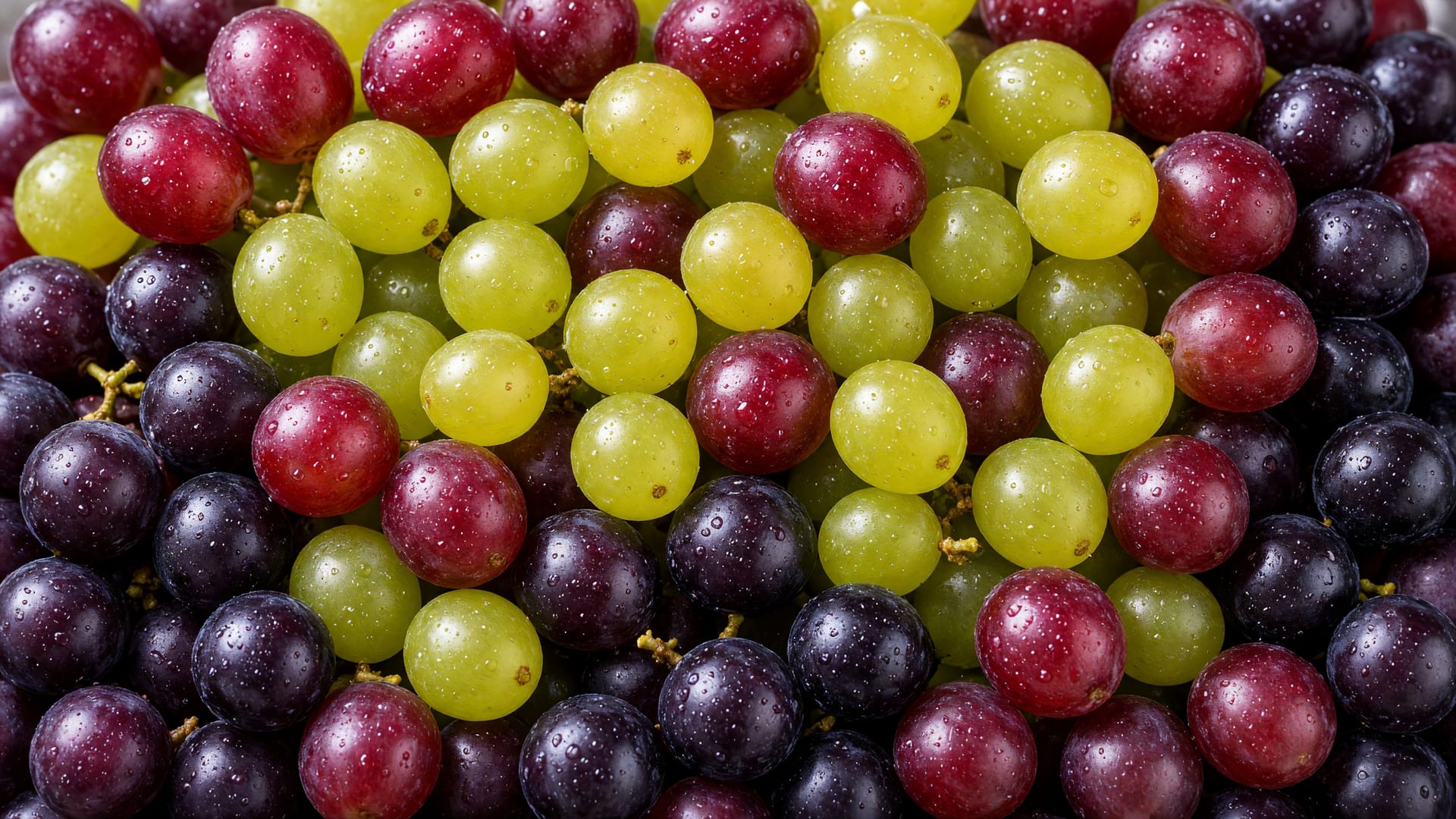
Grapes — From Wild Vines to Table Varieties Worth Seeking at the Farm Stand
This article explores grapes from ancient domestication to modern varieties, explaining differences between wine, table, and juice grapes while highlighting unique farm-stand cultivars unavailable in supermarkets.
- Farm Products
Honey — A Complete Guide to What You're Really Buying at the Farm Stand
This comprehensive guide explores honey production by bees, its unique preservation chemistry, differences between raw and processed varieties, and how floral sources determine flavor profiles and characteristics.
 Farm Products
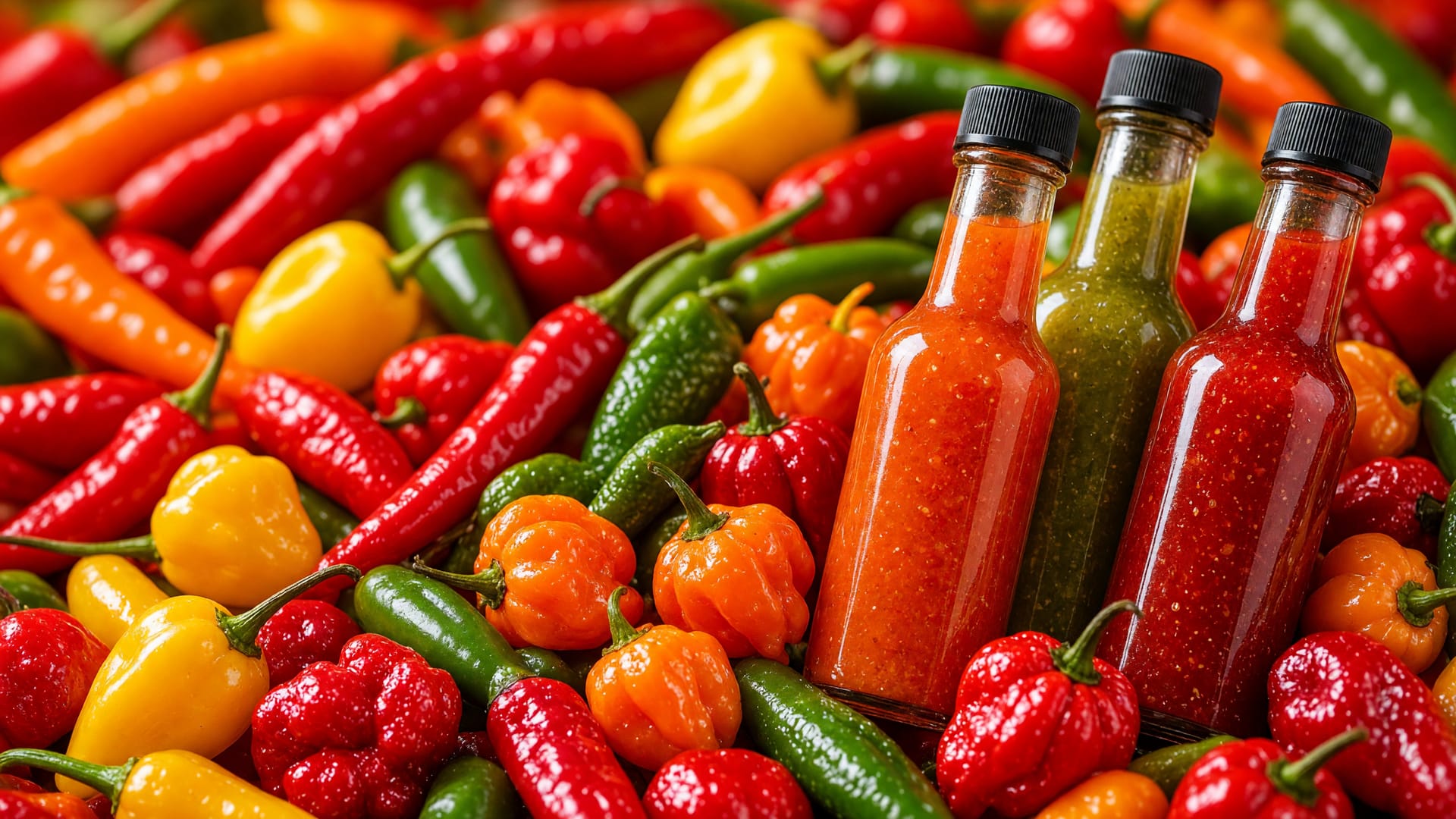
Hot Sauce — The Fermented and Fresh Pepper Sauces Worth Buying From Small Producers
Small-scale hot sauce producers consistently outperform factory operations by fermenting peppers in barrels, carefully selecting ripe varieties, and creating both aged Louisiana-style and fresh sauces with superior flavor complexity.
 Farm Products
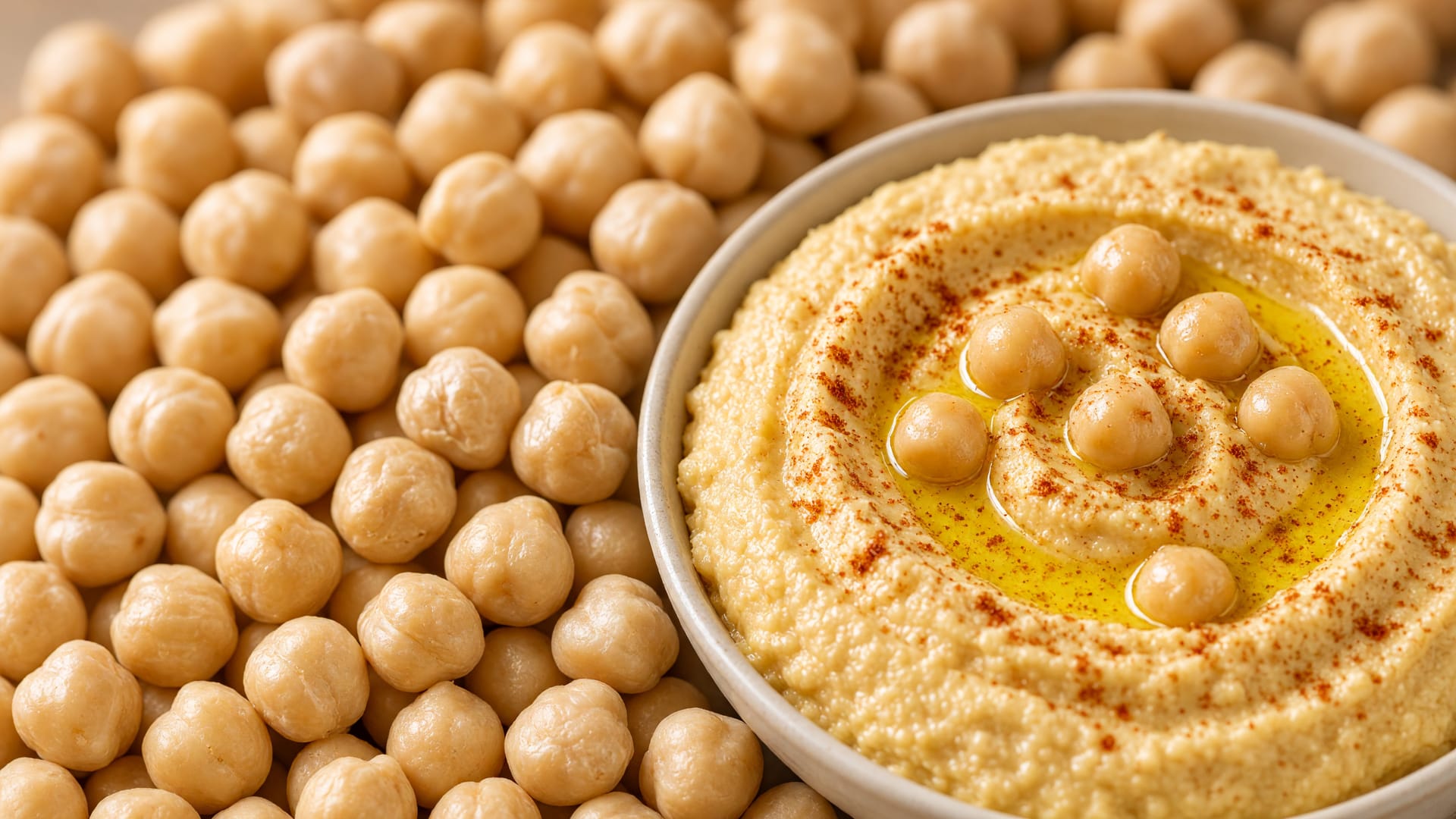
Hummus and Farm-Made Dips — The Growing World of Farm-Kitchen Prepared Foods
Farm-made hummus and dips sold at farmers markets represent small-batch alternatives to mass-produced versions, showcasing traditional preparation methods, quality ingredients, and the broader growth of farm kitchen prepared foods.
 Farm Products
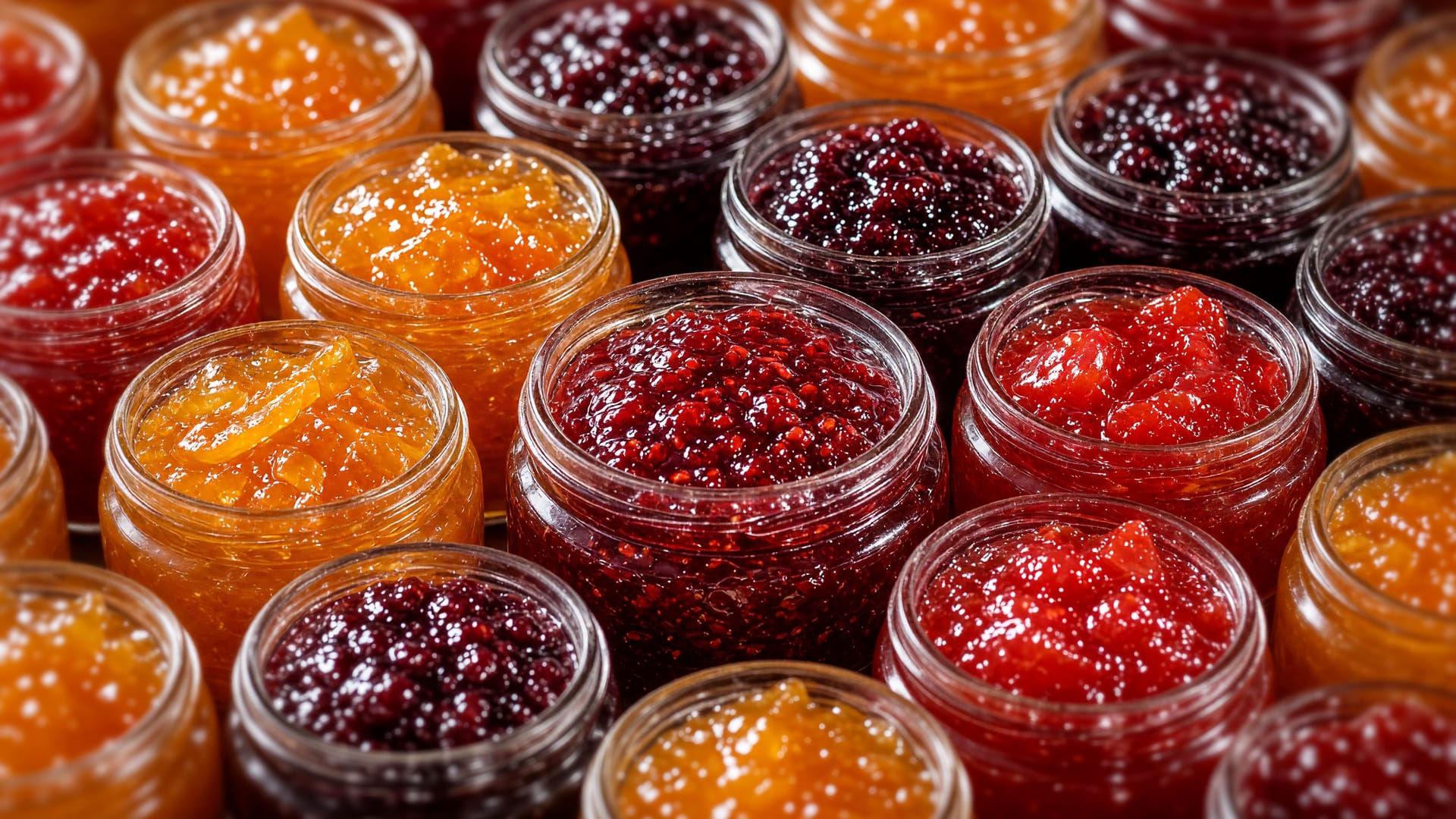
Jams, Preserves, and Fruit Butters — What Small Farms Make and How to Evaluate Quality
This article explains the technical differences between jams, jellies, preserves, marmalades, and fruit butters, detailing their preparation methods, historical origins, and how to assess quality in small-batch farm-made products.
 Farm Products
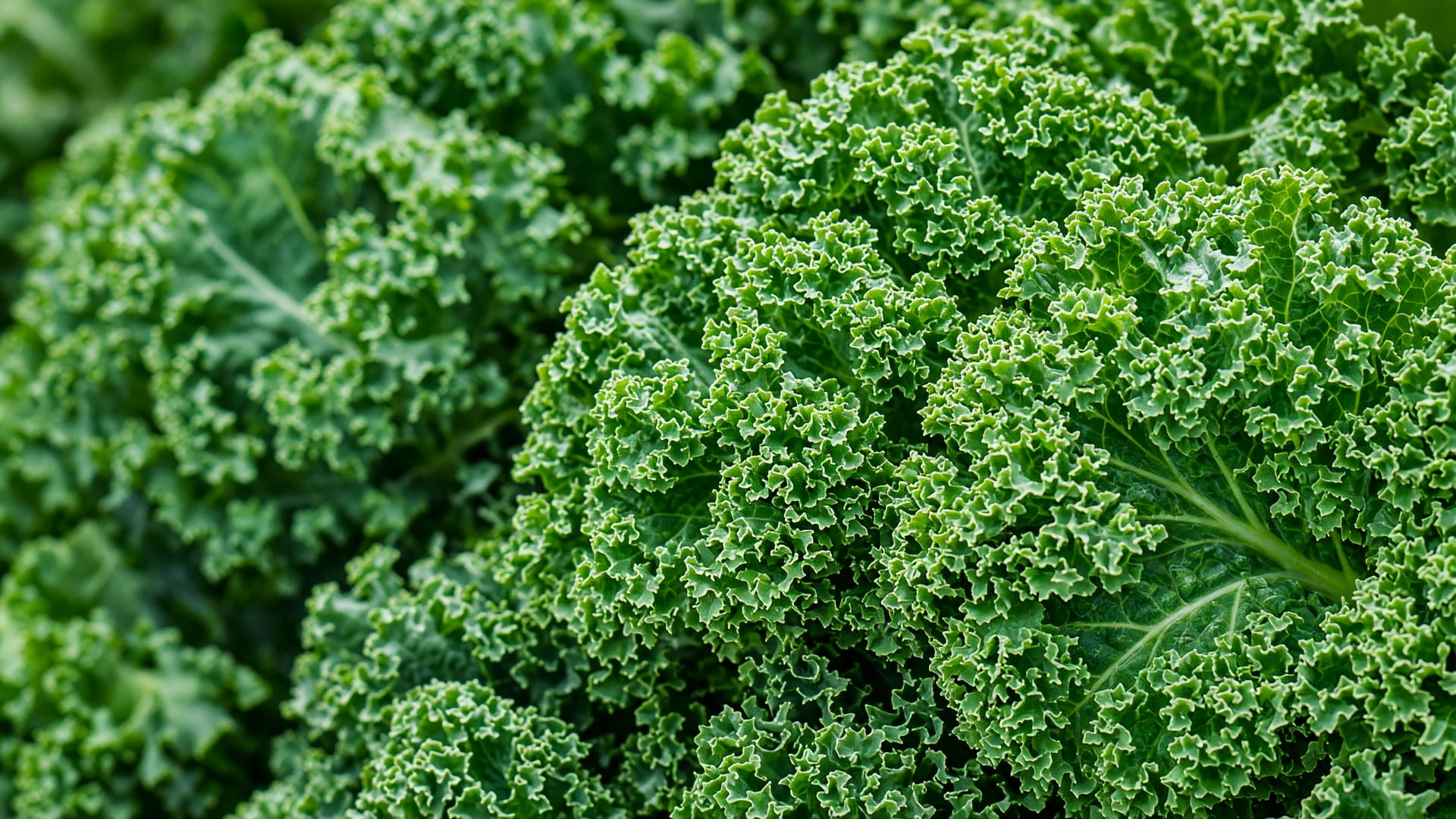
Kale — From Cattle Feed to Cultural Phenomenon: A Complete Guide
This guide explores kale's evolution from ancient staple crop to modern superfood, detailing its history, nutritional benefits, cooking methods, and the key differences between curly, lacinato, and Red Russian varieties.
 Farm Products
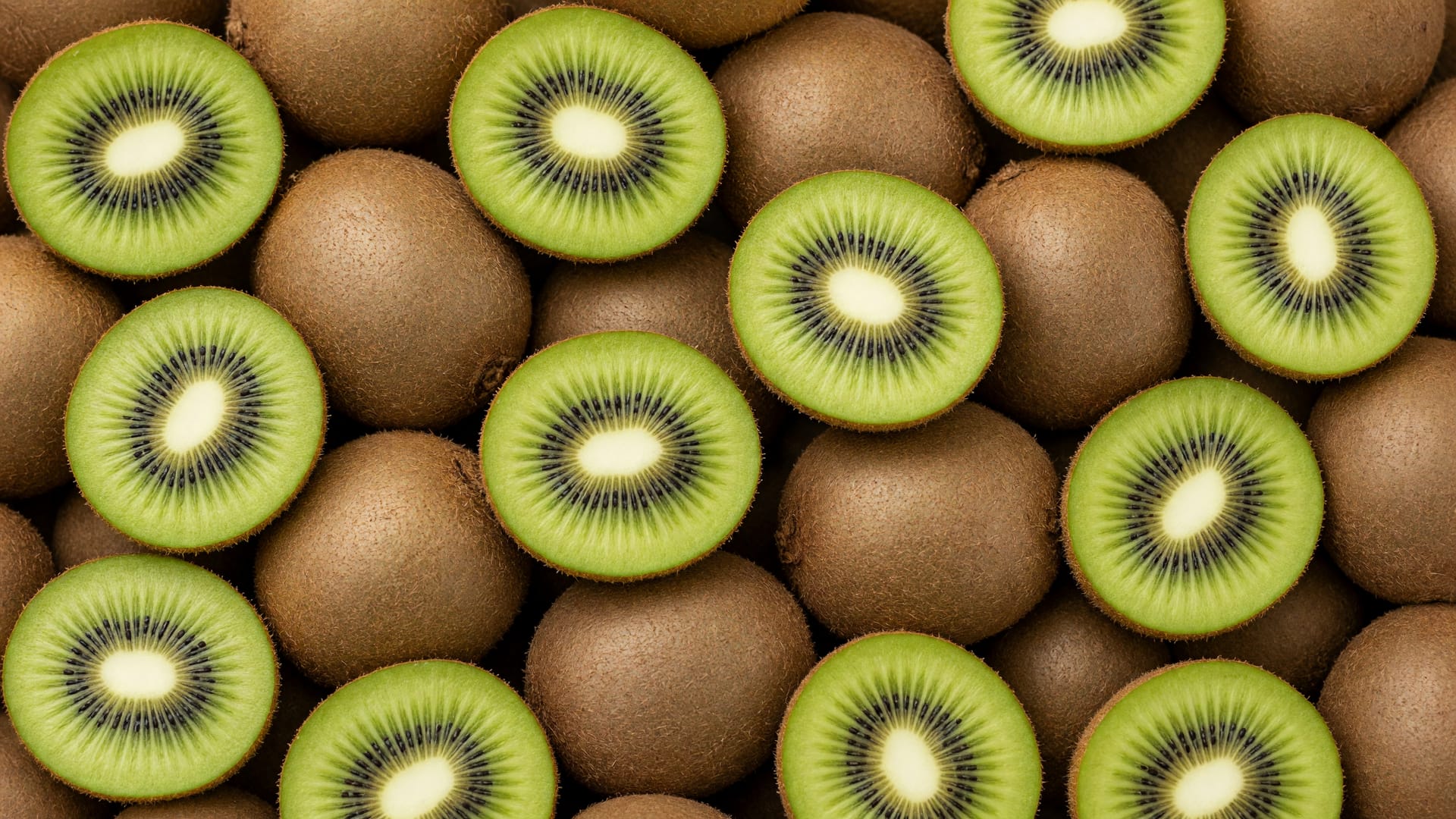
Kiwi — The Chinese Gooseberry That Became a New Zealand Export Icon
Kiwifruit originated in China as wild forage, was cultivated in New Zealand from 1904, and became a global export success through clever rebranding and variety development including green Hayward and sweet golden types.
 Farm Products
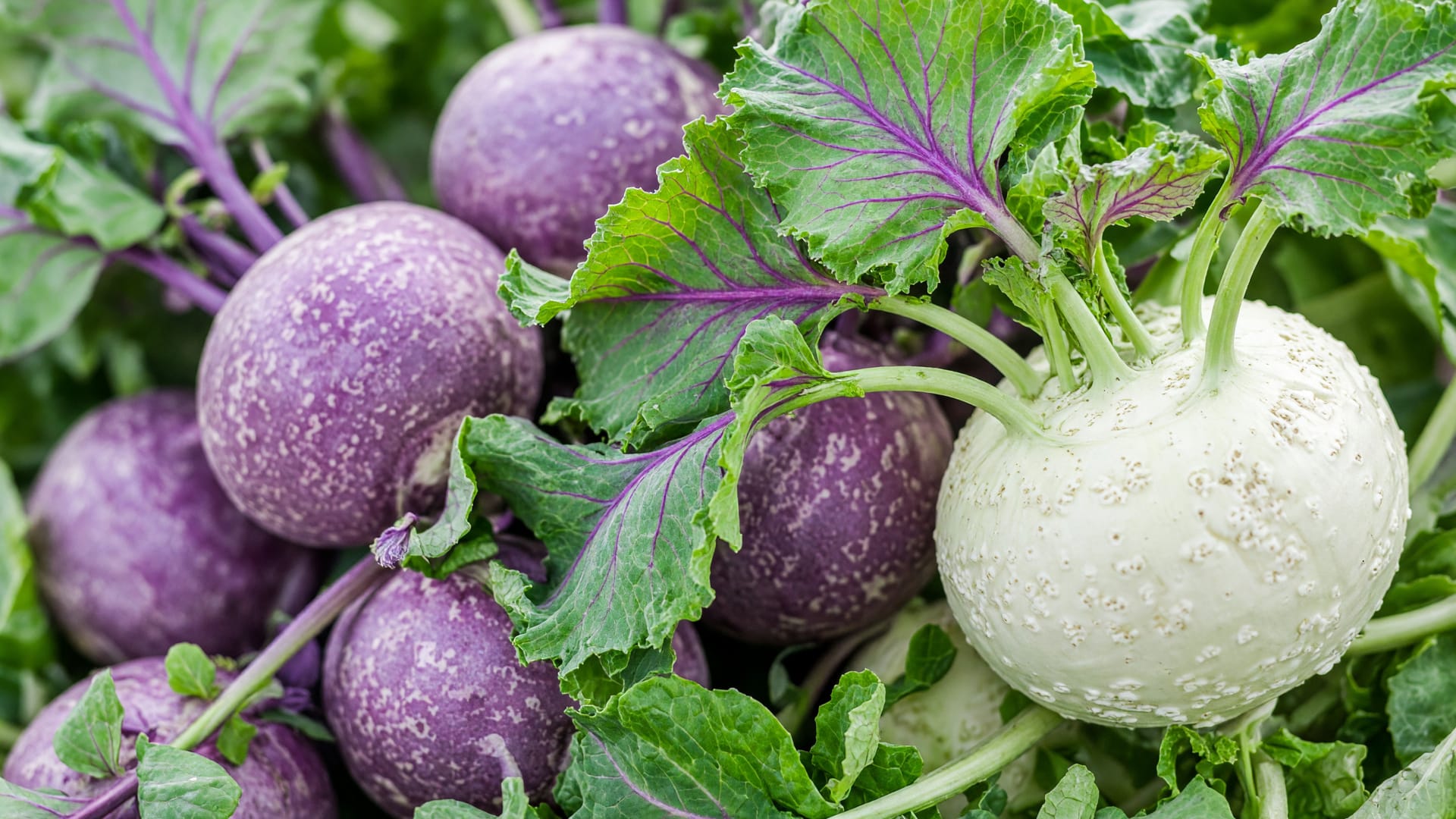
Kohlrabi — The Vegetable That Looks Like a Spaceship and Tastes Like Mild Broccoli
Kohlrabi is a fast-growing, cold-hardy brassica vegetable with a bulbous stem that tastes mildly sweet and crunchy, used raw or cooked in various culinary preparations worldwide.
 Farm Products
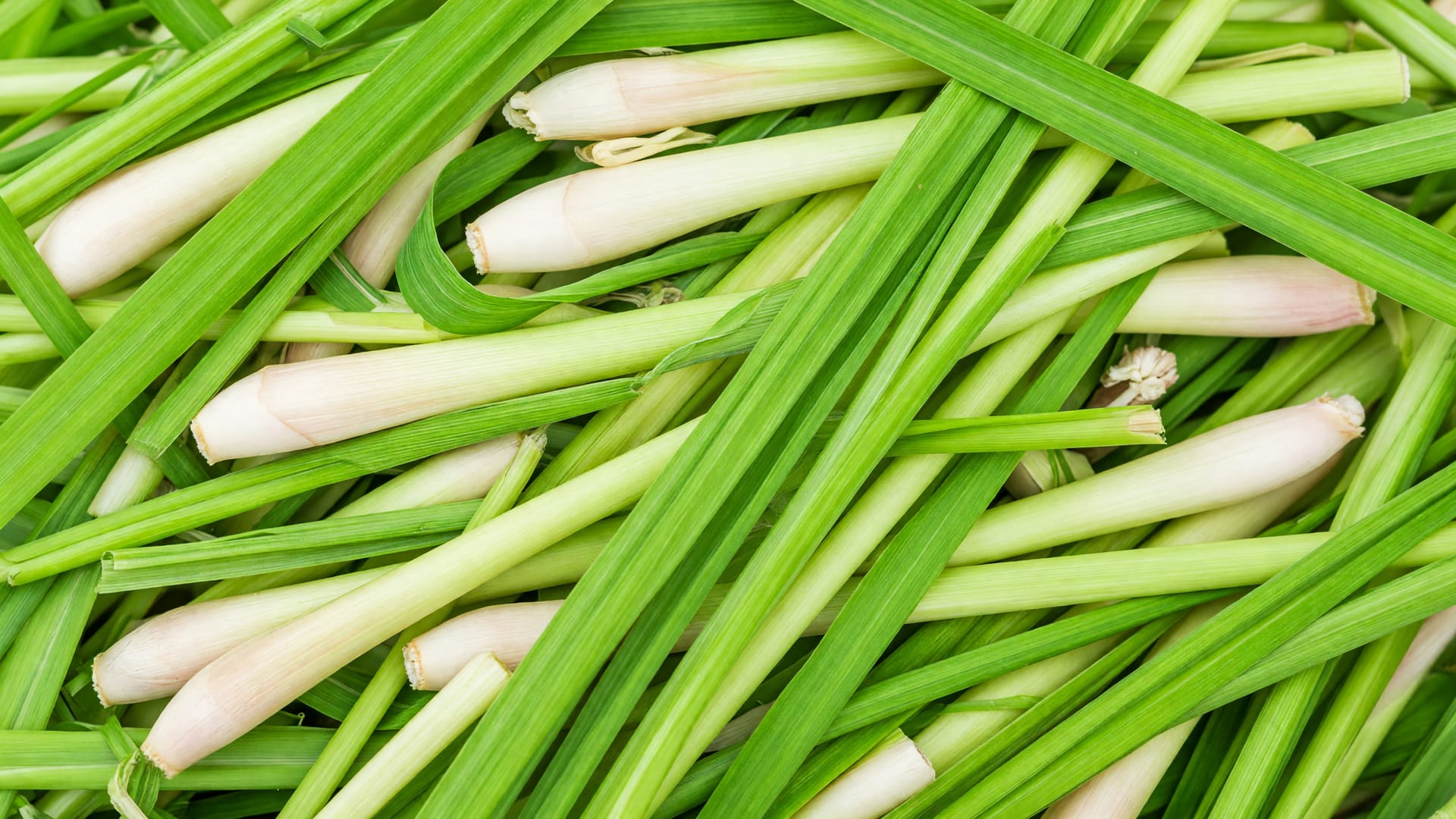
Lemongrass, Lemon Balm, and Lemon Verbena — Three Different Plants, One Family of Flavors
Lemongrass, lemon balm, and lemon verbena are three distinct herbs with citrus aromas but different flavors, textures, culinary uses, and cultural origins despite their shared lemon scent.
 Farm Products
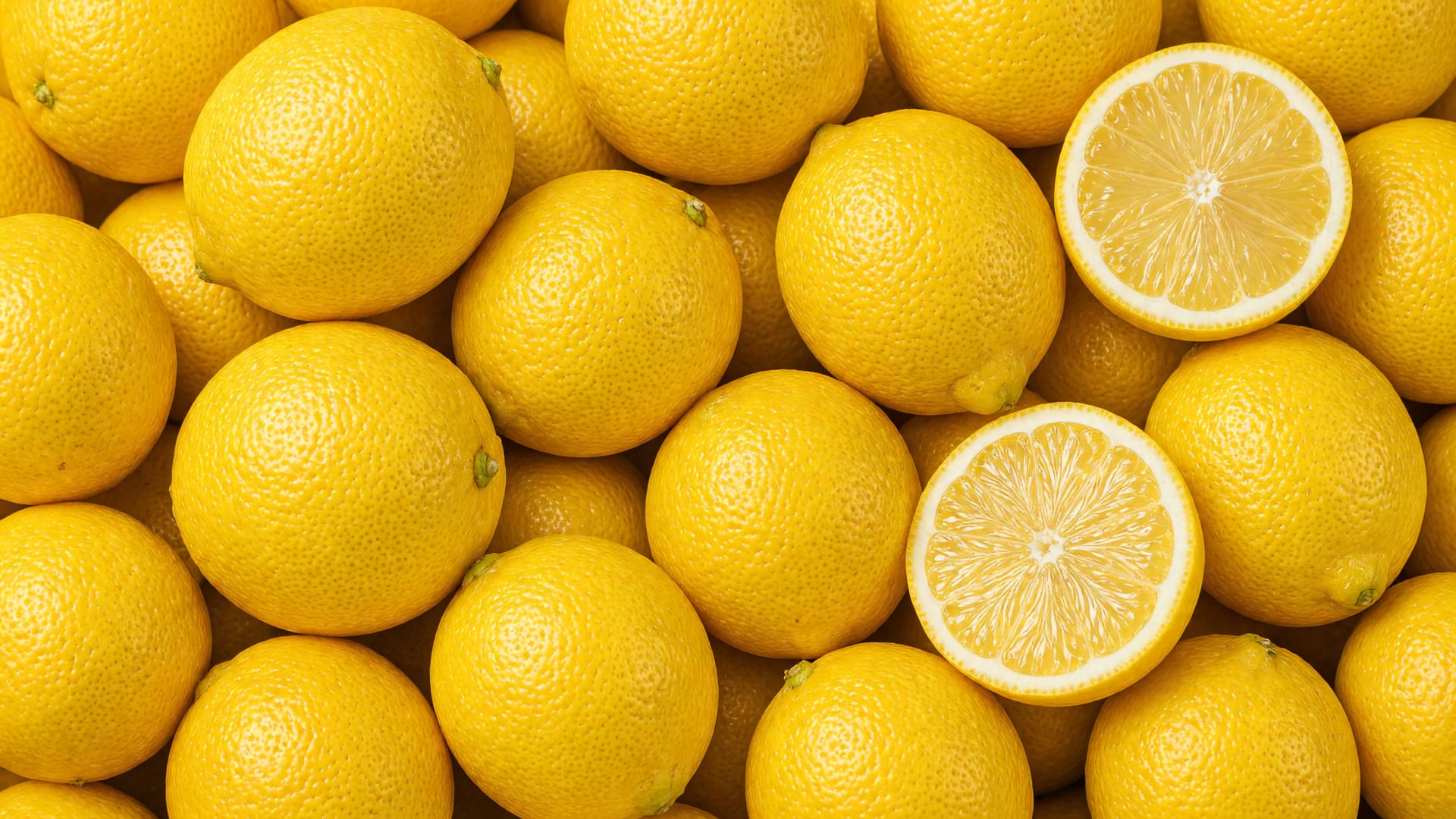
Lemons — The Sour Citrus With an Ancient History and Remarkable Range
Lemons originated as a natural hybrid in ancient Asia, spread globally through trade and colonization, and now exist in distinct varieties with unique flavour profiles and culinary applications.
 Farm Products
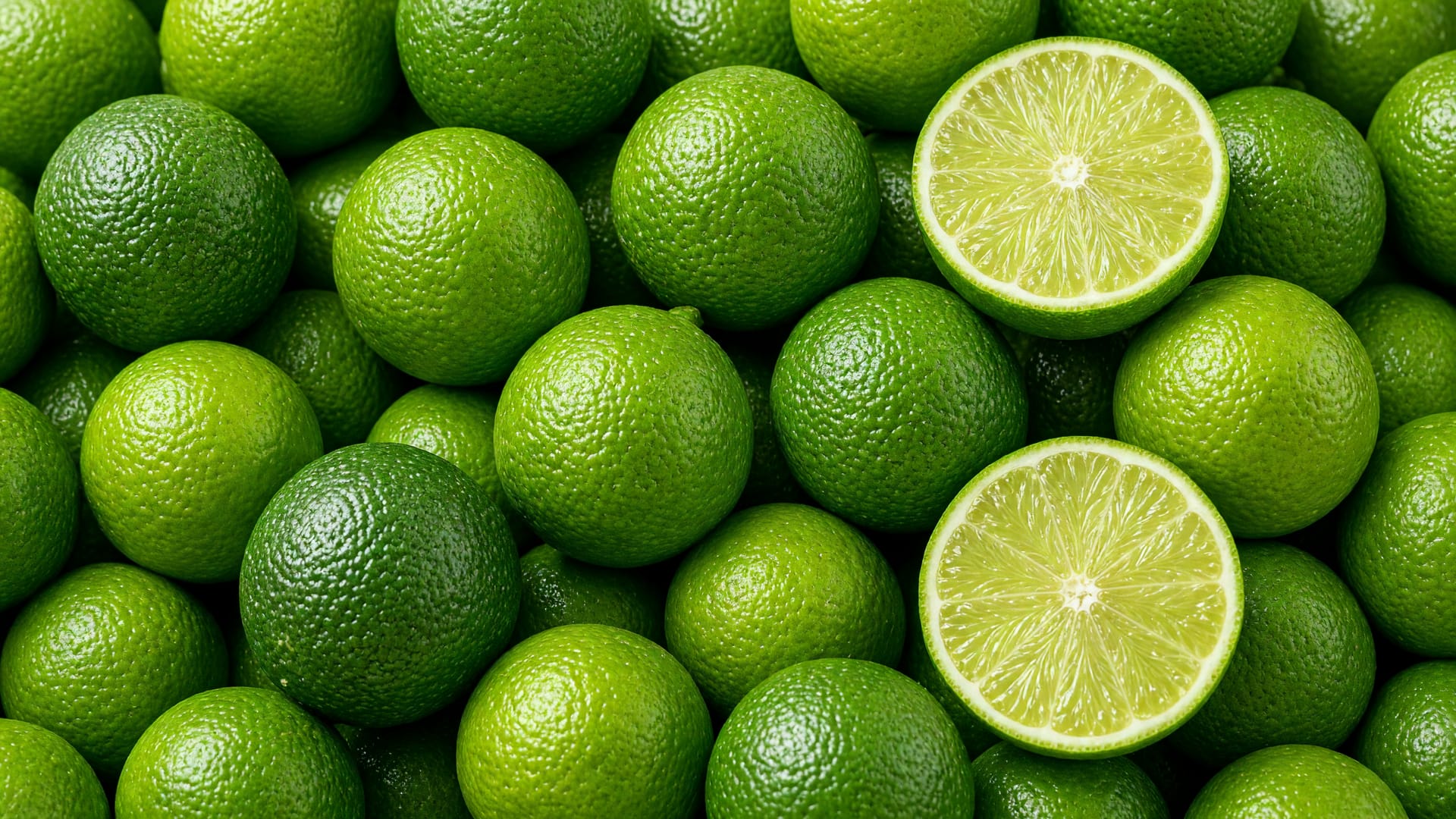
Limes — The Citrus You Might Be Underestimating
Limes encompass diverse citrus species with distinct flavors and culinary uses, including Persian, Key, Makrut, and finger limes, each suited for different cooking applications and not interchangeable in recipes.
 Farm Products
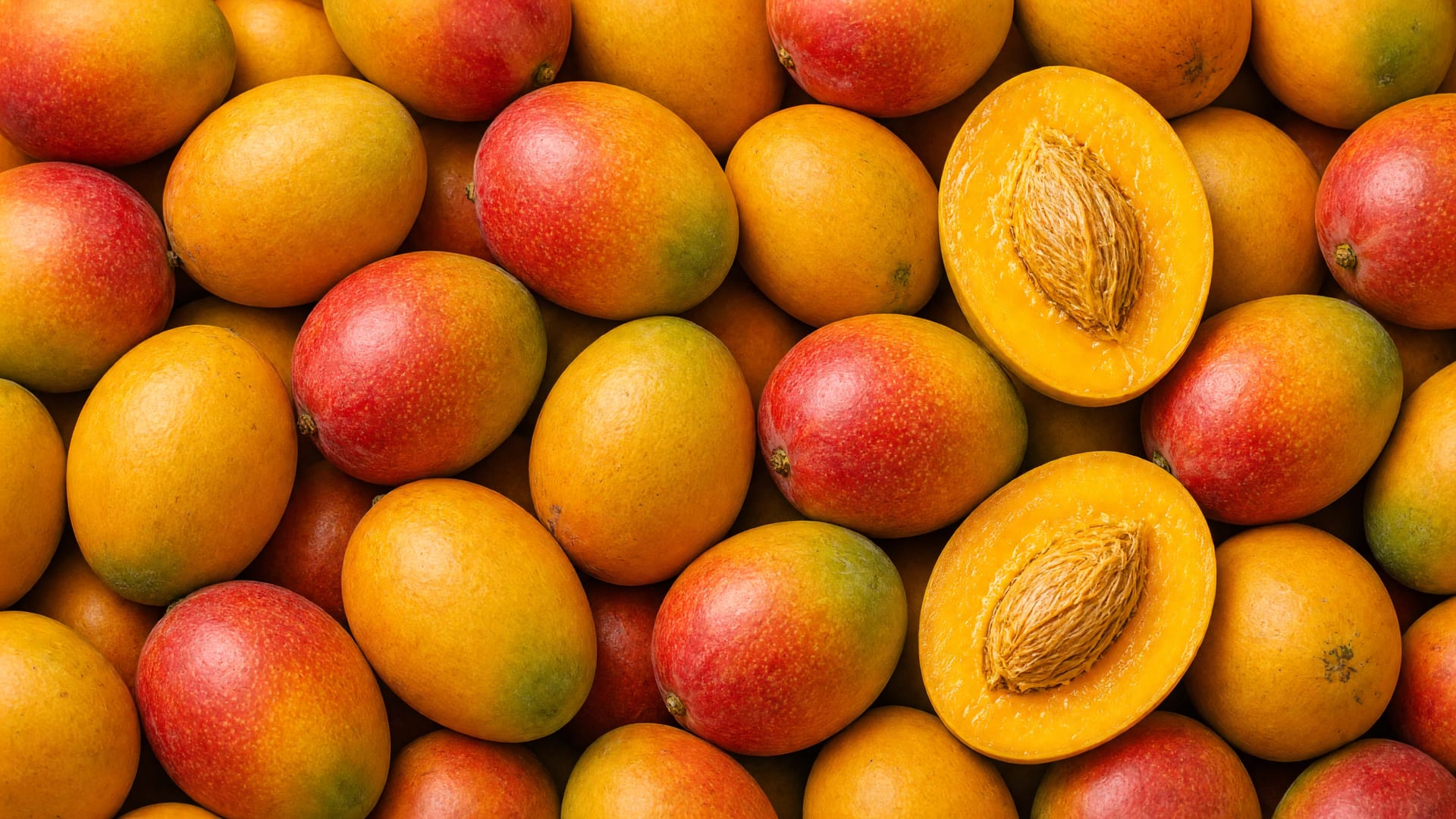
Mangoes — The King of Fruits and What Farm-Fresh Really Means
Mangoes have ancient cultural significance and over five hundred varieties, yet most Americans only know inferior supermarket cultivars chosen for shipping rather than flavor.
 Farm Products
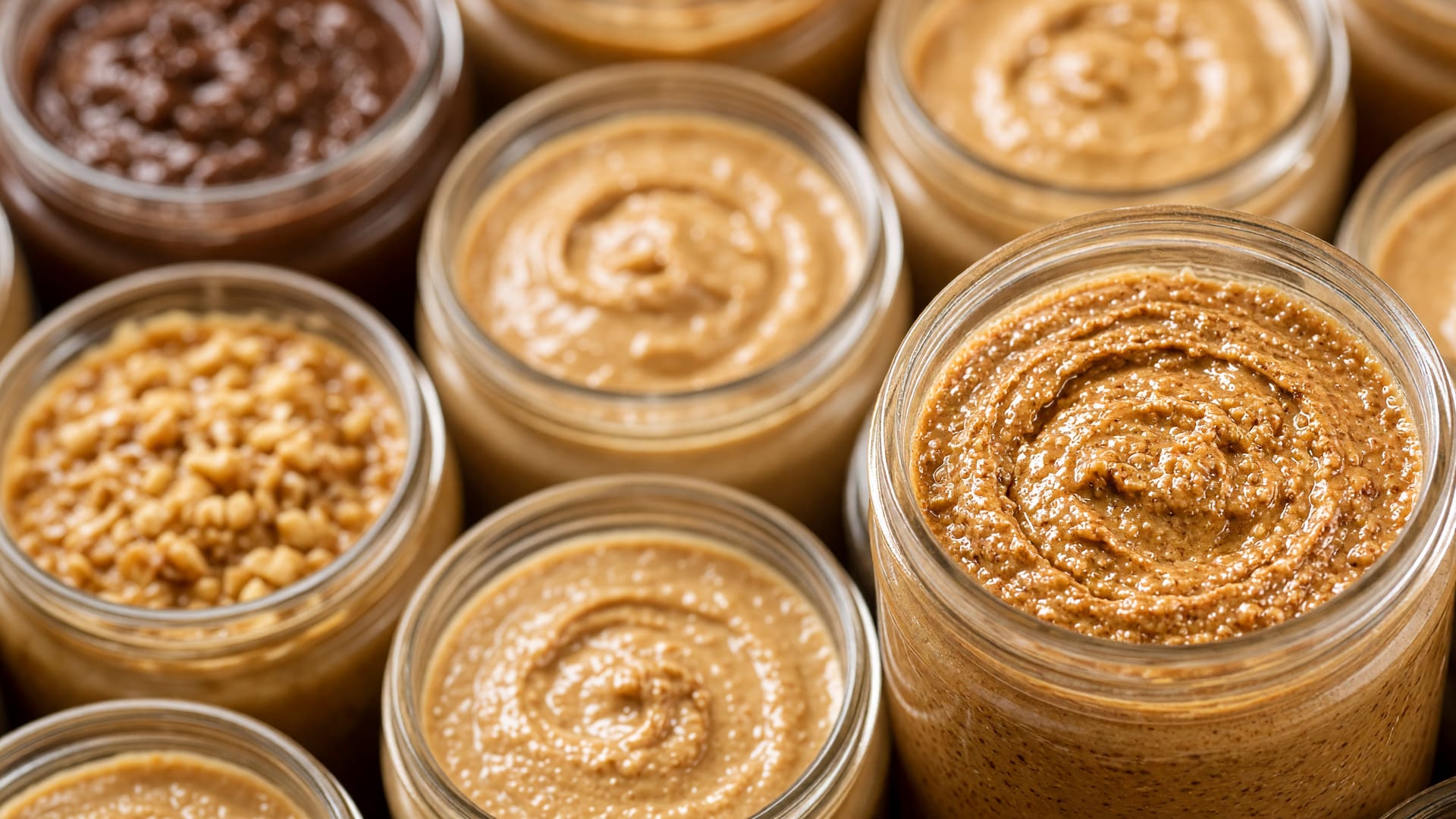
Nut Butters — From Peanut to Almond to Hazelnut: What Farm-Made Offers
This article explores the differences between farm-made and commercial nut butters, examining production methods, nutritional trade-offs, ingredient transparency, and the diverse flavor profiles of almond, peanut, hazelnut, walnut, and other artisanal varieties.
 Farm Products
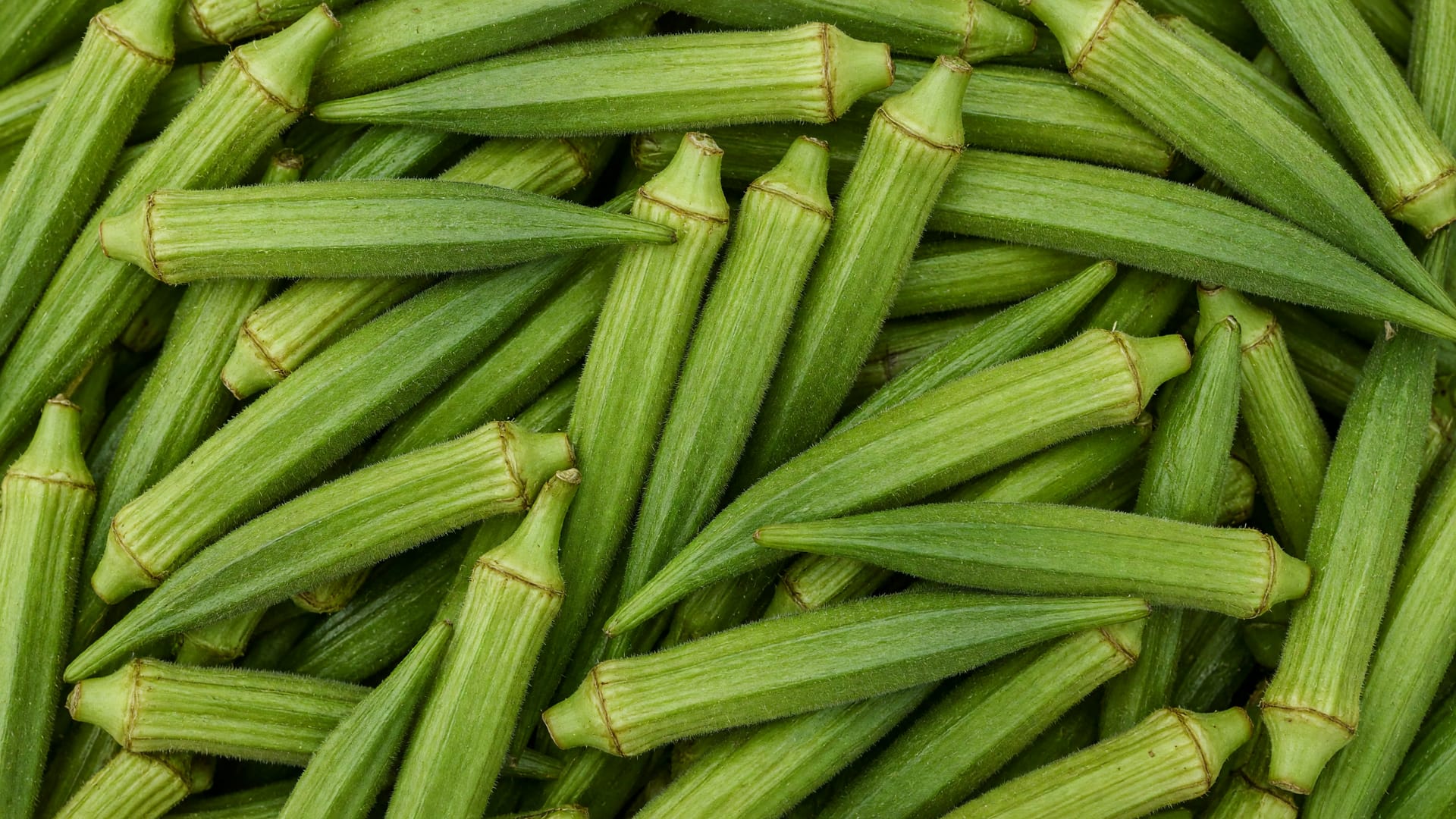
Okra — The Southern Staple With African Roots and Global Reach
Okra originated in Northeast Africa, traveled to the Americas through the slave trade, and became essential to Southern, Caribbean, Asian, and Middle Eastern cuisines through forced migration and agricultural adaptation.
 Farm Products
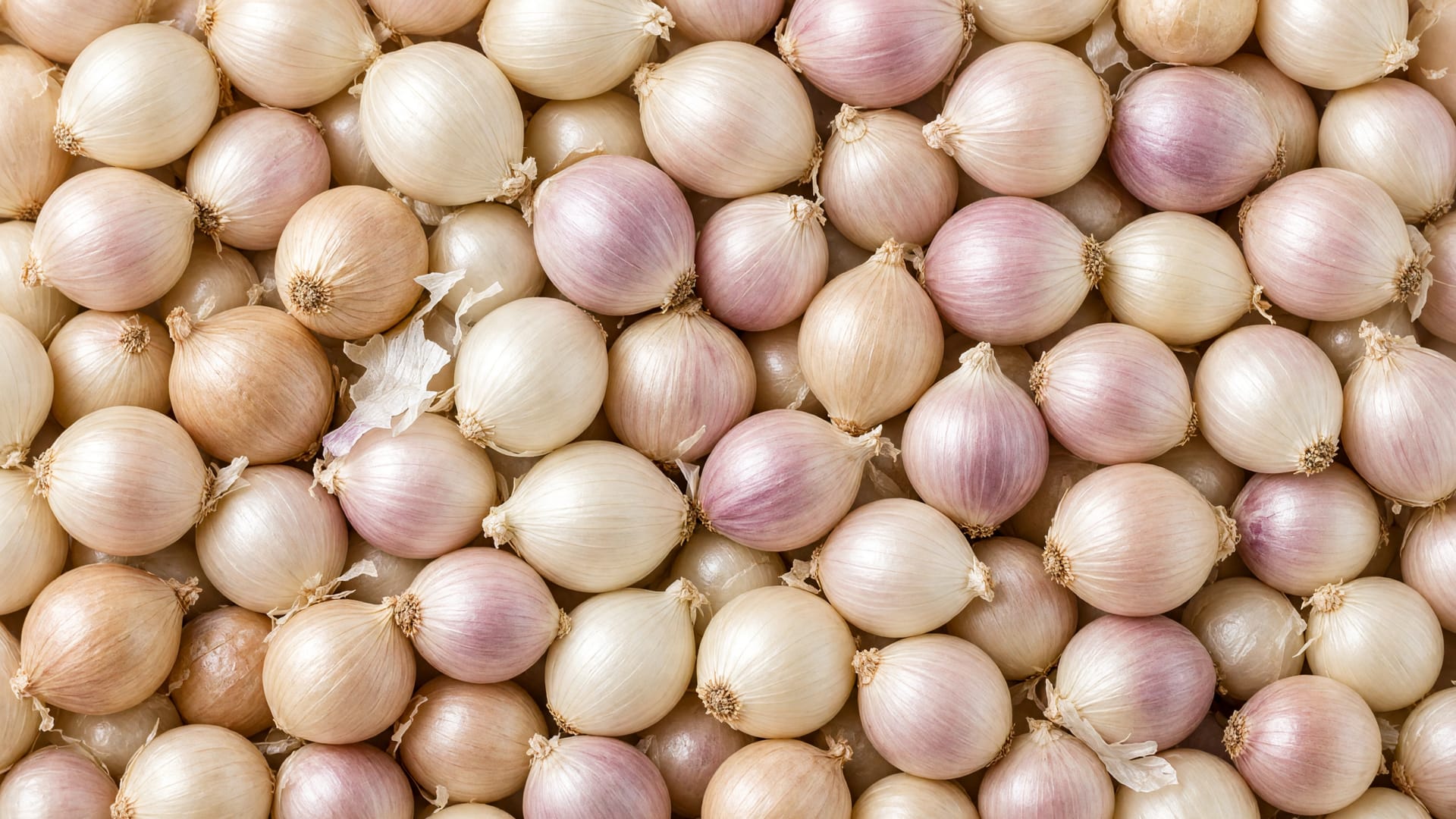
Onions — The Foundational Allium in Its Many Forms
Onions have been essential in global cuisine for over five thousand years due to their unique sulfur chemistry, storage longevity, and remarkable ability to develop complex flavors when cooked.
 Farm Products
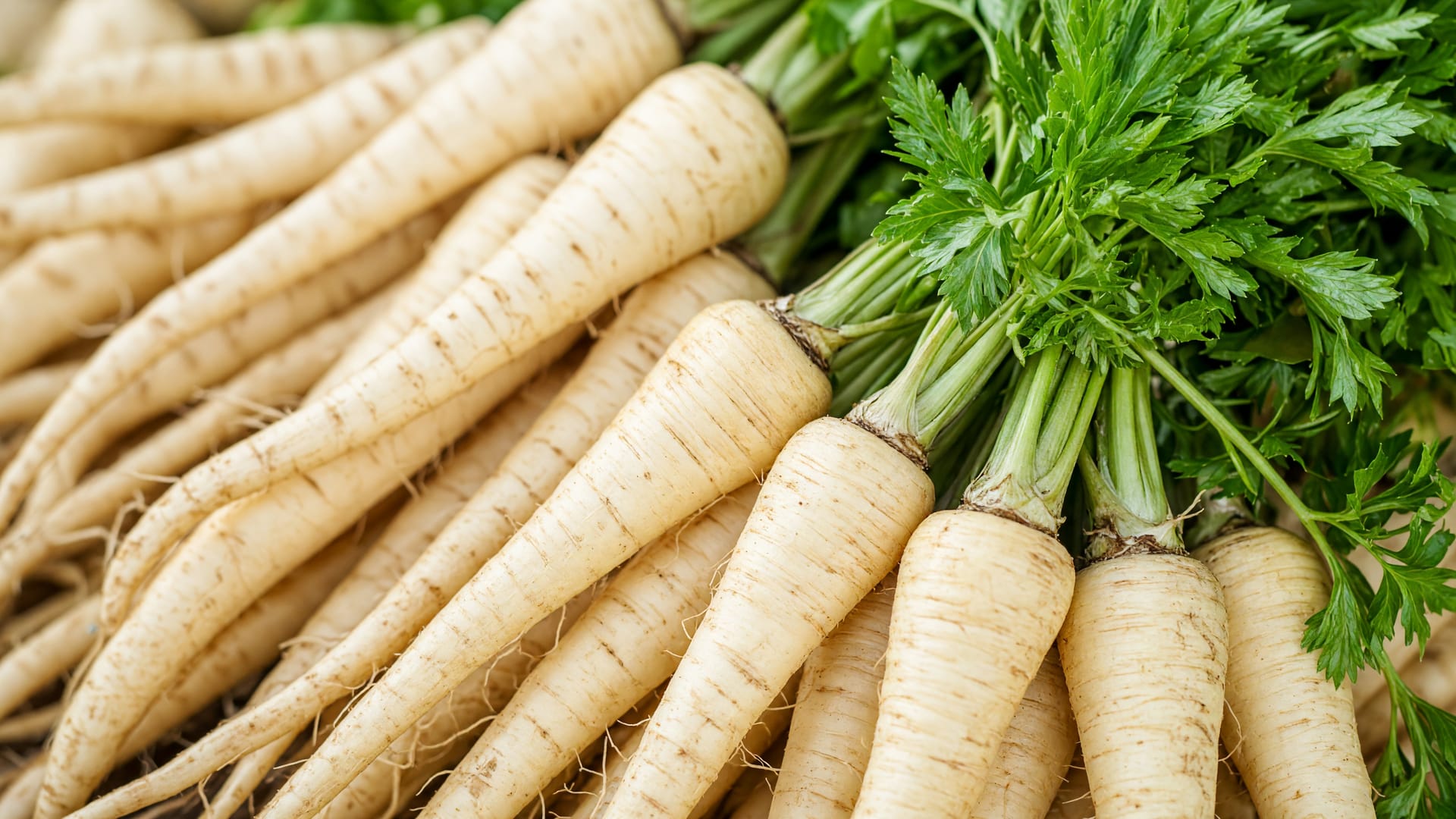
Parsnips — The Forgotten Root Vegetable Worth Rediscovering
Parsnips are sweet, nutty root vegetables that improve dramatically after frost exposure, transforming starches into sugars through enzymatic activity, making them ideal for winter cooking and seasonal dishes.
 Farm Products
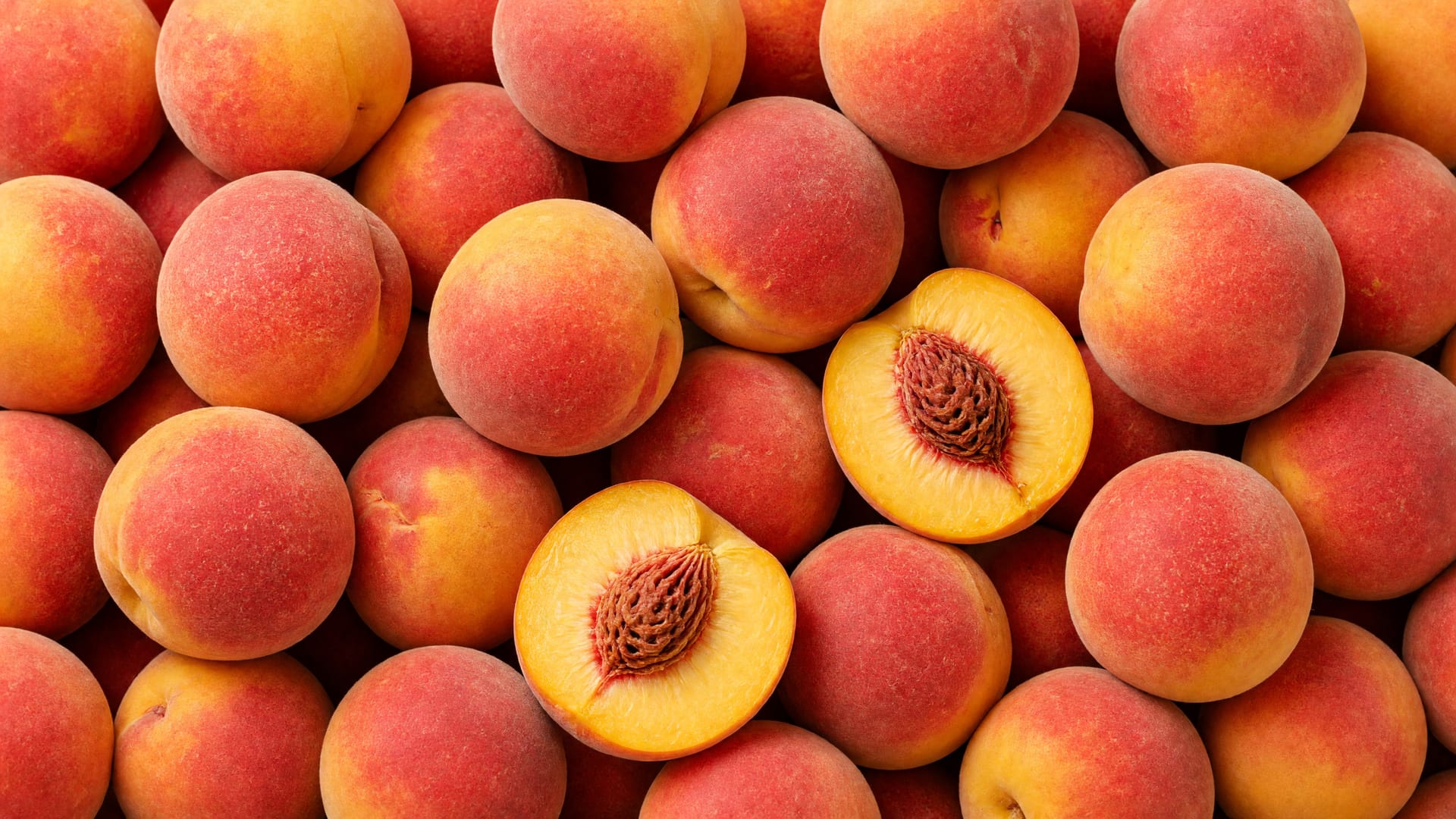
Peaches — The Summer Stone Fruit Worth Waiting For
Peaches originated in ancient China, spread through Persia to the West, and are now classified by flesh attachment and color, with varieties ripening throughout summer across American regions.
 Farm Products
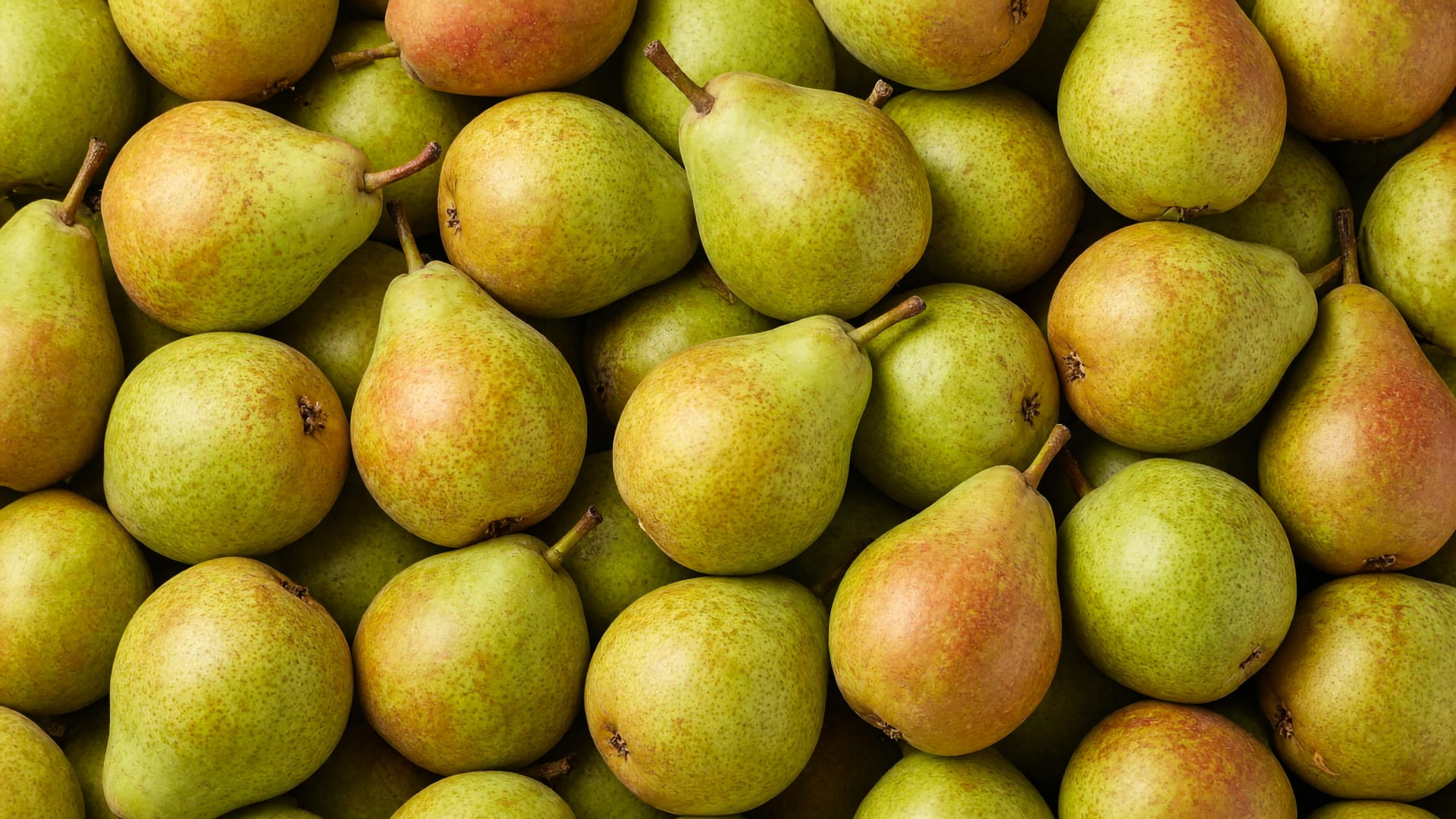
Pears — The Other Great Fall Orchard Fruit
This article explores the differences between European and Asian pears, covering their origins, ripening processes, popular varieties like Bartlett and Bosc, cultivation regions, and culinary uses across diverse cooking applications.
 Farm Products
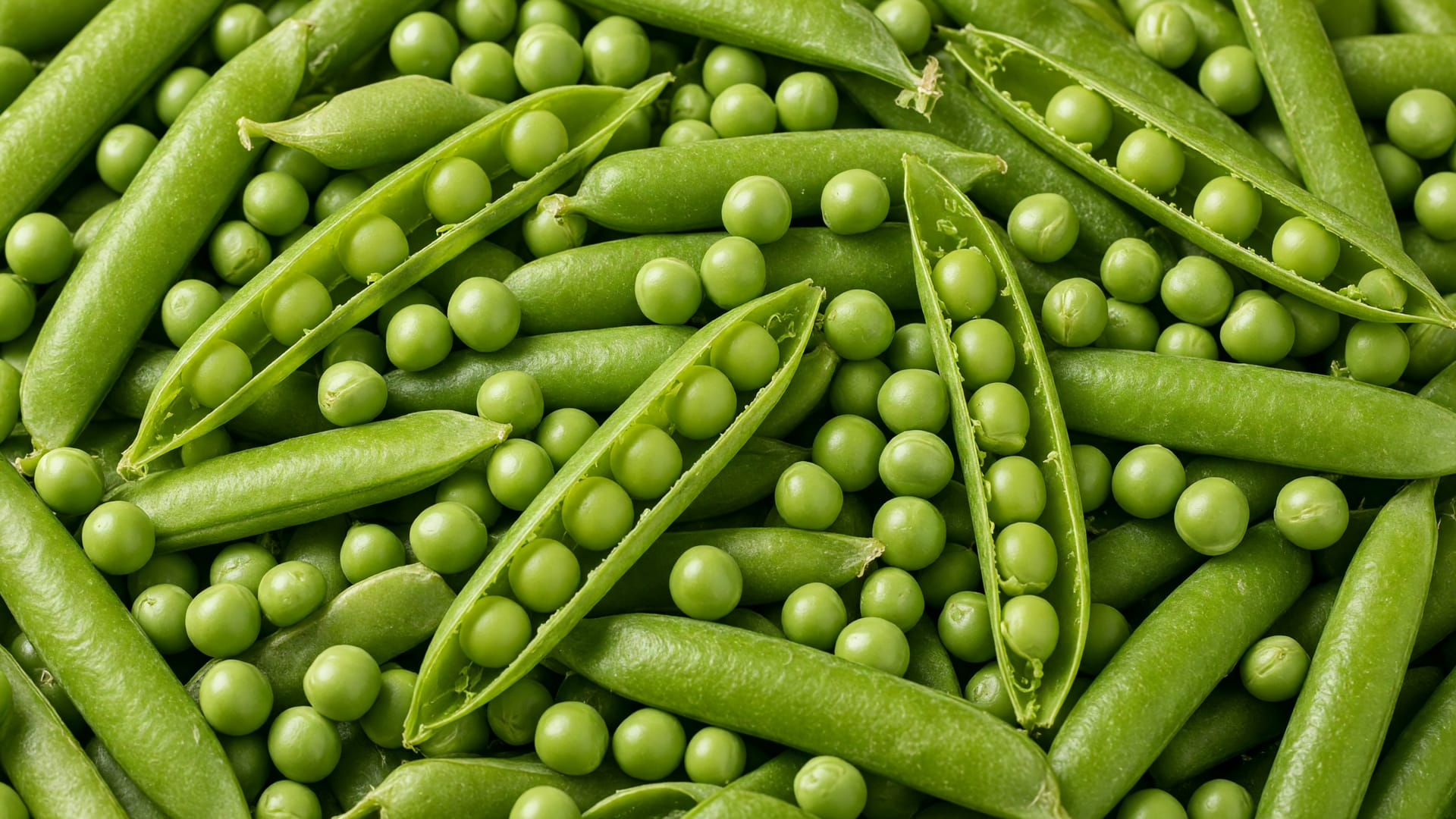
Peas — Three Types, One Brief Season, and Why Fresh Matters So Much
Peas have ancient agricultural roots and come in three main types—shelling, snow, and snap—each requiring different harvesting and preparation methods, with freshness critically affecting their sweetness due to rapid sugar-to-starch conversion.
 Farm Products
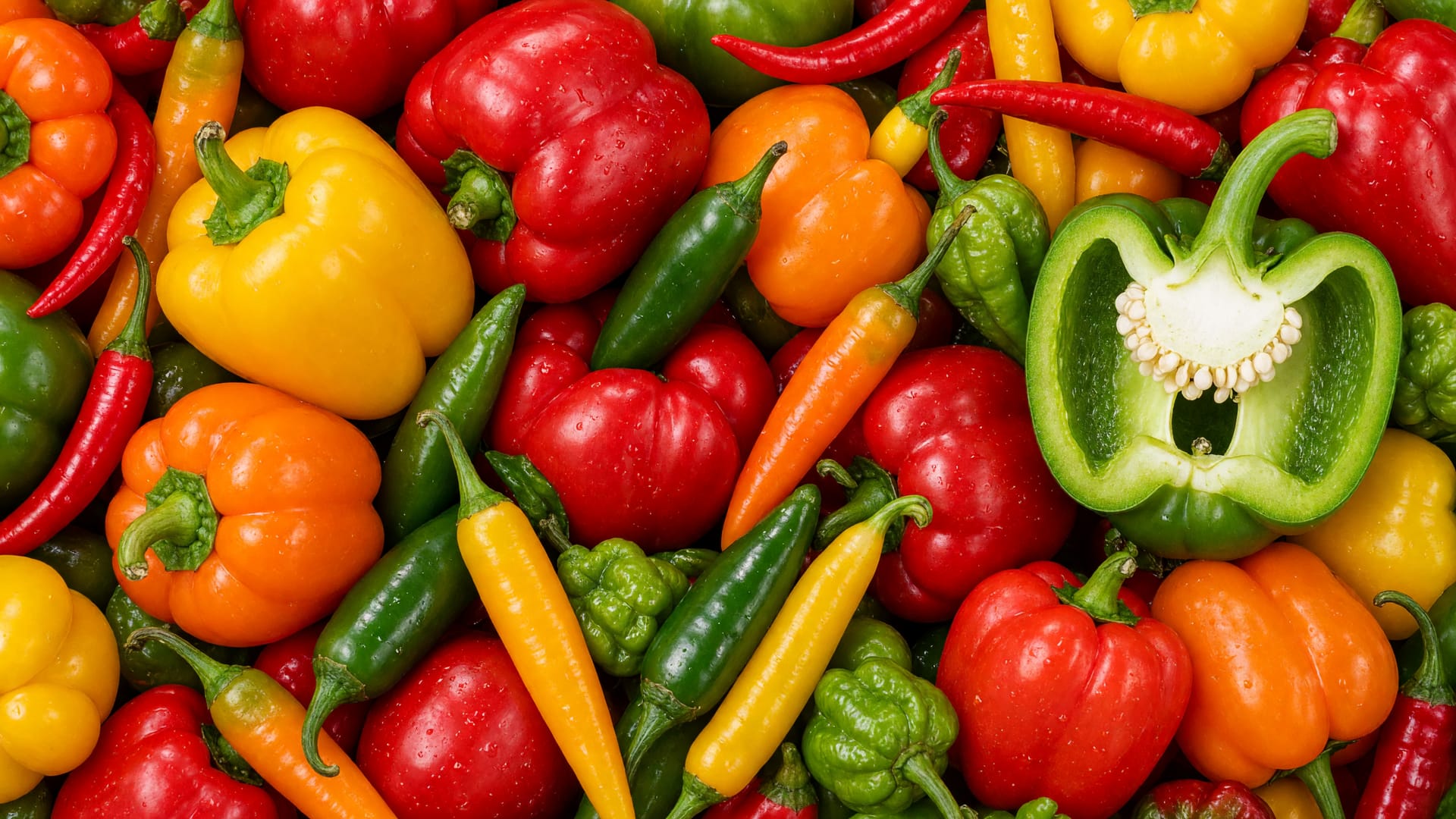
Peppers — Sweet, Hot, and Everything in Between
Peppers originated in the Americas and spread globally after 1492, transforming world cuisines with varieties ranging from sweet bells to superhot chilis across five main species.
 Farm Products
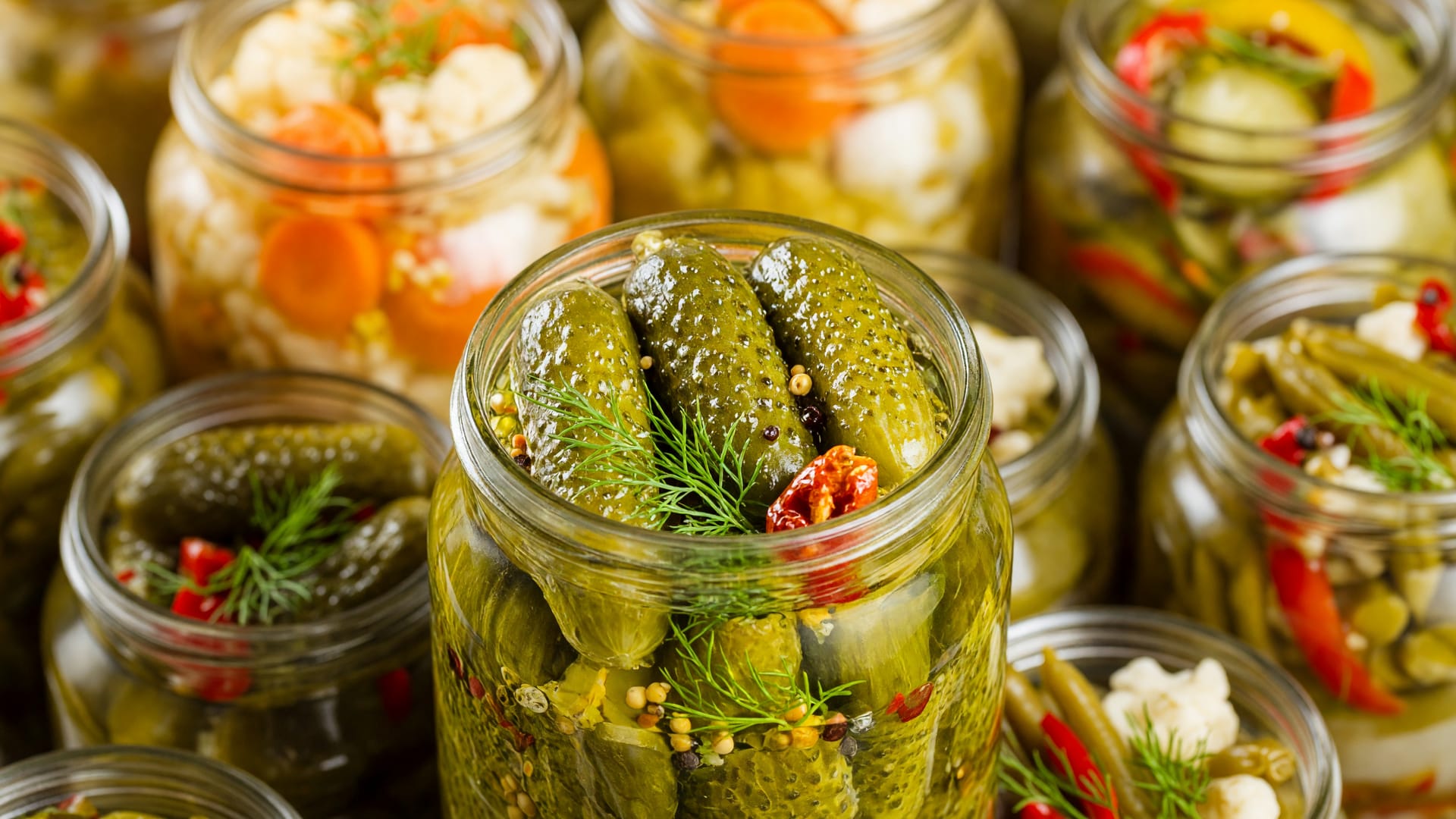
Pickles and Fermented Vegetables — A Guide to What Small Farms Produce and Why It Matters
This article explores how small farms revive ancient lacto-fermentation techniques to produce living probiotic pickles and vegetables, contrasting them with mass-produced vinegar-pickled products lacking beneficial bacteria.
 Farm Products
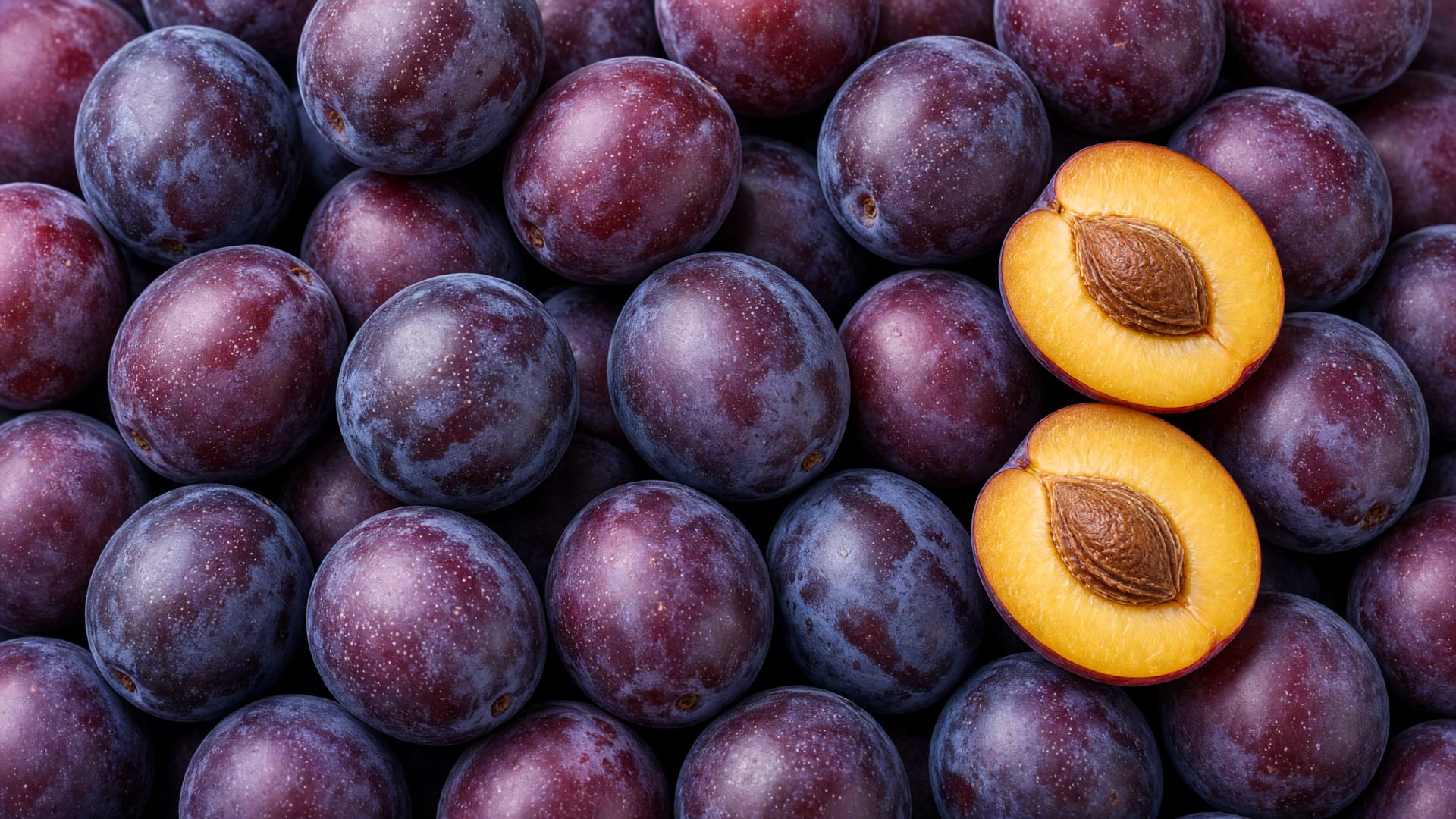
Plums — The Most Diverse Stone Fruit You Probably Don't Know Well Enough
Plums comprise two distinct species with separate domestication histories, different growing requirements, and unique culinary uses that most gardeners and shoppers don't recognize when buying fruit.
 Farm Products
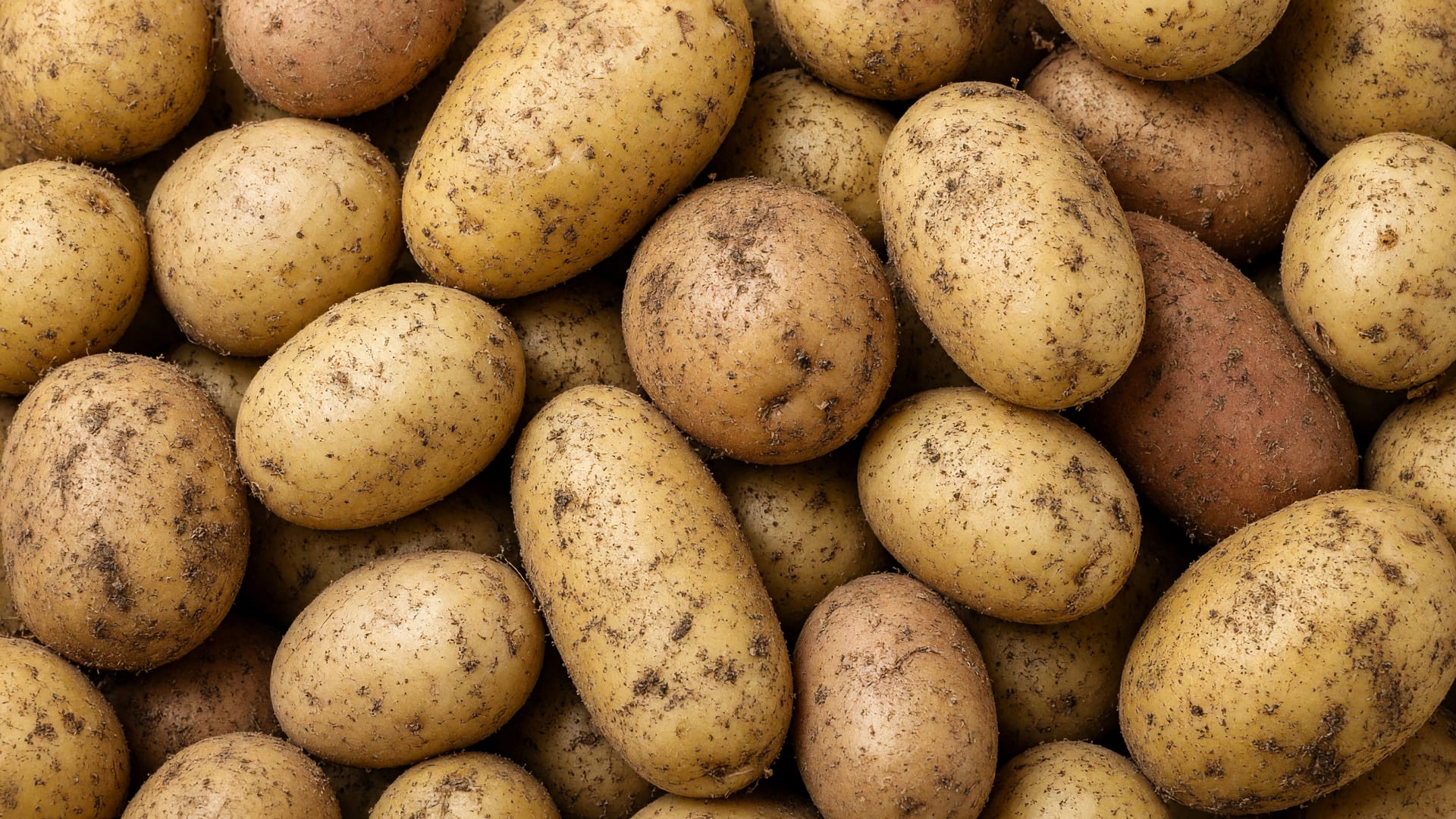
Potatoes — One of Civilization's Most Important Crops in All Its Farm Stand Glory
Potatoes originated in the Andes 8,000 years ago, fueled European population growth, caused Ireland's Great Famine through monoculture, and remain vital despite modern agriculture's narrow variety selection.
 Farm Products
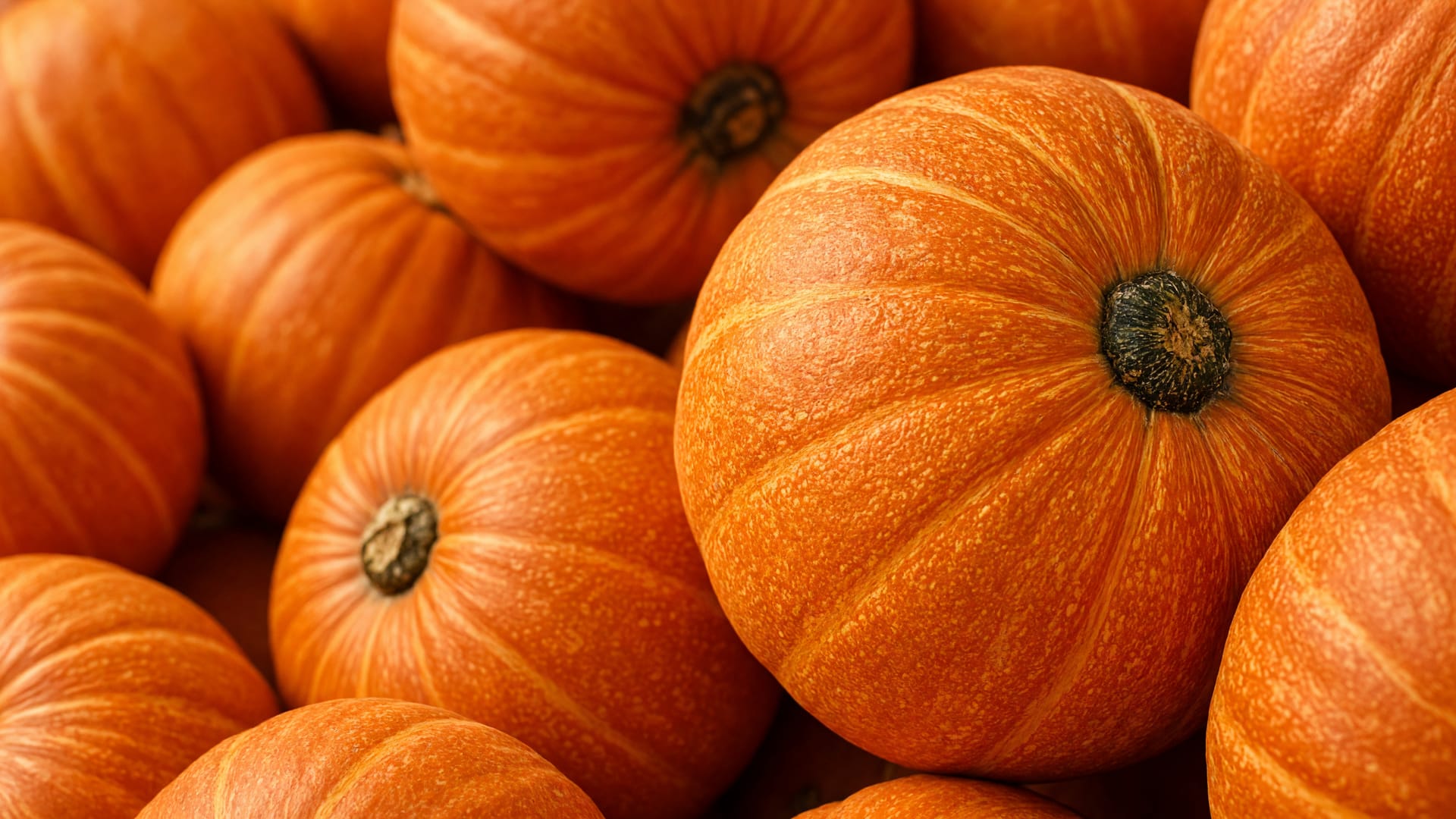
Pumpkins — Beyond Jack-O-Lanterns: The Full World of Edible Pumpkins
This article explores the history of pumpkin domestication in ancient Mexico and guides readers through cooking pumpkin varieties like sugar, Jarrahdale, Cinderella, and Long Island Cheese beyond carving.
 Farm Products
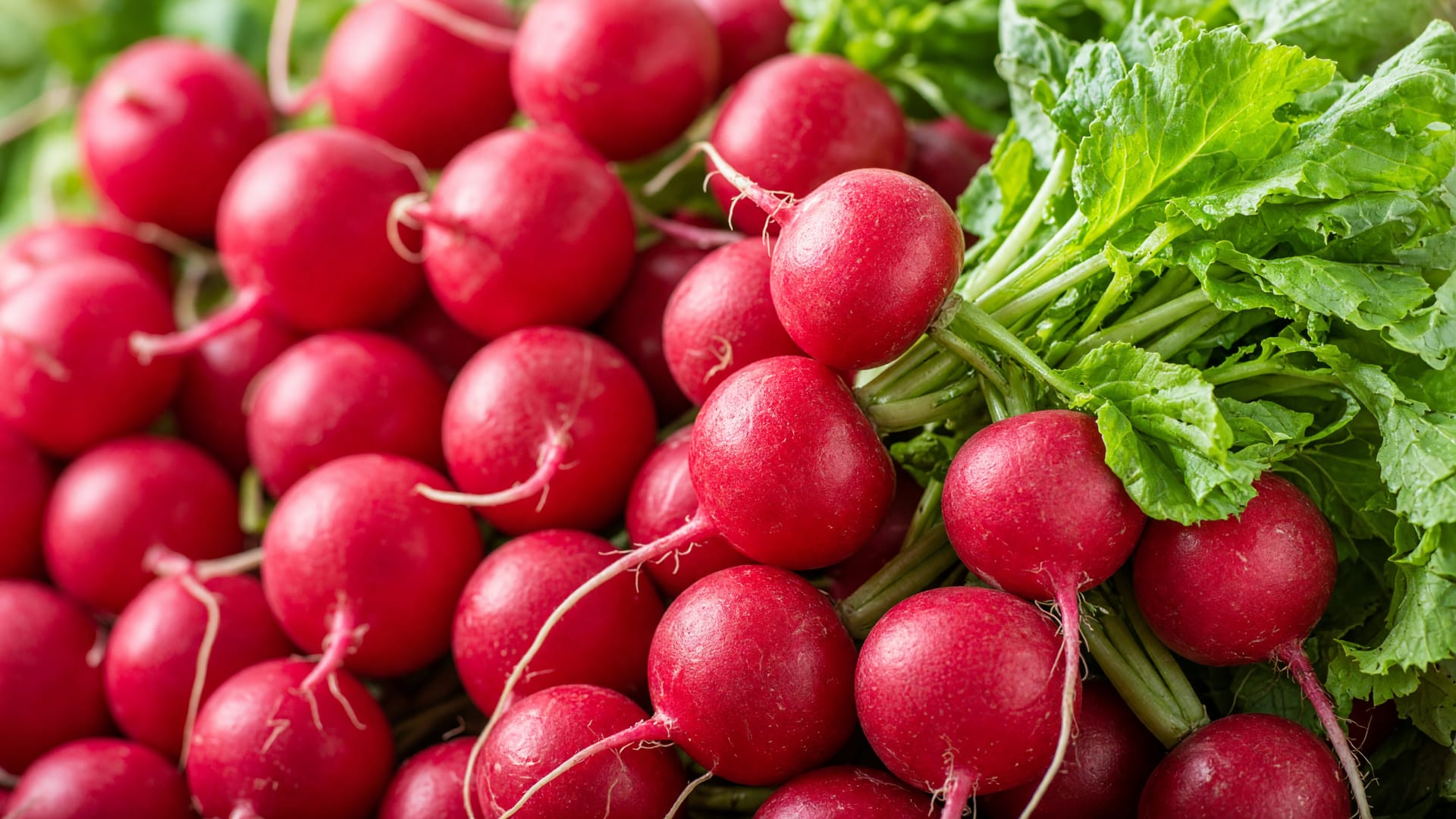
Radishes — Fast, Peppery, and Far More Varied Than You Think
Radishes have ancient origins spanning continents and offer diverse varieties from fast-growing salad types to large daikon, with flavors and culinary uses far beyond typical Western garnish applications.
- Farm Products
Rapini (Broccoli Rabe) — Italy's Favorite Bitter Green
Rapini, also called broccoli rabe, is a bitter Italian green related to turnips rather than broccoli, prized in southern Italian cuisine for its assertive, peppery flavor and mineral notes.
 Farm Products
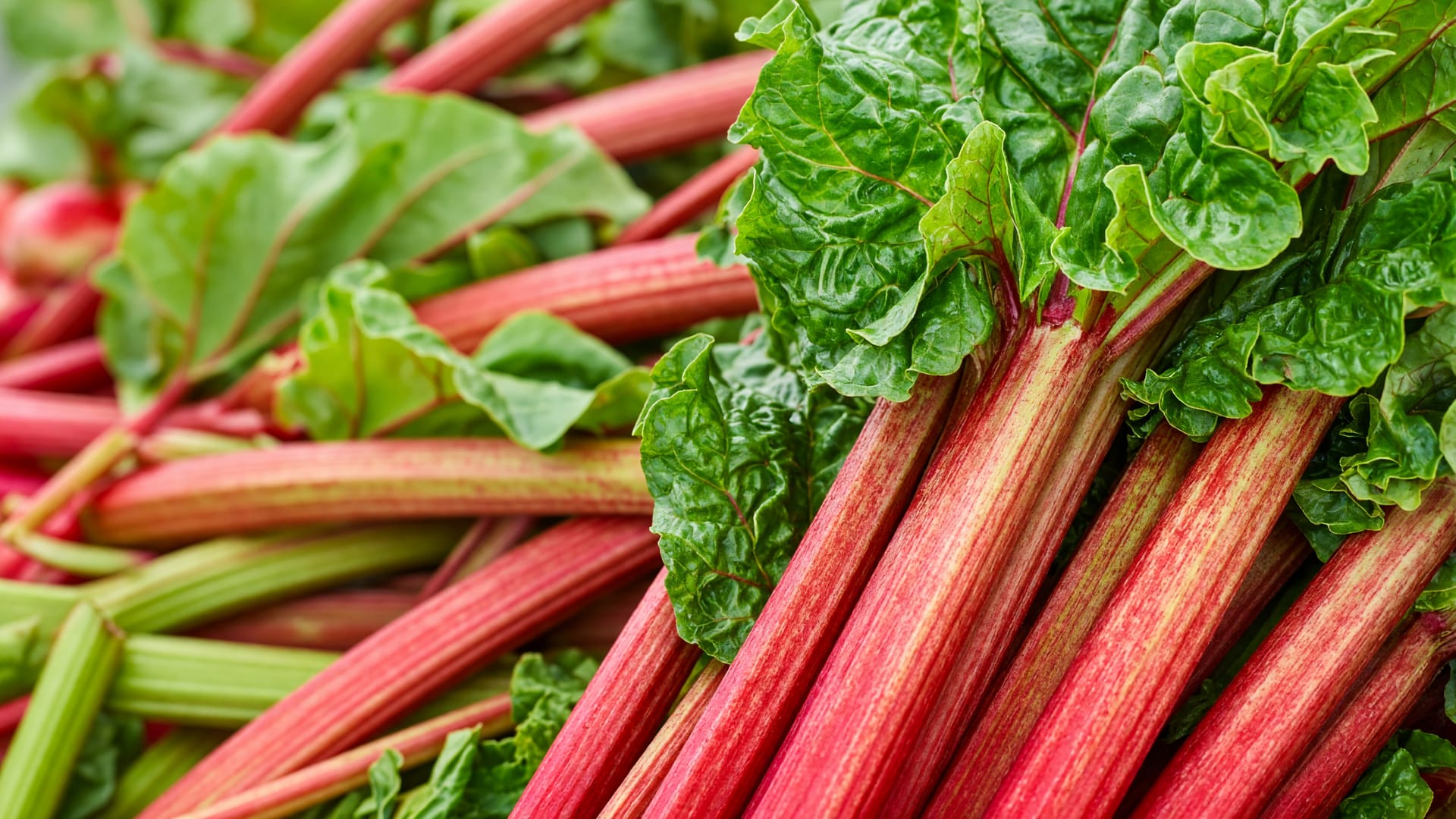
Rhubarb — The Vegetable That Thinks It's a Fruit
Rhubarb evolved from an expensive Chinese medicinal root to a beloved British dessert ingredient, botanically a vegetable with toxic leaves and edible tart stalks.
- Farm Products
Scallions, Shallots, and Pearl Onions — The Allium Supporting Cast
This guide explains the culinary differences between scallions, shallots, and pearl onions, clarifying naming confusion and describing how each allium's unique flavor and texture serves specific cooking purposes beyond standard yellow onions.
 Farm Products
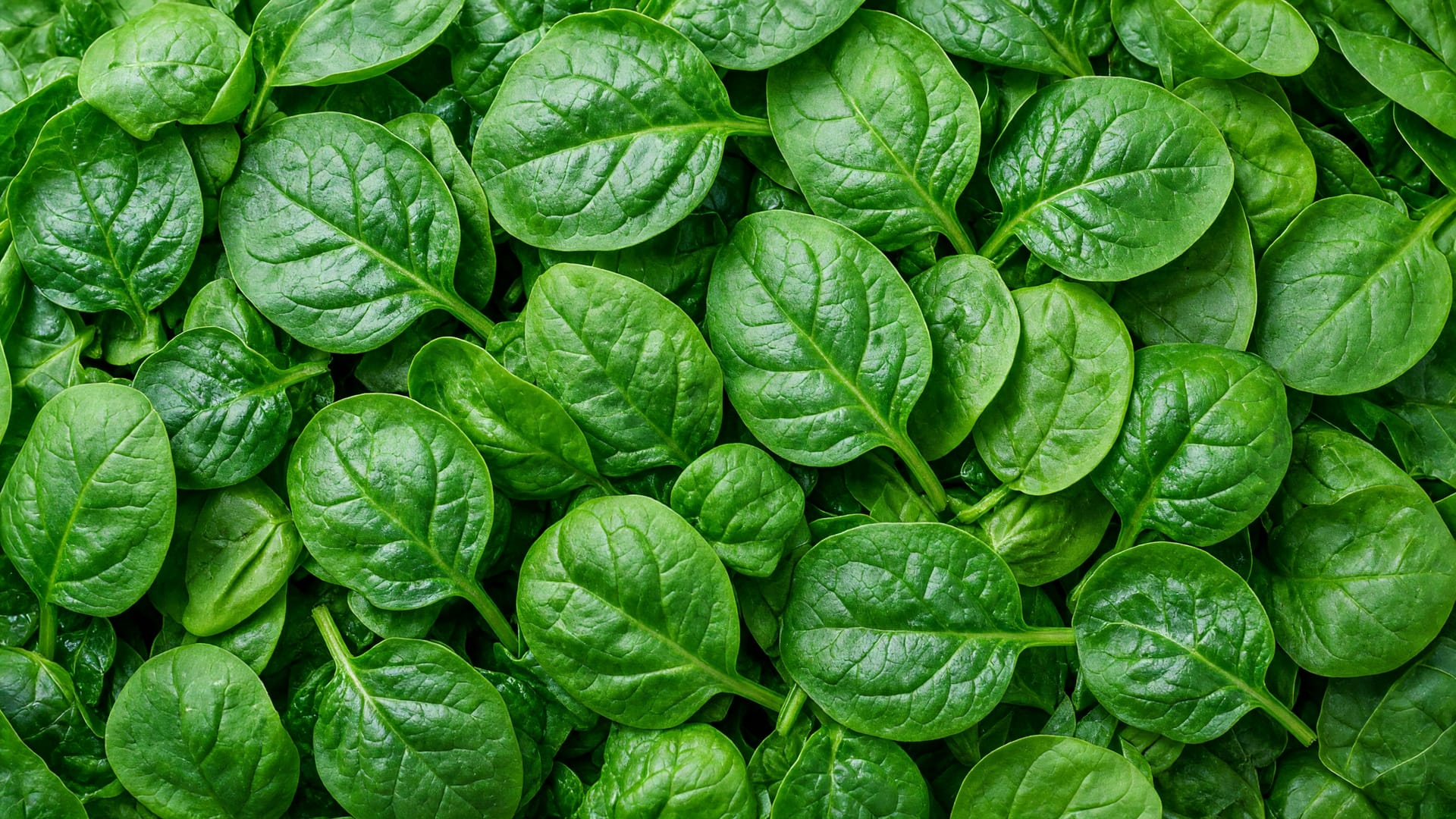
Spinach — One of the World's Great Leafy Greens in All Its Forms
Spinach comes in three main varieties with distinct textures and uses, from crinkled savoy to smooth flat-leaf types, each offering unique culinary applications and nutritional benefits beyond the popular iron myth.
 Farm Products
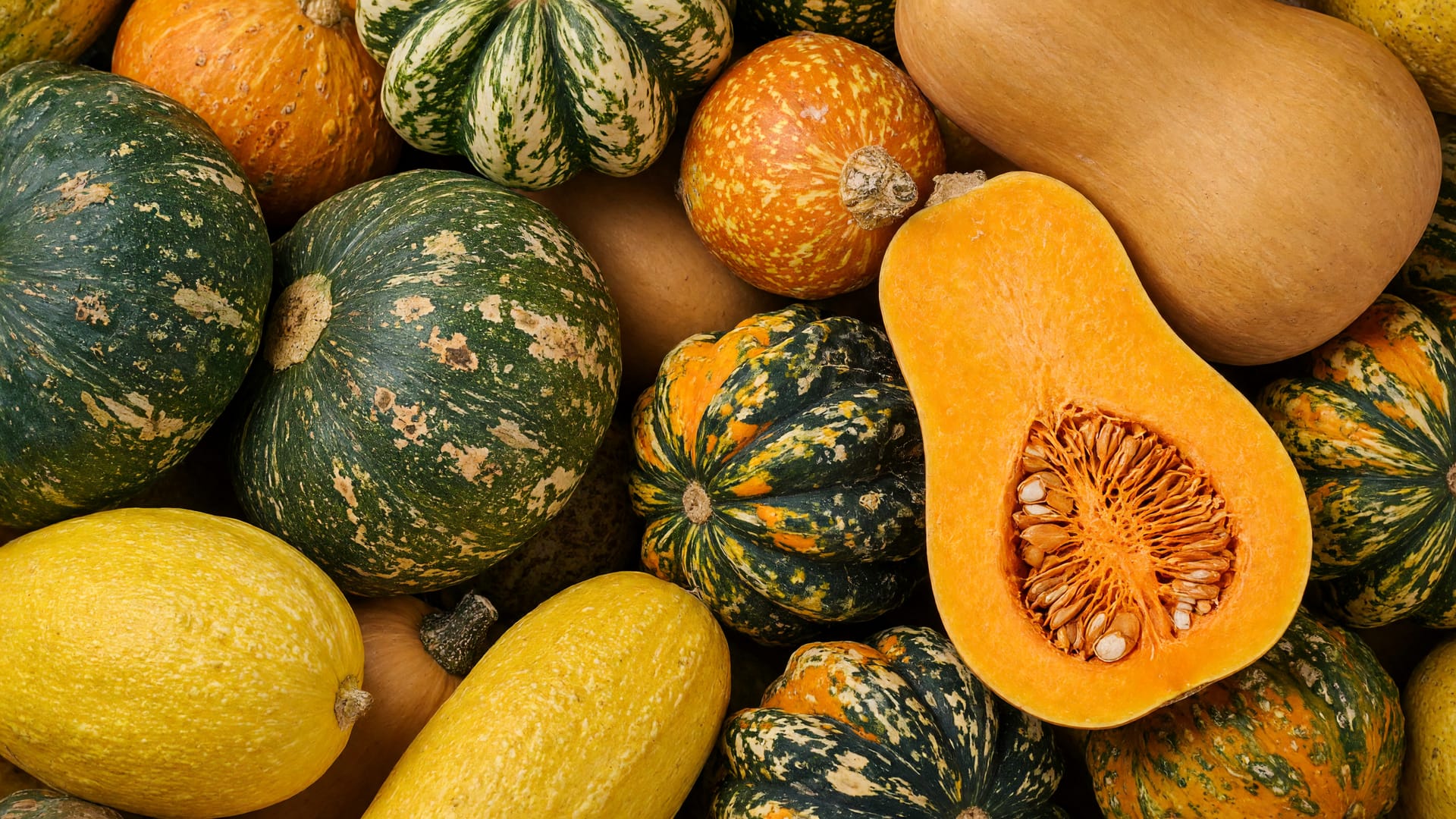
Squash — The Ancient American Crop in All Its Extraordinary Diversity
Squash, domesticated over 10,000 years ago in the Americas, encompasses diverse varieties across four species used as both summer and winter crops with deep agricultural and cultural significance.
 Farm Products
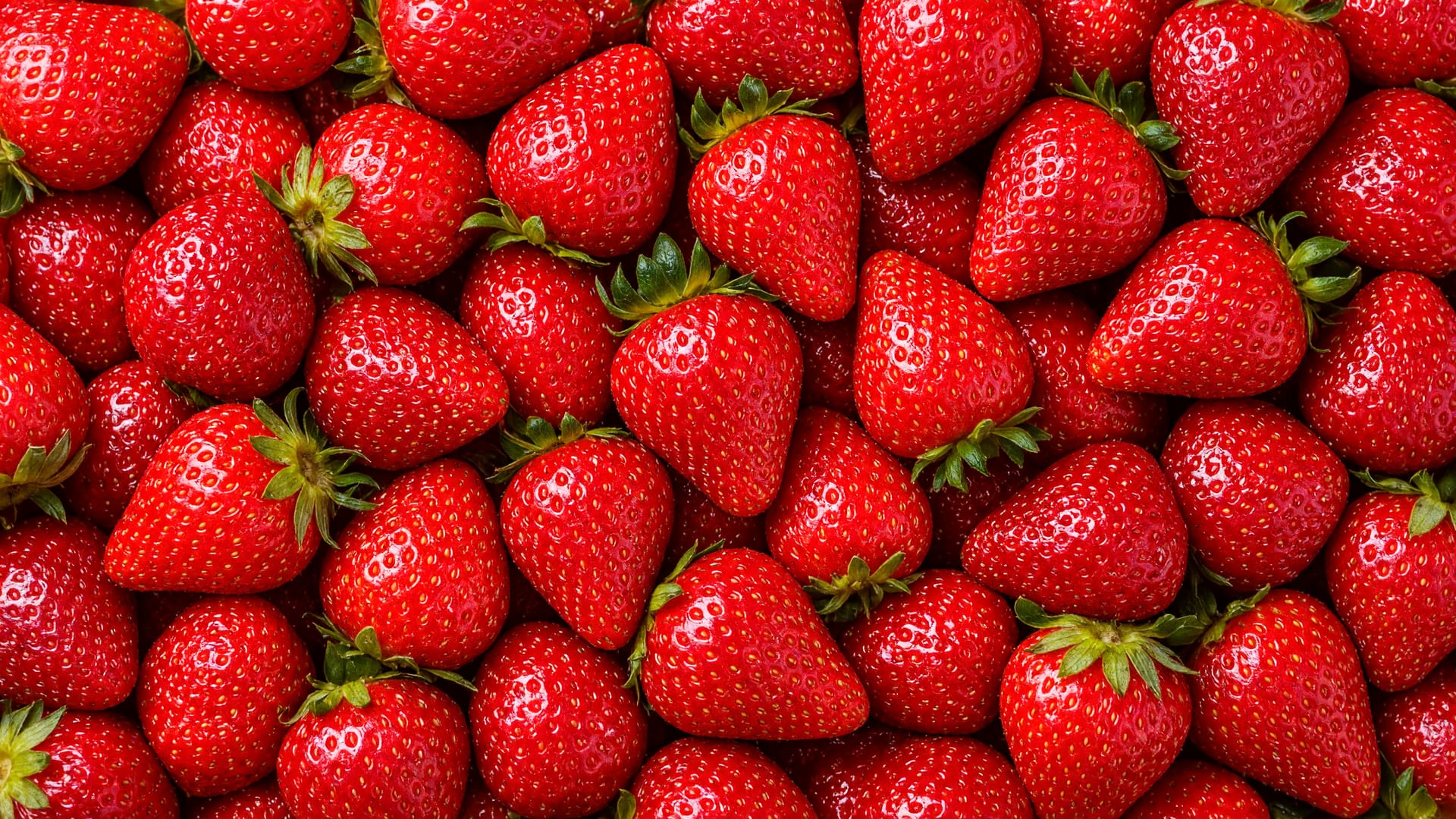
Strawberries — Why the Ones at the Farmers Market Are Worth Seeking Out
Modern strawberries descend from an eighteenth-century French hybrid combining two American species, with farmers market varieties prioritizing flavor over the shipping durability of supermarket berries.
 Farm Products
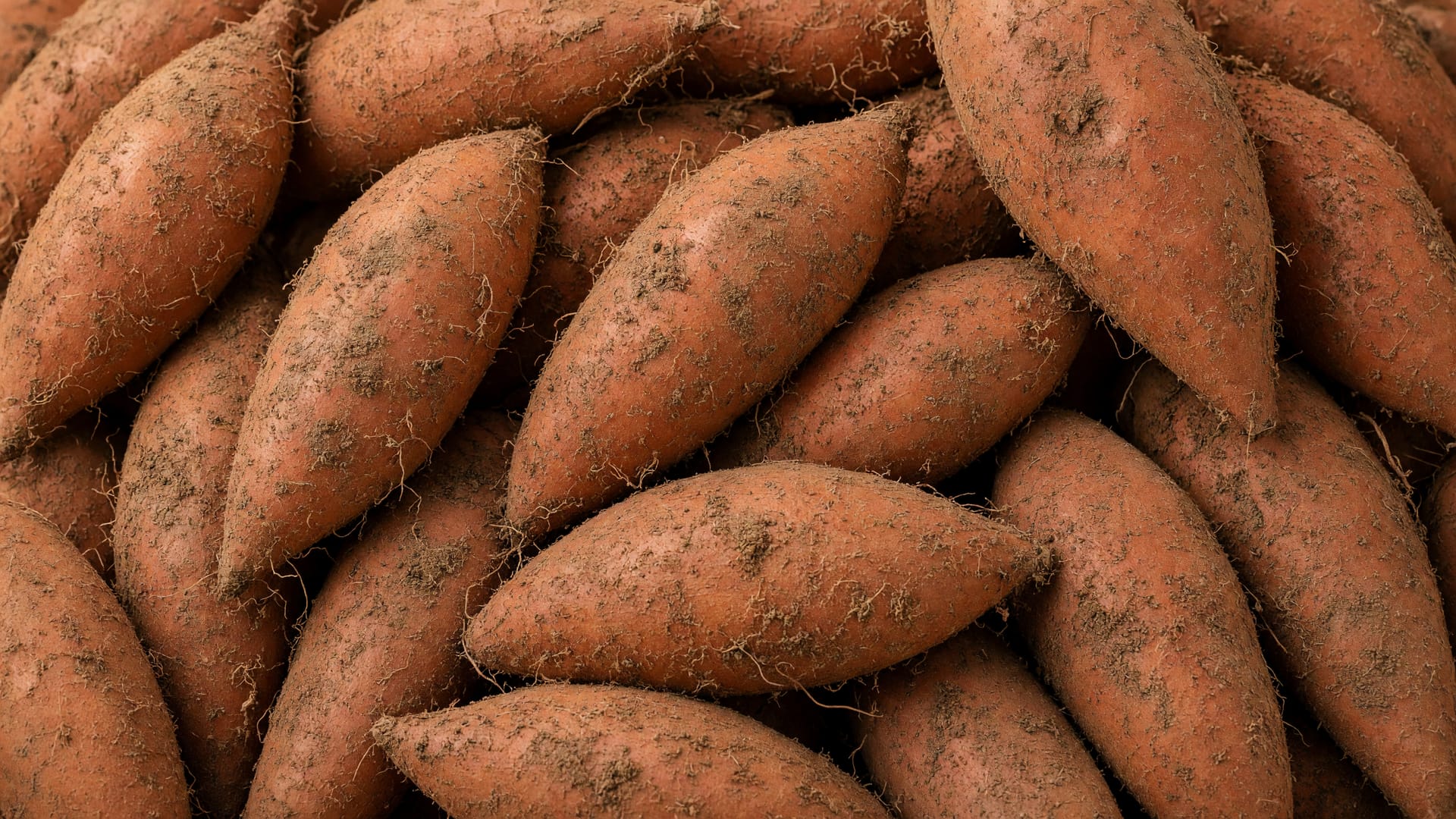
Sweet Potatoes — The American Root Vegetable With an Ancient History
Sweet potatoes, cultivated for over 5,000 years starting in Peru, spread mysteriously across the Pacific before European contact and remain widely misidentified as yams in American grocery stores despite being botanically distinct vegetables.
 Farm Products
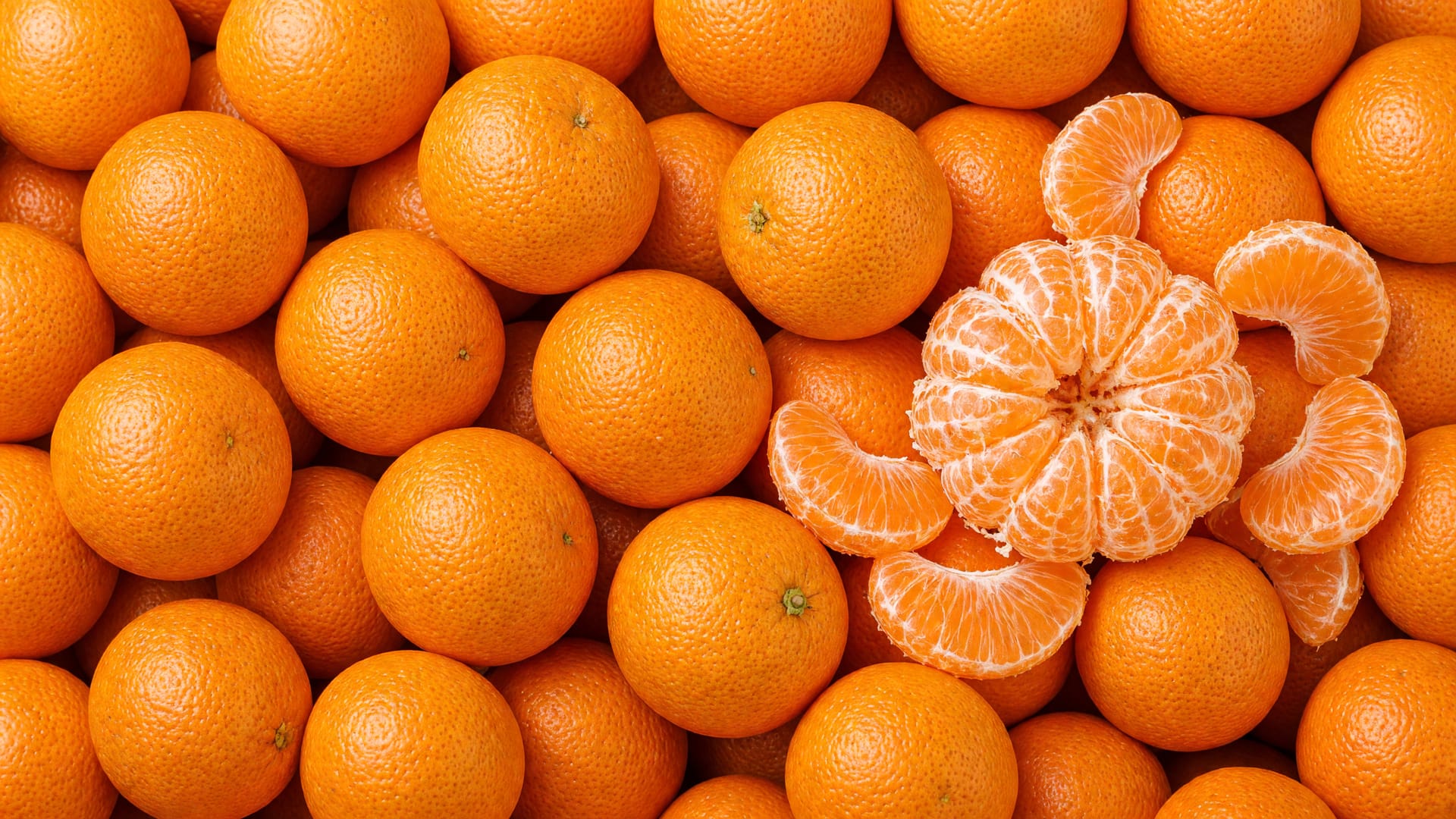
Tangelo, Tangerine, and Clementine — Navigating the Small Citrus Family
This guide explains the differences between mandarins, tangerines, clementines, satsumas, and tangelos, covering their origins, flavor profiles, seasonal availability, and how to identify each small citrus variety in stores.
 Farm Products
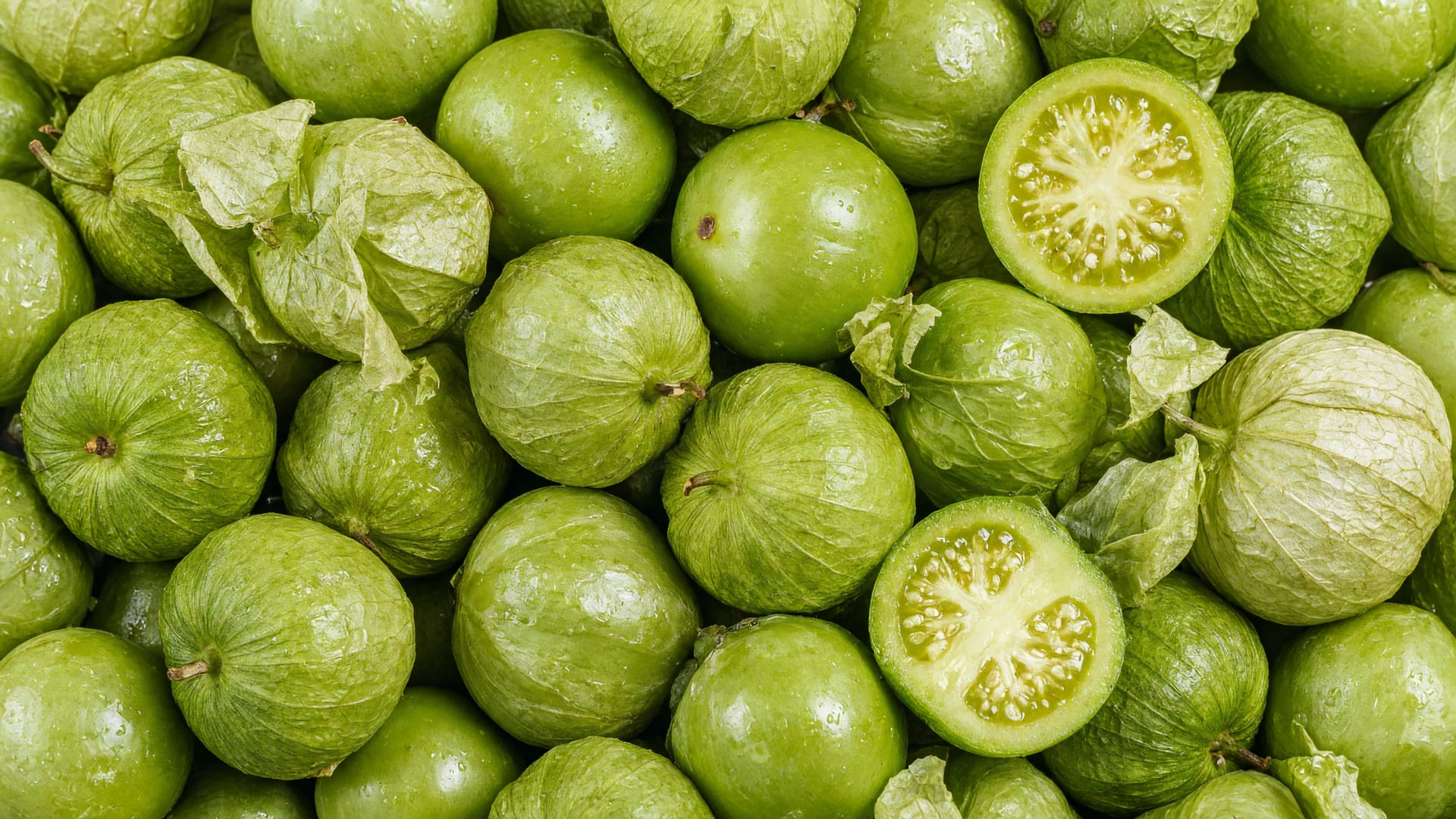
Tomatillos — The Essential Mexican Vegetable Worth Growing and Cooking
Tomatillos are tart, green fruits native to Mexico, botanically distinct from tomatoes, essential in traditional Mexican cuisine like salsa verde, and relatively easy to grow at home.
 Farm Products
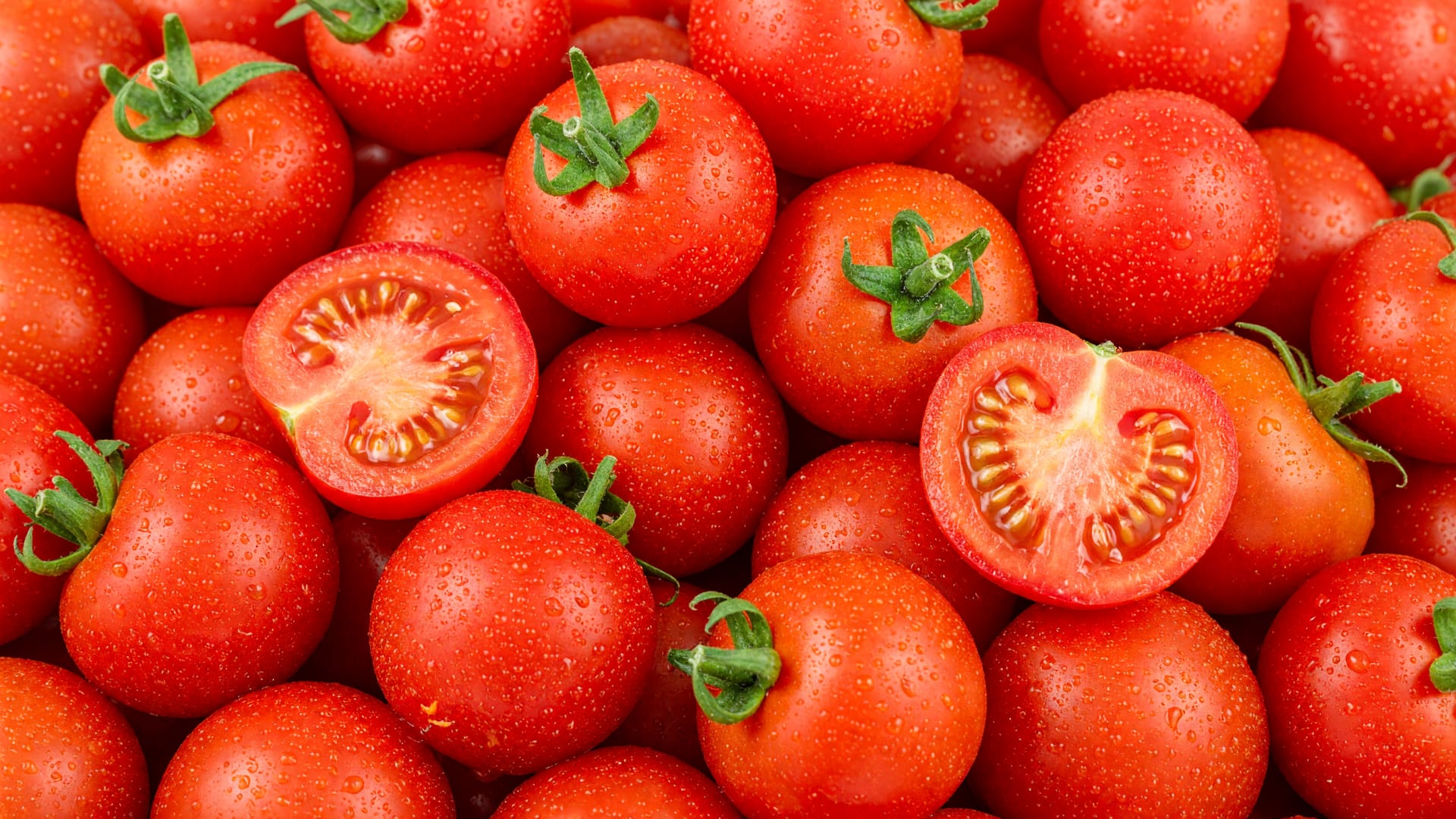
Tomatoes — The Greatest Summer Vegetable and Its Infinite Variety
This article explores tomatoes' journey from Andean origins through European skepticism to culinary staple, examining heirloom varieties like Brandywine and Cherokee Purple, their botanical classifications, and practical growing considerations for different uses.
 Farm Products
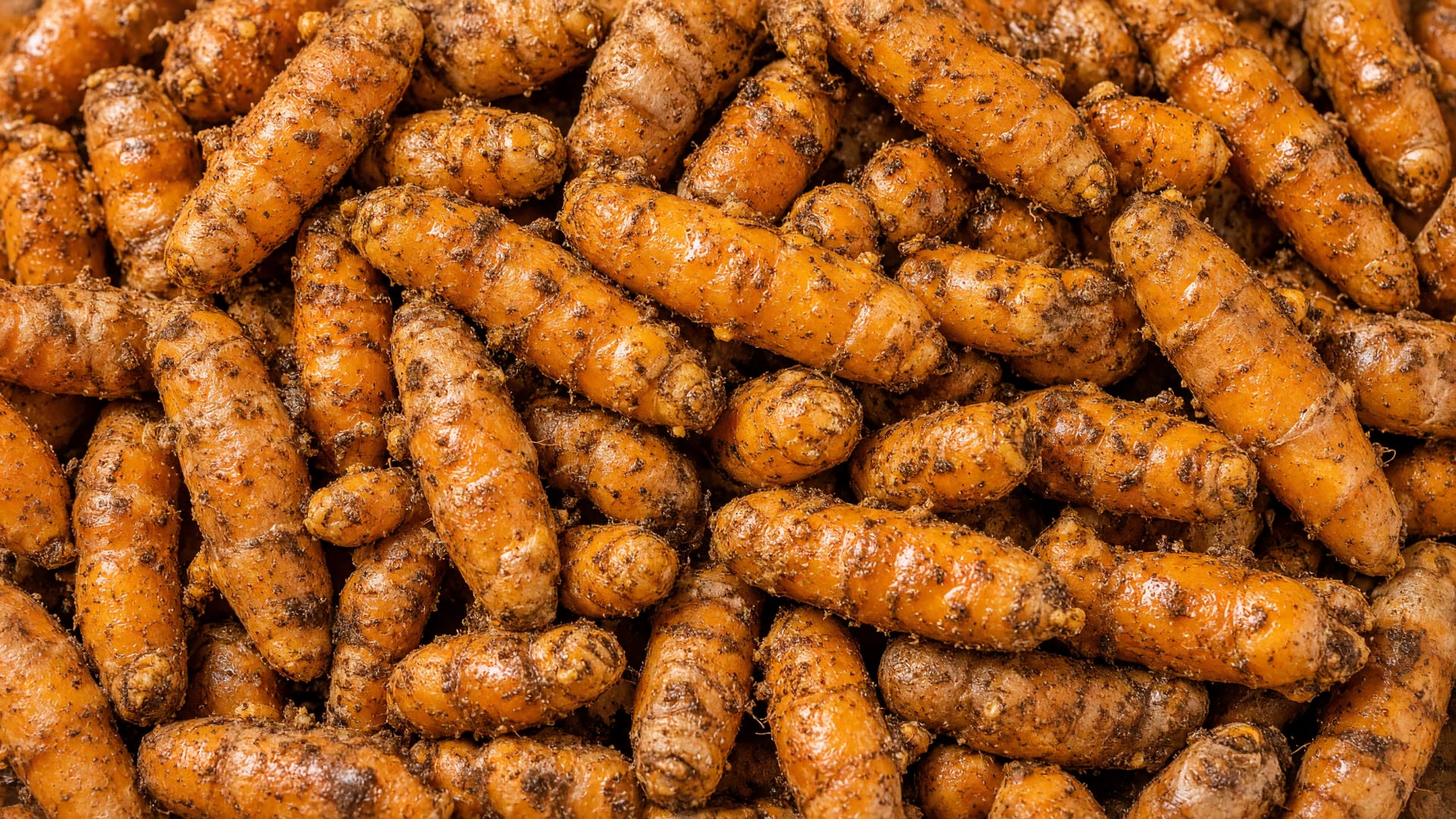
Turmeric — The Golden Root Behind One of the World's Most Studied Spices
Turmeric, a tropical spice with ancient roots in South Asian medicine and cuisine, differs dramatically between fresh and dried forms while curcumin research reveals both promise and absorption challenges.
 Farm Products
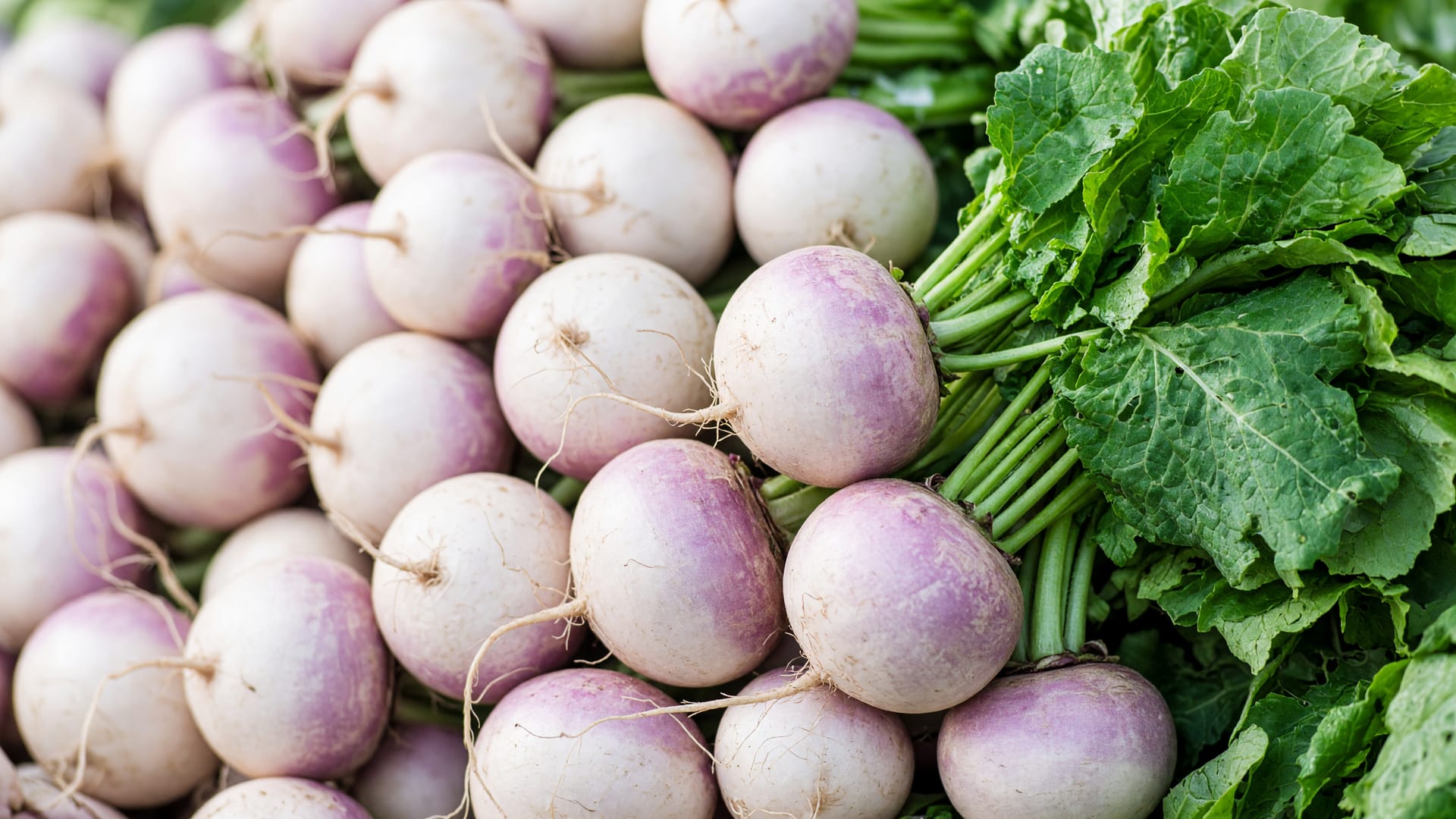
Turnips — The Overlooked Root Vegetable With a Surprisingly Rich History
Turnips evolved from ancient staple crops to overlooked vegetables after potatoes arrived, but Japanese salad varieties like Hakurei are now reviving their culinary reputation and popularity.
 Farm Products
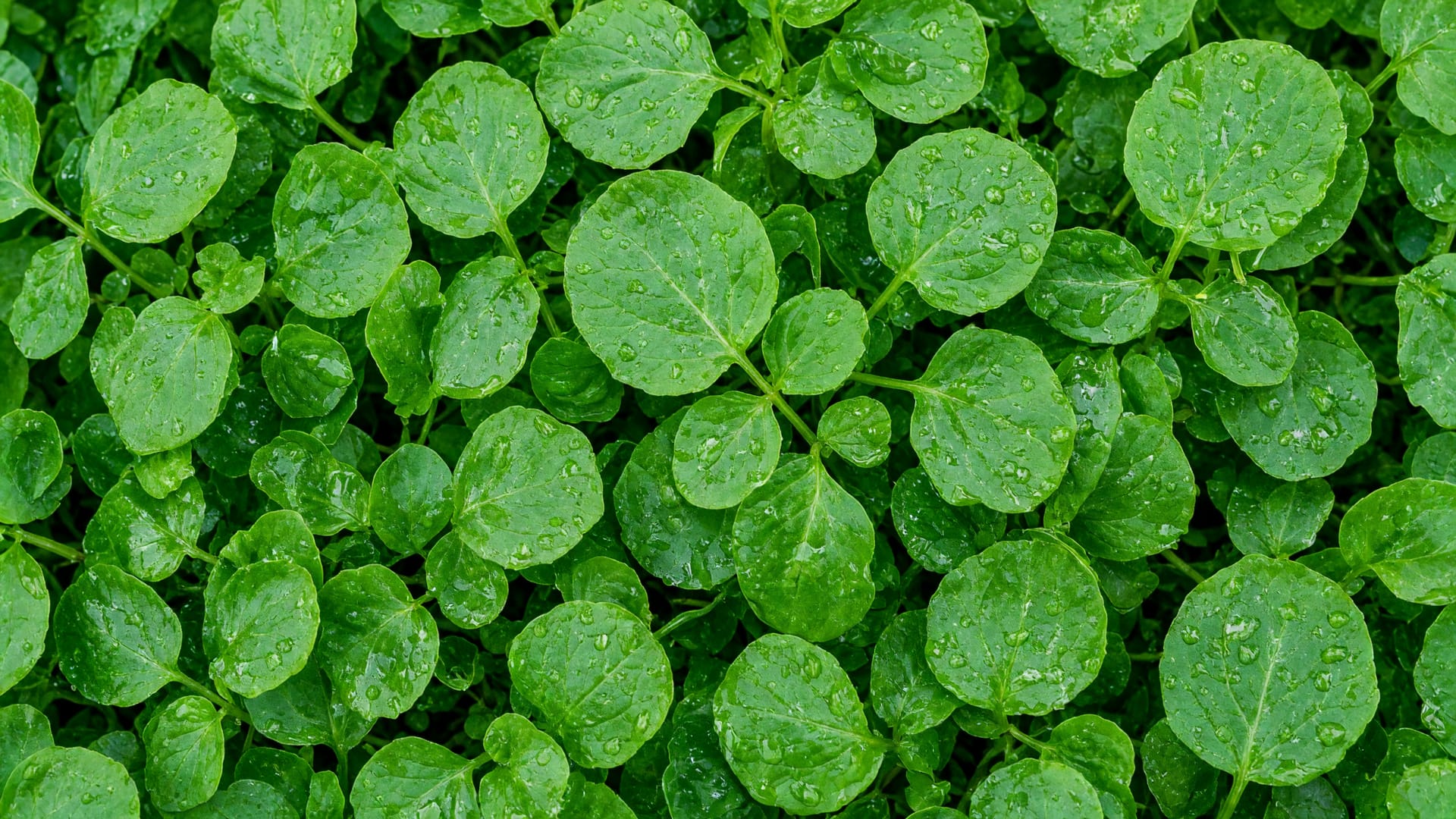
Watercress — The Peppery Aquatic Green Worth Seeking Out
Watercress is a nutrient-rich aquatic green with deep cultural roots in Britain and worldwide, requiring specialized flowing-water cultivation and offering distinctive peppery flavor for culinary applications.
 Farm Products
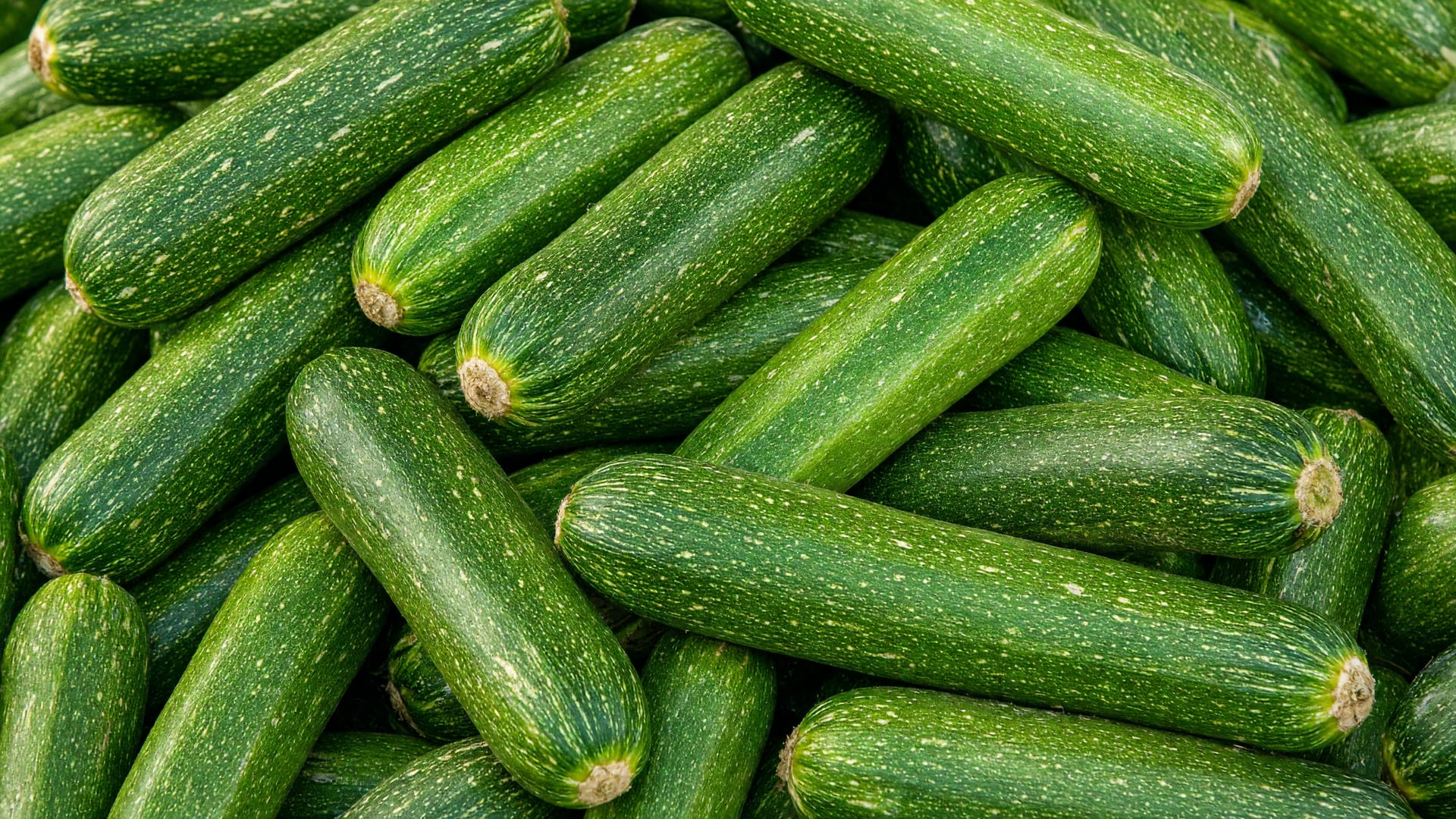
Zucchini — The Most Prolific Garden Vegetable and What to Do With Too Much of It
Zucchini, developed in 19th-century Italy from Mesoamerican squash, has become a beloved yet overabundant American garden staple, inspiring countless recipes and creative uses for its prolific summer harvests.
Your Local Farm-Fresh Food Roadmap
Discover the right-for-you farm resources in your own back yard
Not everyone shops local food the same way - and not every farm is right for every person.
Answer 7 quick questions and we'll build you a personalized roadmap: matched farms near you, the right type of buying option for how you live, and seasonal updates from the farms you follow.